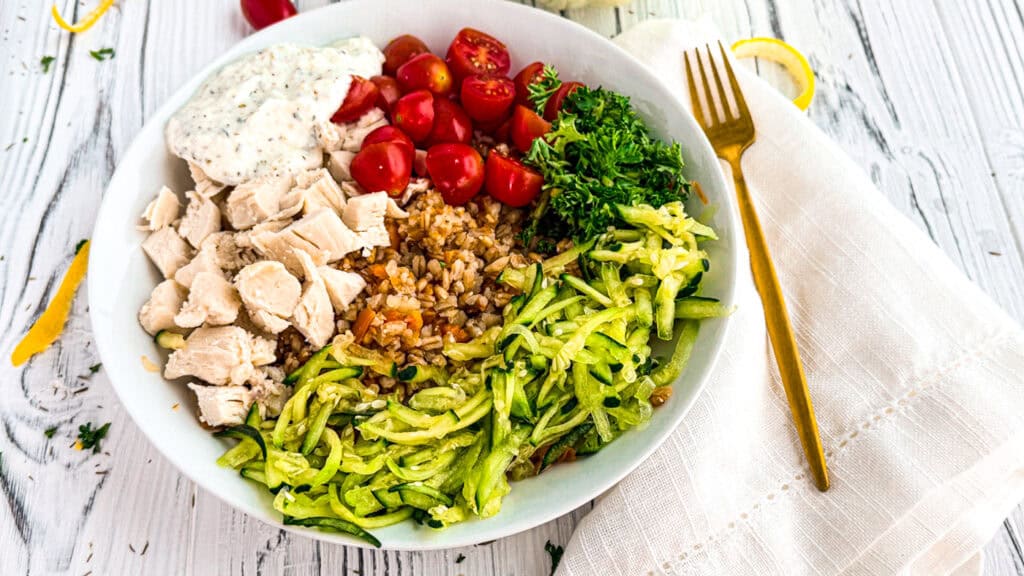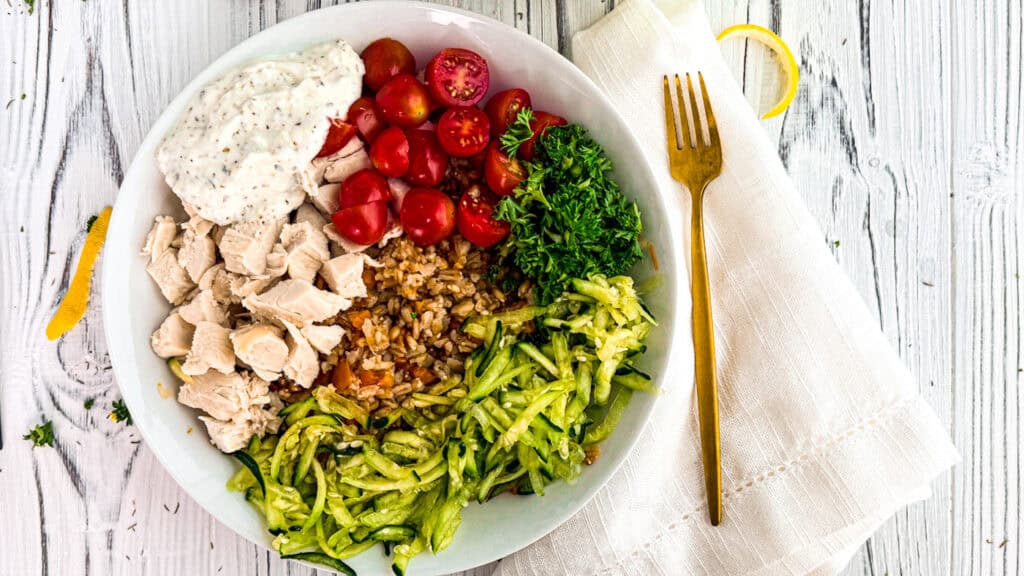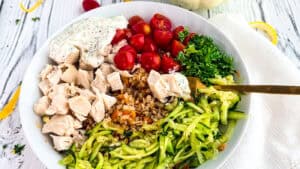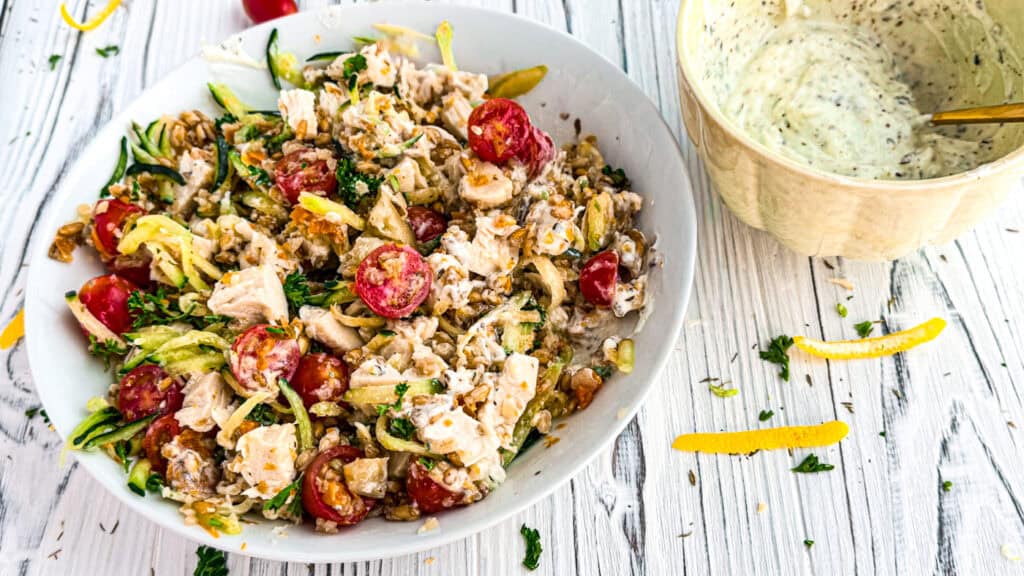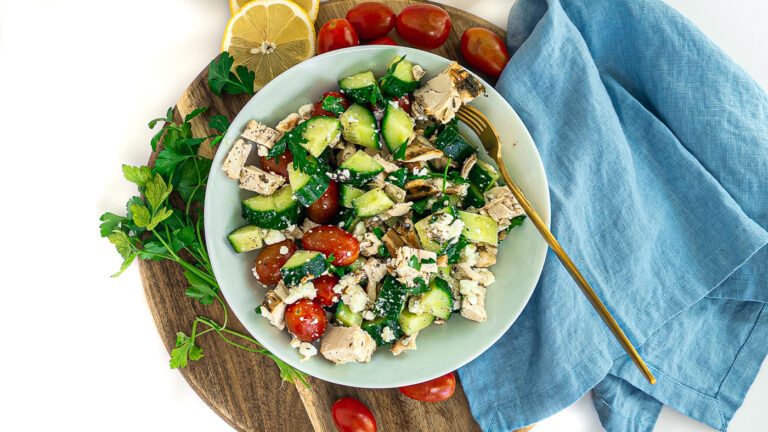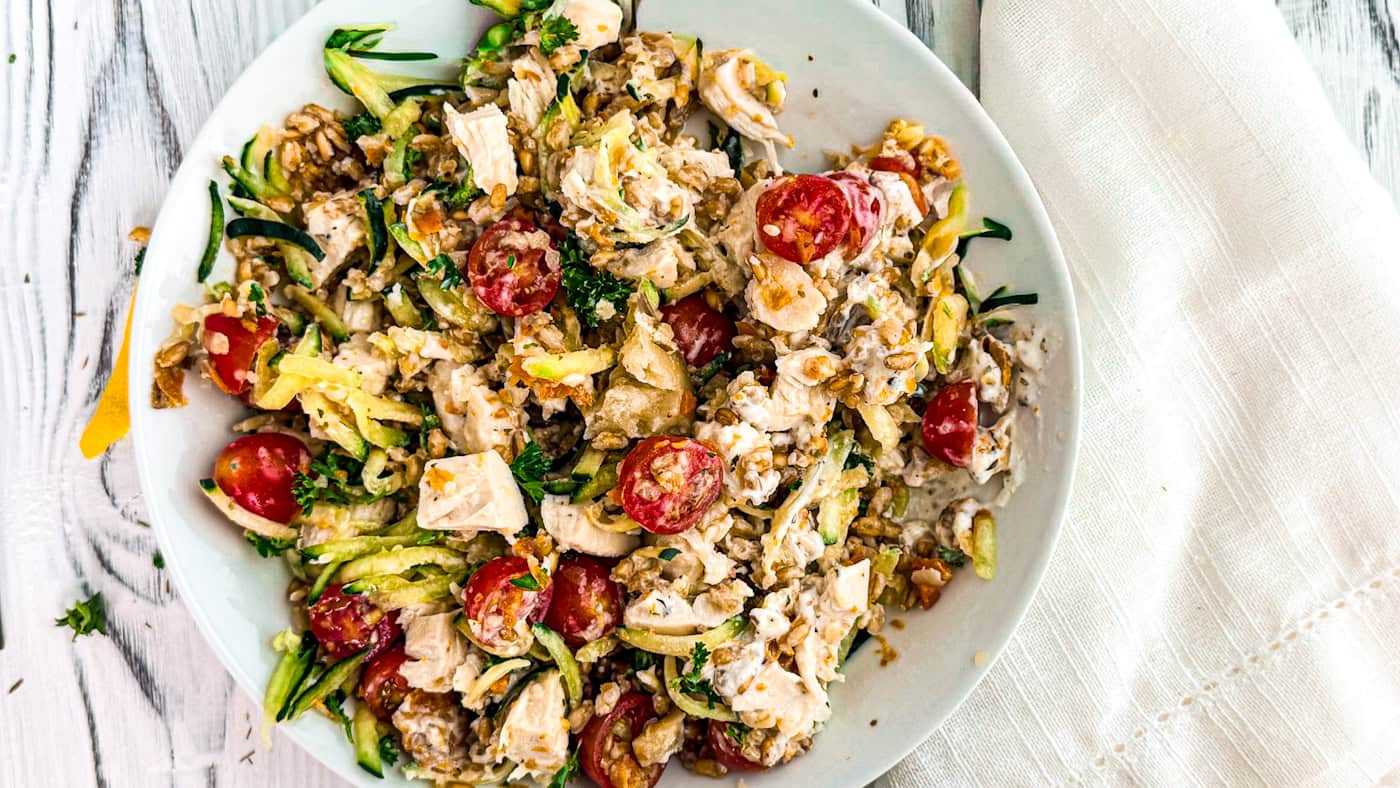
This GLP-1 Friendly Mediterranean chicken bowl is what I wish eating well always felt like: bright, filling, and genuinely nourishing, without demanding much from you. It’s built around real protein, a sturdy ancient grain, and a Greek yogurt dressing that makes everything taste like you put in more effort than you actually did. On days when your appetite is playing hide-and-seek (thanks, GLP-1), start with a half-bowl : just a scoop of farro, some chicken, a big spoonful of dressing, and whatever veggies you have. If you’re eating with intention right now, this is the kind of recipe you’ll find yourself coming back to, especially when nothing else sounds good.
The bowl that makes eating well feel like a reward, not a compromise.
What’s in this Article
- GLP-1 Friendly Mediterranean Chicken Bowl Ingredients
- Substitutions for the GLP-1 Friendly Mediterranean Chicken Bowl
- How to Choose the Best Ingredients for the GLP-1 Friendly Mediterranean Chicken Bowl
- How to Make the GLP-1 Friendly Mediterranean Chicken Bowl
- Expert Tips for the Best lemon herb chicken grain bowl
- Storage Tips for the GLP-1 Friendly Mediterranean Chicken Bowl
- Frequently Asked Questions
Picture this: a big bowl piled high with tender, shredded chicken, warm, nutty farro, crisp greens, and cherry tomatoes that actually taste like tomatoes. Then you hit it with a generous drizzle of Greek yogurt dressing, the kind that makes you pause mid-bite and wonder why you ever let bottled ranch into your fridge. It’s lemony, herby, and just rich enough to feel like a treat, but light enough that you won’t be side-eyeing your stomach later.
This is Mediterranean cooking at its most forgiving. Every ingredient earns its spot, and every bite actually tastes like something you want to eat. It comes together in under half an hour, looks good enough for company, and somehow still tastes fresh after a few days in the fridge.
Whether you’re making it for a quiet lunch or batch-prepping for the week ahead, this lemon herb chicken bowl has a sneaky way of becoming the thing you reach for again and again. I can’t tell you how many times I’ve opened the fridge, hoping for inspiration, and ended up grateful this was waiting for me.
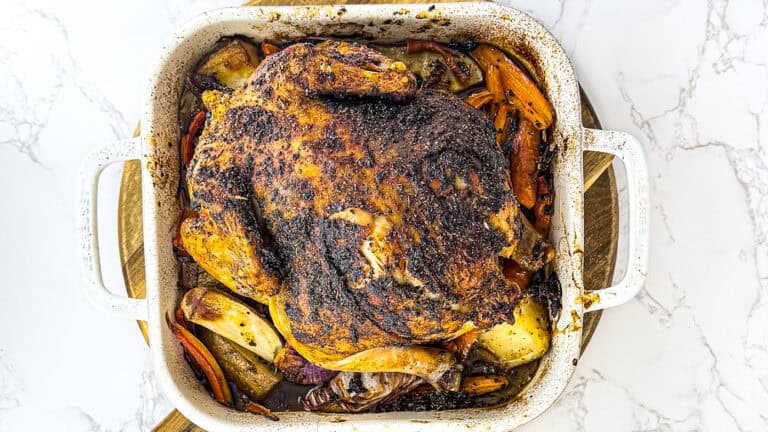
If you’re looking to meal prep for the week, this recipe works perfectly with my Sumac Rubbed Roast Chicken recipe I posted last week. Or, if you’d prefer using chicken breast, try this with my Lemon Herb Chicken. And, if you don’t like yogurt-based dressings, you can try my Zesty Mediterranean Chicken Salad, and add farro to it. If you’re just not feeling like chicken this week, try my Zesty Mediterranean Burger with Steak Fries.
Why You’ll Love this Recipe
- High in protein. The shredded chicken thighs and Greek yogurt deliver a satisfying amount of protein in every serving.
- Genuinely satisfying in smaller portions. Farro is dense and fiber-rich. A modest serving goes a long way.
- Ready in under 30 minutes. Easy to assemble with minimal cooking time.
- Flexible. Works warm or cold, with easy swaps if you’re missing an ingredient.
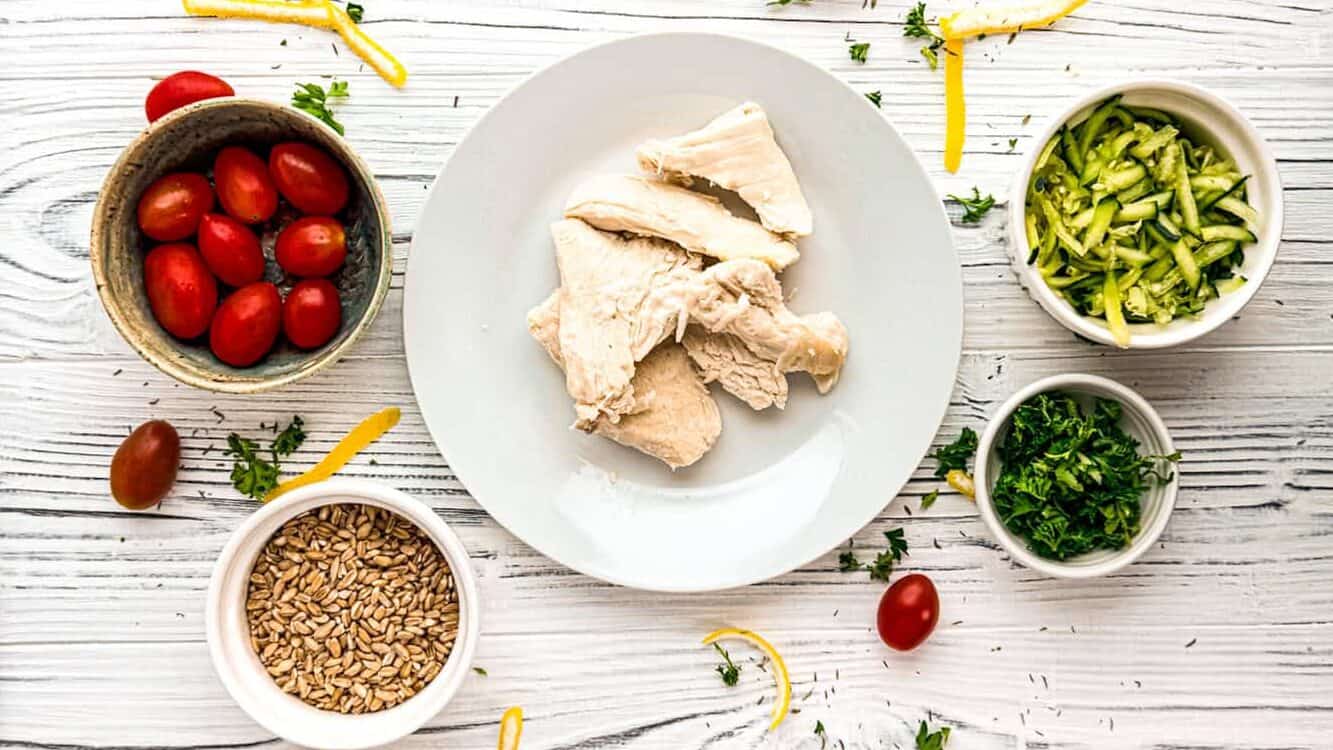
Why This Works: The GLP-1 Lens
This bowl came out of my own need to make every bite count, especially on those days when eating feels like a chore, and the idea of cooking is just too much.
- Protein comes first here: Chicken thighs bring more flavor and a little extra richness, so even a small portion feels like a real meal. The Greek yogurt in the dressing quietly boosts the protein while keeping things light.
- Fiber that supports fullness: Farro is an ancient grain with significantly more fiber than white rice or pasta. Fiber slows digestion, which complements the way GLP-1 medications already work in your body. You get a longer window of satiety from a smaller volume of food.
- Hydrating ingredients: Cucumber and cherry tomatoes have high water content, which helps with hydration.
- Gentle on the stomach: No heavy fats, nothing spicy, and nothing that’s likely to set off your GI alarm bells. The flavors are bright and herby, which is a relief when nausea is lurking nearby. If your stomach is feeling iffy, skip the raw veggies and stick to the grains, chicken, and yogurt dressing. Plain, unseasoned chicken, and leaving off the herbs makes it even milder. Adjust as you need. Your bowl, your rules. I’ve had plenty of days where I needed to keep things extra simple, and this bowl always adapts.

GLP-1 Friendly Mediterranean Chicken Bowl
Ingredients
For the Bowl
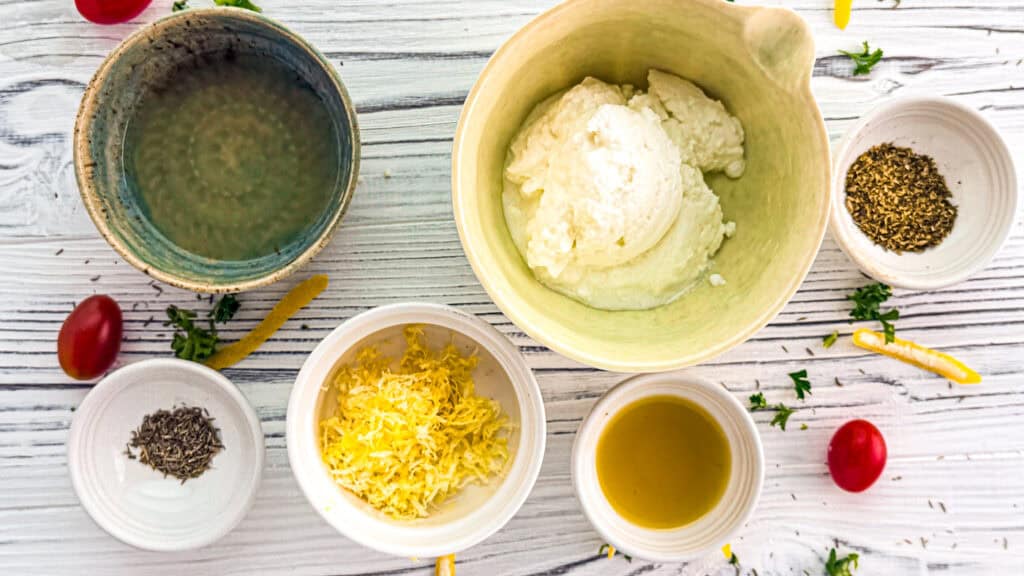
- 6 ounces chicken thighs shredded, cooked`
- 1 cups farro cooked
- 1 cup cucumber chopped
- 1/2 cup cherry tomatoes
- 1/2 cup parsley fresh, chopped
For the Dressing
- 2 tbsp olive oil extra virgin
- 1 lemon zested, juiced
- 1 tsp garlic powder
- 1 tsp thyme dried
- 1 tsp Greek oregano
- 1/2 cup Greek yogurt plain
Instructions
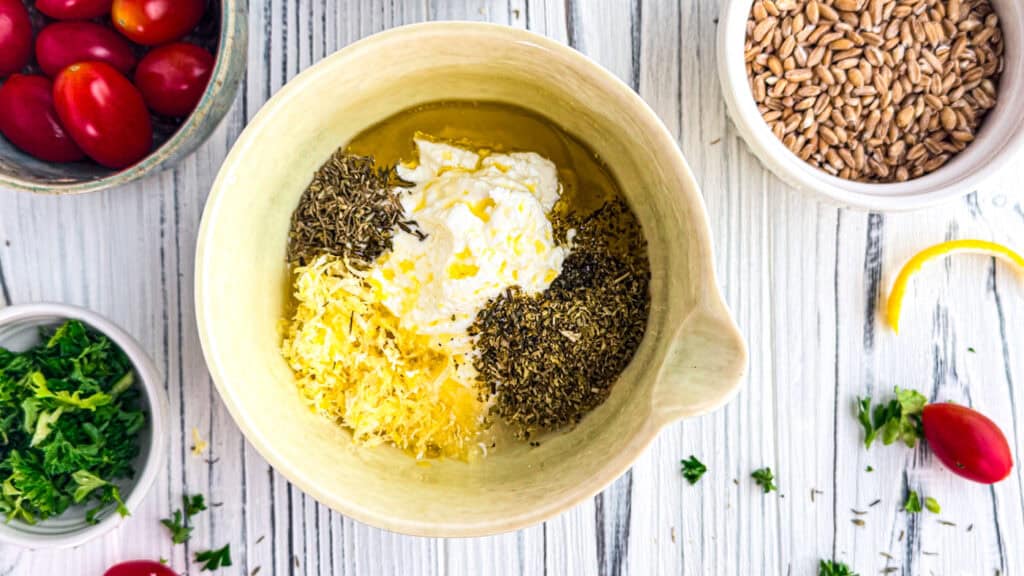
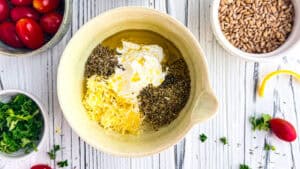
- In a bowl, whisk together the 2 tbsp olive oil, 1 lemon, 1 tsp garlic powder, 1 tsp thyme, 1 tsp Greek oregano, 1/2 cup Greek yogurt. Set in refrigerator to cool.
- Cook 1 cups farro according to the instructions on the bag/box. Let cool slightly, and separate into two bowls.
- In a medium mixing bowl, add 1 cup cucumber, 1/2 cup cherry tomatoes, 1/2 cup parsley, and 6 ounces chicken thighs, shredded. Pour the Greek yogurt dressing over, and mix gently. Spoon salad over farro in bowl. Enjoy!
Nutrition

GLP-1 Friendly Mediterranean Chicken Bowl Ingredients
This is my go-to Mediterranean grain bowl, the kind of meal that feels like it took effort, even though it really didn’t. It’s all about that balance: hearty grains, plenty of protein, and just enough brightness to keep things interesting.
- Chicken thighs are the star here. They’re forgiving, juicy, and don’t dry out, even if you forget about them in the fridge and end up eating them cold the next day (which, let’s be honest, happens more often than I’d like to admit).
- Farro is what gives this bowl its satisfying chew. It’s nutty, sturdy, and doesn’t turn to mush under a generous pour of dressing. Basically, it’s the grain that refuses to get soggy, no matter how long it sits.
- Cucumber brings the crunch and a little burst of freshness, like a palate cleanser between bites of everything else.
- Parsley isn’t just for show. Its slight bitterness keeps the yogurt and olive oil from feeling too heavy, and suddenly you’re eating something that tastes bright instead of bogged down.
- Cherry Tomatoes: Add sweetness and acidity, brightening the bowl.
- Greek yogurt is the creamy base that ties it all together. It’s tangy, it helps the spices cling to every bite, and it makes the whole bowl feel a little more special.
- A drizzle of olive oil smooths everything out and lets the herbs do their thing. It’s the finishing touch that makes you feel like you know what you’re doing.
- Lemon juice sharpens all the flavors, and a little zest gives you that citrusy aroma without watering things down. It’s the secret to making the whole bowl taste fresh.
- Garlic powder and Greek oregano are my go-to seasonings here. Oregano brings a little earthiness, garlic powder gives that savory punch, and together they make everything taste like you put in more effort than you actually did.
- Thyme: Adds a subtle, lemony, minty layer. Use it if available to increase dressing complexity.

Substitutions for the GLP-1 Friendly Mediterranean Chicken Bowl
- Chicken Thighs: Rotisserie chicken is your friend here; it makes prep almost effortless. Chicken breast works too if you want it leaner, just keep an eye on it so it doesn’t dry out.
- Farro: Quinoa is the closest swap and keeps the dish gluten-free. Bulgur wheat and barley both work well, too. If you need a lower-carbohydrate option, cauliflower rice is a neutral base that absorbs the dressing well, just know the texture will be softer.
- Cucumber: Thinly sliced celery or radish gives you a similar crunch. Zucchini, lightly salted and pressed, is a softer option if you prefer.
- Cherry Tomatoes: Sun-dried tomatoes (packed in olive oil, drained) give you a more intense, sweeter flavor. Roasted red peppers are another excellent swap if you want something softer and smokier.
- Fresh Parsley: Fresh dill or basil both work well. Dried herbs can fill in if necessary, but use one-third the amount; dried herbs are more concentrated and can easily overwhelm a fresh dish.
- Greek Yogurt: Full-fat coconut yogurt works for a dairy-free version, though the flavor will be milder. Labneh (strained yogurt cheese) makes a thicker, richer dressing if you want something even more decadent.
- Lemon: Lime works for a slightly different flavor profile. Bottled lemon juice is a convenient swap, but it won’t deliver the same brightness, and you’ll lose the zest entirely.
- Olive Oil: Avocado oil is a neutral alternative if you prefer a milder flavor.
- Garlic Powder, Thyme, & Oregano: If you have fresh garlic, use one small clove finely grated or pressed. Italian oregano can stand in for Greek oregano in a pinch.
How to Choose the Best Ingredients for the GLP-1 Friendly Mediterranean Chicken Bowl
- Chicken Thighs: Look for bone-in, skin-on thighs if you’re roasting your own; they stay juicier. If you’re buying pre-cooked or rotisserie, choose one without added sugars or heavy seasoning so the Greek yogurt dressing stays the star.
- Farro: Look for pearled or semi-pearled farro, which cooks in 20 to 30 minutes. Whole farro is more nutritious but takes closer to 40 minutes to cook. Bob’s Red Mill and Trader Joe’s both carry reliable options.
- Cucumber: Persian cucumbers or English cucumbers are your best choices here. They have thinner skins, fewer seeds, and a sweeter flavor than standard cucumbers. Skip the wax-coated grocery store variety if you can.
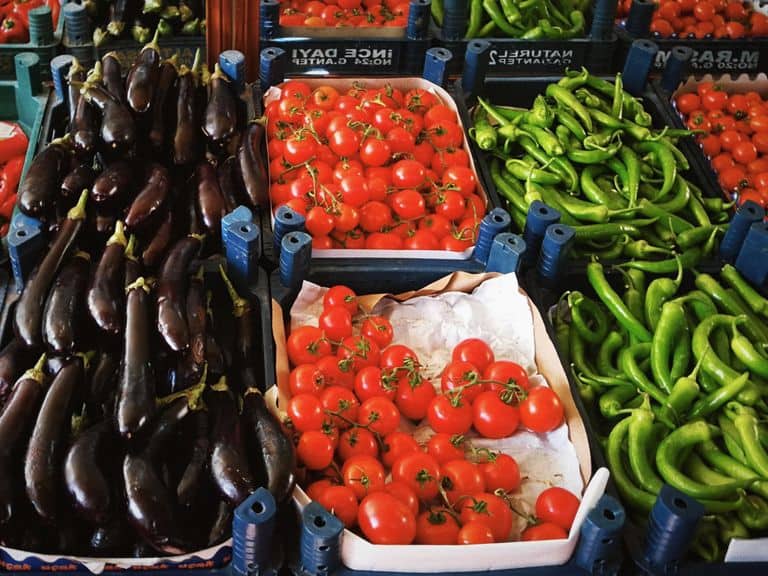
- Cherry Tomatoes: Buy on the vine if possible; they’ll have more flavor than loose pre-packaged ones. Multicolored cherry tomatoes are worth it here just for the visual payoff.
- Fresh Parsley: Look for bunches with bright green, perky leaves and no yellowing or limpness. Wrap them in a damp paper towel and refrigerate them to keep them fresh for up to 5 days.
- Greek Yogurt: Use full-fat or 2% Greek yogurt. Nonfat Greek yogurt tends to be thinner and can make the dressing watery. Fage, Chobani Plain, and Stonyfield Organic are consistently thick and reliable. Always check that the only ingredients are milk and live cultures, no added thickeners or starches.
- Lemon: Look for olive oil in a dark bottle with a harvest date (not just a best-by date). A harvest date within the last 12 to 18 months is ideal. California Olive Ranch and Brightland are two widely available, quality options.
- Olive Oil: Avocado oil is a neutral alternative if you prefer a milder flavor.
- Garlic Powder, Thyme, & Oregano: If your dried herbs have been sitting in the pantry for more than a year, they’re likely past their peak flavor. Rub a small amount between your fingers; if the scent is faint, it’s time to replace them.
How to Make the GLP-1 Friendly Mediterranean Chicken Bowl
- In a bowl, whisk together Greek yogurt, olive oil, lemon zest, lemon juice, garlic, oregano, thyme, salt, and pepper. Set aside.
- Assemble bowls with grains, vegetables, herbs, and sliced chicken.
- Finish with a drizzle of the Greek yogurt dressing.

Expert Tips for the Best lemon herb chicken grain bowl
- Cook your farro in broth, not water. This single step transforms a mild grain into something deeply flavorful. Use chicken broth for the savory depth, or vegetable broth if you prefer. Season the farro with a pinch of salt while it’s still hot so it absorbs flavor as it cools.
- Make the dressing first. Give the dressing at least 10 minutes to rest before you use it. The garlic, oregano, and thyme need a few minutes to bloom in the yogurt and oil. If you can make it the night before, even better, the flavor intensifies overnight.
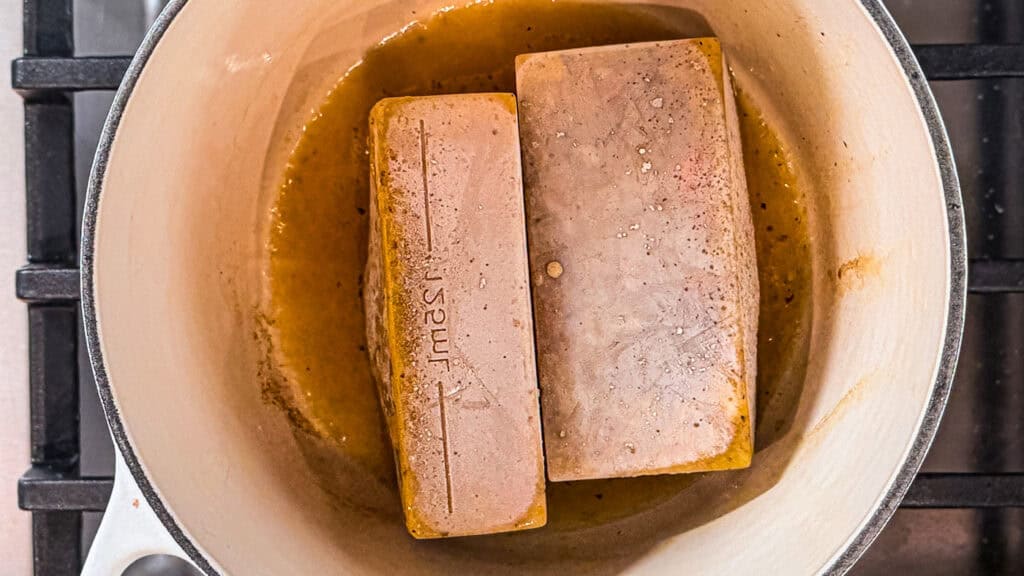
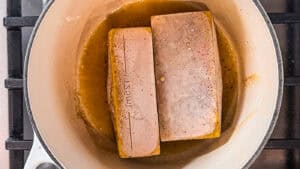
- Shred the chicken while it’s warm. Cold chicken shreds unevenly and can be tough to pull apart. Use two forks or your hands (with food-safe gloves if needed) right after cooking. Season lightly with salt and a small squeeze of lemon while it’s still warm so the flavor goes all the way through.
- Use a rotisserie chicken when you need to save time. This is not cheating, it’s a strategy. A good rotisserie chicken shreds beautifully, cutting your active prep time to under 10 minutes. Remove the skin before shredding, and you’re ready to assemble.
- Don’t overdress the bowl at assembly. Start with half the dressing and taste before adding more. A common mistake is drowning a fresh bowl in dressing; the flavors here are clean and bright, and you want to taste them all. Serve extra dressing on the side.
- Add the herbs last. Fresh parsley and mint should go on at the very end, right before serving. Adding them too early causes them to wilt and lose brightness, affecting both flavor and visual appeal.
- Season at every layer. Season your farro while warm. Season your chicken after shredding. Taste the dressing before using it. Small pinches of salt at each stage build a bowl that tastes fully developed, not flat.
Storage Tips for the GLP-1 Friendly Mediterranean Chicken Bowl
- Dressing: Store separately in a sealed jar or container in the refrigerator for up to 5 days. Give it a good stir or shake before using; the olive oil may separate, which is completely normal.
- Assembled bowl components: Store each element separately if possible, farro, chicken, and vegetables in individual containers. This keeps the cucumber and tomatoes from getting watery and the farro from absorbing all the dressing overnight.
- Assembled bowls (meal prep): If you’re pre-assembling for the week, keep the dressing and fresh herbs separate until you’re ready to eat. Everything else can be layered in advance and will hold well for up to 4 days.
- Chicken: Shredded chicken thighs keep beautifully in the fridge for 4 days. Store in a container with a small splash of broth or olive oil to prevent drying. For food safety, only reheat the amount you plan to eat at one time, and avoid reheating the same chicken more than once. Make sure to heat the chicken until it is steaming hot throughout before serving to reduce the risk of foodborne illness.
- Farro: Cooked farro stores well in the fridge for up to 5 days or in the freezer for up to 3 months. Reheat with a splash of water or broth to restore the texture.
- Cucumber and tomatoes: These are best eaten fresh. If you’re meal prepping, add them to each bowl the day you plan to eat it rather than storing them assembled.
- Do not freeze the assembled bowl. The yogurt-based dressing breaks when frozen, and the vegetables lose their texture. Freeze the chicken and farro separately if you need longer storage.

Frequently Asked Questions
This bowl was designed with those needs in mind. It’s high in protein, rich in fiber, easy to portion, and gentle enough to eat even on days when your appetite is lower than usual. That said, nutrition needs vary from person to person, and your healthcare provider or a registered dietitian is the best resource for guidance specific to your situation.
The exact amount will vary depending on how much chicken you use and how much dressing you add, but a standard serving of this bowl, with 2 chicken thighs and ½ cup of Greek yogurt dressing, delivers approximately 35-40 grams of protein. This estimate is based on standard ingredient values and may vary. To boost the protein, add extra chicken, toss in a handful of chickpeas, or use more Greek yogurt in the dressing. To lower the protein content, simply use less chicken or opt for a smaller amount of yogurt dressing. You can easily tailor your bowl based on your personal protein needs or appetite each day.
Yes. Chicken breast is leaner and works well here, especially if you prefer a lower-fat option. The key difference is texture: thighs shred into softer, more flavorful pieces, while breast can shred dry if overcooked. Pull the breast meat off the heat as soon as it reaches 165°F and let it rest before shredding.
Farro is an ancient whole grain with a nutty, chewy quality. It has been a staple in Mediterranean cooking for thousands of years. Farro does contain gluten, so it is not suitable for people with celiac disease or gluten intolerance. Quinoa is the most straightforward gluten-free swap and works beautifully in this bowl.
Yes. Swap the Greek yogurt in the dressing for a plain, unsweetened full-fat coconut yogurt or cashew yogurt. The flavor will be milder, so you may want to add a touch more lemon juice and dill to compensate.
Absolutely, this is one of the best aspects of this recipe. The farro, chicken, and dressing all store well for 4 to 5 days. Add the fresh vegetables and herbs to each bowl the day you plan to eat it for the best texture and flavor.
Store the dressing separately. The dressing is the main reason a pre-assembled bowl can become watery, particularly because the yogurt base draws moisture from the vegetables over time. Store everything in separate containers and assemble just before eating.
Yes, with adjustments. Use one-third of the amount called for when substituting any dried herb. Dried dill, oregano, and thyme all work; just know the flavor will be slightly less vibrant than with fresh herbs.

If you make this recipe, I’d love to hear how it turned out on your end. Leave a comment below and let me know.
medical disclaimer
Everything I share at The Lemon Hearth comes from my own experience and research, not from a medical degree. I’m a real person on a GLP-1 journey, not a healthcare provider. What worked for me may not be right for you, and your doctor is always the right first call before changing your diet, supplements, or health routine. I’m here to share the food and the journey. Your doctor is there for the rest.