If you started a GLP-1 and the nausea hit like a surprise guest who overstays their welcome, please know you’re not doing anything wrong. You’re not failing. Chances are, your body just needs something different now, and nobody hands you a manual for that. I’ve been there, four months into Zepbound, living on crackers and plain toast, watching the scale drop but feeling genuinely awful every single day. That’s why I wrote this The Mediterranean Diet for GLP-1 Nausea.
When I started Zepbound fourteen months ago, I was 224 pounds with my sights set on 130. Today, I’m at 170—54 pounds down and still moving forward. It took a lot of trial and error, and more than a few bland meals, to figure out what my body actually needed. But once I found the right food framework, everything about this medication shifted for me.
To give you a real idea of what helped me, here’s what a typical meal day looked like once I got the hang of it: I’d have my Whipped Protein Yogurt Bowl for breakfast, High-Protein Mediterranean Chicken Flatbread Bowl for lunch, and finish the day with Salmon Cucumber Boats. This kind of day kept me satisfied, eased my nausea, and made it easier to look forward to my meals rather than dread them. I hope it does the same for you.
Welcome to part two of my Mediterranean Refresh for GLP-1 Users Guide. If you haven’t already, check out part one: GLP-1 Pantry Essentials: A Mediterranean Kitchen Guide.
Table of contents

When Your Appetite Disappears
GLP-1 medications are experts at turning down your appetite, sometimes so much that you forget what hunger even feels like. At first, it’s a relief. Eating less is the goal, right? Here’s what I learned the hard way: eating less is not the same as eating well. Not even close.
Those first weeks on Zepbound? I was eating tiny portions, but I was also constantly nauseous and wiped out. Most days, I survived on whatever seemed least likely to turn my stomach: crackers, plain toast, anything that didn’t require effort or imagination. The nausea was relentless. Not just after the shot, but every single day, a low, constant hum that made cooking an actual meal feel about as doable as running a marathon in slippers.
I lost 10 pounds that first month, which looked great on paper. But I felt awful. I started to wonder if this was just how things were going to be from now on. Spoiler: it wasn’t. But I had to change what I was eating to find that out. Desperate for something to change, I started to research this Mediterranean Diet for GLP-1 Nausea.
Once I shifted to a Mediterranean way of eating for GLP-1 nausea, everything changed. The daily nausea faded, my energy came back, and I finally felt like myself again. Now, I just have a rough 24 hours after my weekly shot, and I plan for it with foods I know I can handle.
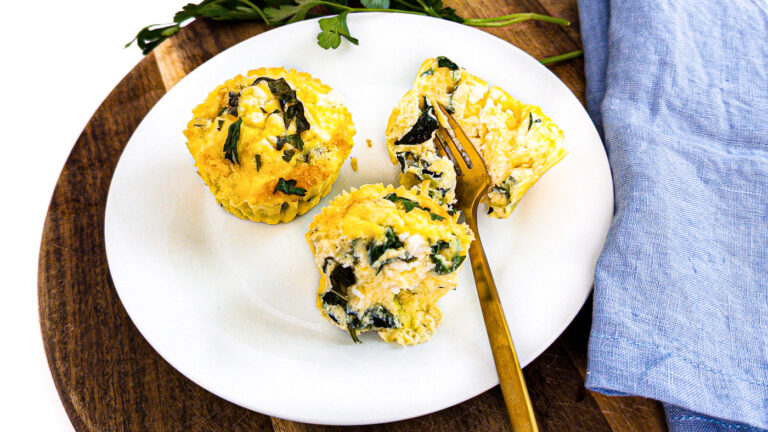
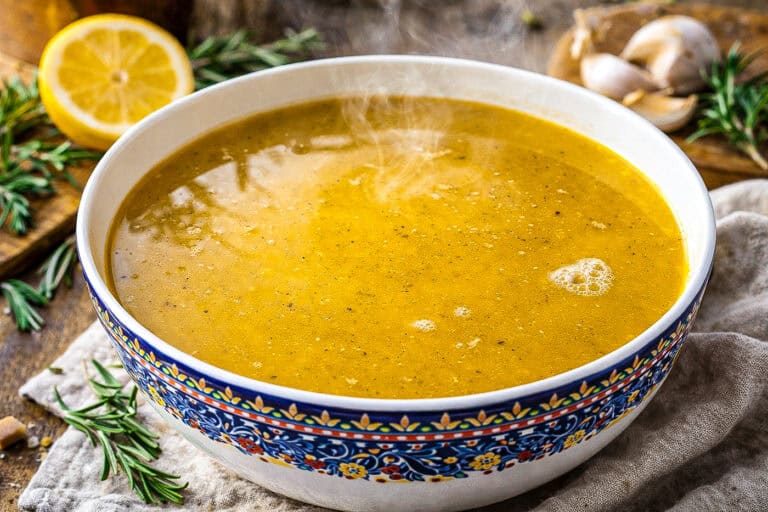
On my toughest nausea days, my go-to foods are usually light, easy-to-digest options: Lemon Olive Oil Protein Mousse, homemade bone broth, and nibbling on egg bites. They all keep me going without making my stomach feel worse. Having these on hand can make those rough hours a little easier.
Why this Mediterranean Diet for GLP-1 Nausea Works
The Mediterranean diet wasn’t dreamed up as a weight-loss plan. It’s just how people have eaten for generations along the Mediterranean Sea, real food, olive oil, fish, legumes, piles of vegetables, and meals that happen slowly, with people you actually want to sit next to.
What makes it such a good fit for GLP-1 life is that it’s already built around what you need most when your meals get smaller. When you’re eating less, every bite counts. Suddenly, what you put on your plate matters more than ever. The Mediterranean way gives you protein for your muscles, fiber for your digestion, and healthy fats to keep you full, no spreadsheets, no fancy products, no total kitchen overhaul required.
It also aligns with how GLP-1s affect your eating. You’re not chasing hunger anymore. You get to slow down, cook with a bit more care, and actually taste what’s in front of you. The Mediterranean approach just fits.
When every bite matters, this way of eating gives you what you need: protein to protect your muscles, fiber to keep digestion moving, healthy fats to keep you full, and real, whole foods. It’s simple, flexible, and genuinely supportive during GLP-1 treatment.
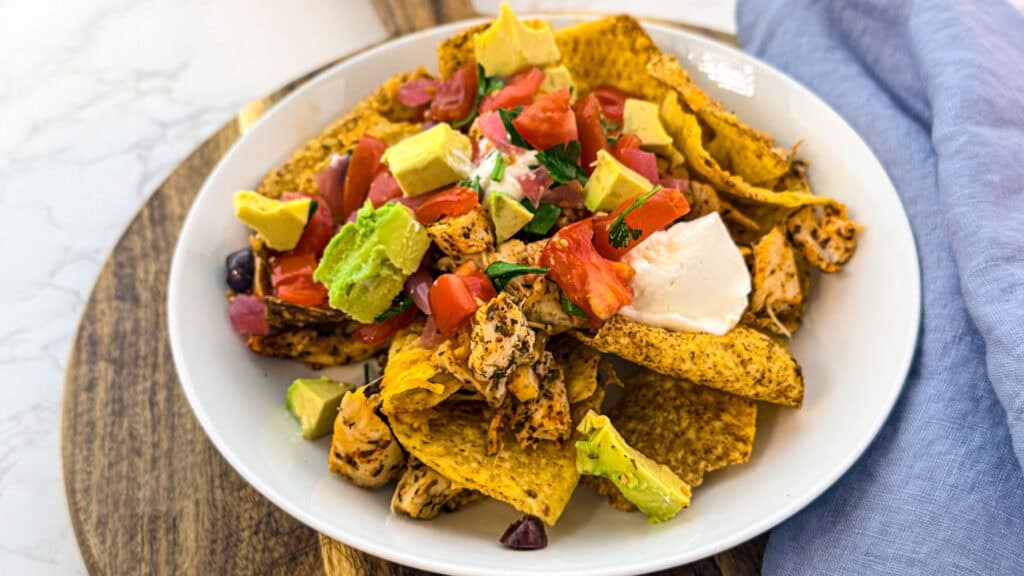
Mediterranean Diet for GLP-1 Nausea Pillars
Protein: Your Most Important Tool
Losing muscle is one of the biggest risks with fast weight loss on a GLP-1. If you’re not getting enough protein, your body doesn’t just burn fat, it burns muscle, too. And muscle is what keeps your metabolism humming, your energy up, and your body working the way you want it to.
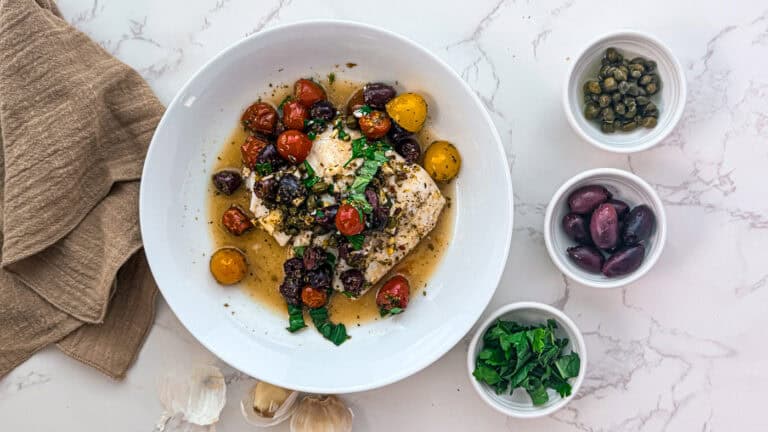
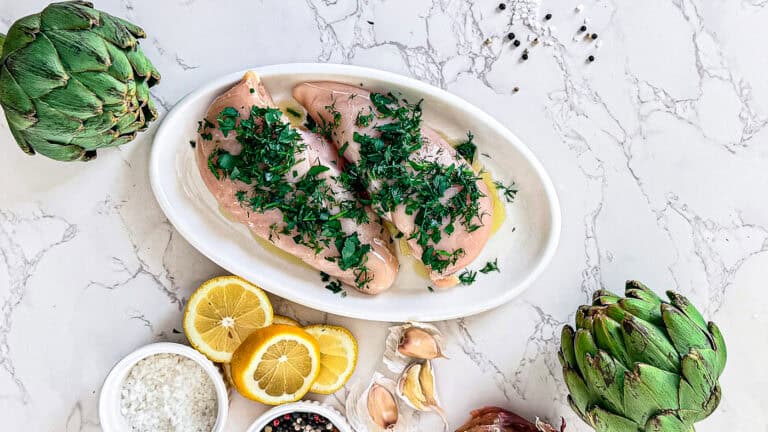
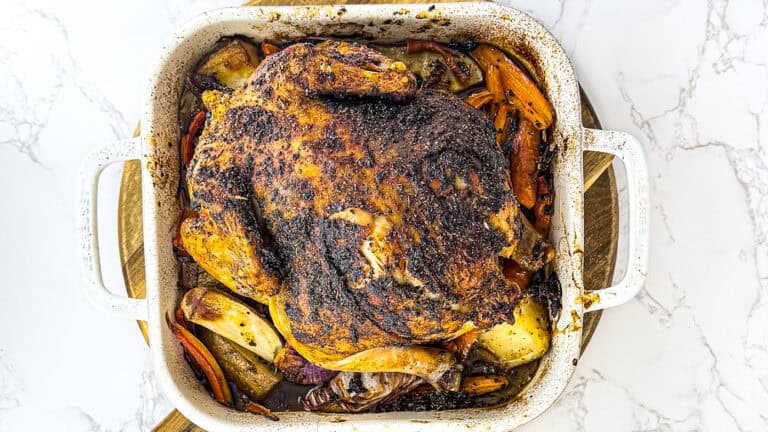
Most experts say you need 20 to 30 grams of protein per meal. That sounds like a lot, but the Mediterranean pantry makes it surprisingly easy. Greek yogurt for breakfast, grilled fish or chicken at lunch or dinner, eggs, lentils, chickpeas, and a handful of walnuts here and there can all help you reach your goal. Every recipe I share here aims for that sweet spot.
If tracking protein feels overwhelming, my simple approach is this: I glance at nutrition labels or a quick online search to estimate the protein in each part of my meal. For example, a cup of Greek yogurt typically contains about 15 to 20 grams of protein, while a piece of fish or chicken contains about 20 to 25 grams. I add things up as I go, aiming for that 20 to 30 grams per meal target without stressing about perfection.
Protein also tends to slow digestion and support steadier blood sugar levels, which, in my experience, means fewer crashes and more comfortable days. For more information, be sure to refer to my Mediterranean Protein Guide for GLP-1 Users.
Fiber and GLP-1 Nausea
One of the first things I noticed when I started eating this way was how much better my digestion felt. GLP-1s slow everything down, which can get uncomfortable fast if you’re not getting enough fiber. Lentils, chickpeas, artichokes, and farro all helped keep things moving in the right direction, and I was moving more comfortably.
Fiber also feeds your gut, which science says is good for everything from mood to immunity. If you’re new to higher-fiber foods, it’s best to increase your fiber intake gradually, as this gives your digestive system a chance to adjust and helps you avoid discomfort such as bloating or gas. You don’t have to get technical about it. Just notice how much better you feel when you eat this way. I definitely did.
Healthy Fats: Stop Fearing Them
For years, most of us were told fat was the enemy. But on a Mediterranean path, especially when your meals are smaller, healthy fats become one of your best friends.
When you’re eating less, you need foods that actually fill you up and keep you going. Healthy fats do that. They help your body absorb vitamins, keep your skin and hair happy, and tell your brain you’re satisfied so you’re not wandering back to the fridge out of habit.
Think of fats like extra virgin olive oil, avocados, walnuts, almonds, salmon, and sardines. A drizzle of olive oil over roasted veggies does more than make them taste good, it makes the meal feel complete.

It’s Not Just About the Food
What I love most about the Mediterranean lifestyle is that it’s not just about what’s on your plate. The research is detailed: movement, stress reduction, sleep, and social connection all play a huge role in long-term weight maintenance. Mediterranean living naturally includes a walk after dinner, eating slowly, giving yourself time to unwind, and getting enough sleep. Most importantly, it’s about sharing meals with people you care about.
One of the biggest shifts for me was realizing this isn’t a short-term project. You’re not just gritting your teeth until you hit a certain number. You’re building something that lasts, a life you actually like living.
The Mediterranean approach makes this surprisingly doable. It fits real life, and it’s satisfying enough that you don’t feel like you’re missing out. I’ve had more fun in the kitchen this past year than I have in ages. That’s not a fluke, it’s part of why this works.
Frequently Asked Questions
In my experience, it’s one of the best fits. The Mediterranean framework focuses on exactly what matters most when your appetite drops: protein to protect muscle, fiber to support digestion, and healthy fats to keep meals satisfying. It’s not a restrictive plan with rules to follow. It’s a way of eating that makes good choices feel natural.
Most nutrition experts suggest aiming for 20 to 30 grams of protein per meal. That might sound like a lot, but Mediterranean staples make it surprisingly doable. Greek yogurt at breakfast, fish or chicken at lunch or dinner, eggs, legumes, and nuts woven in throughout the day. The recipes here are all built with this in mind.
Extra-virgin olive oil, chickpeas, lentils, leafy greens, tomatoes, whole grains, eggs, Greek yogurt, nuts, and seeds are the core of what I cook with. They bring protein, fiber, and healthy fats together in ways that actually feel good to eat.
This is one of the questions I get most often, and I want to be honest with you. My first weeks on Zepbound were rough. I had constant daily nausea that made real cooking feel impossible. Within about a month of eating an intentionally Mediterranean diet, that constant nausea resolved into a manageable 24-hour window after my weekly shot. I cannot tell you it will work the same way for you. But I can tell you that what I ate made a real difference for me. Light, protein-rich, easy-to-digest foods on hot days, and a full Mediterranean plate the rest of the week.
medical disclaimer
Everything I share at The Lemon Hearth comes from my own experience and research, not from a medical degree. I’m a real person on a GLP-1 journey, not a healthcare provider. What worked for me may not be right for you, and your doctor is always the right first call before changing your diet, supplements, or health routine. I’m here to share the food and the journey. Your doctor is there for the rest.