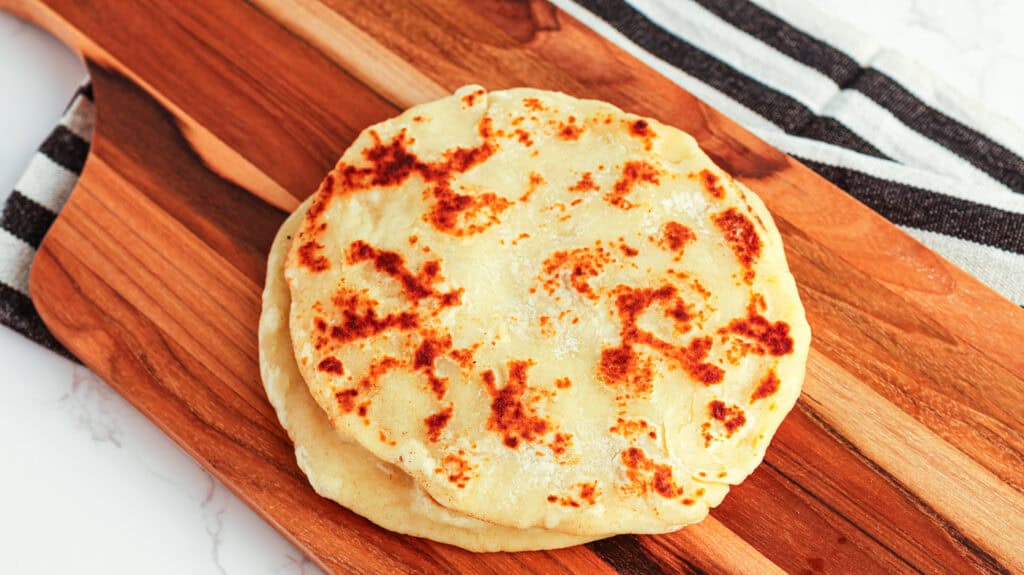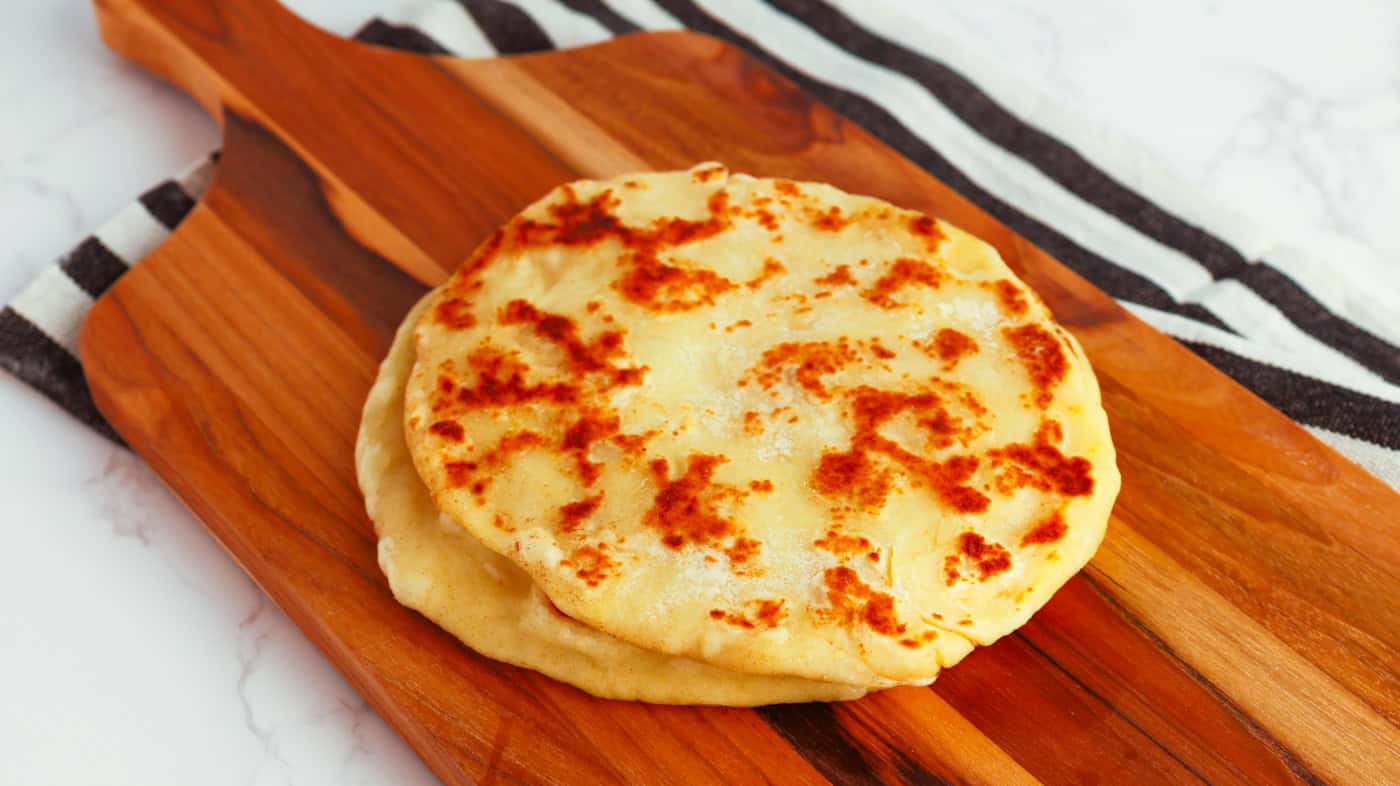
For a long time, I thought eating healthy meant waving goodbye to anything warm and golden that came out of a pan. Bread? Off the table. Or so I believed. Turns out, I was completely wrong. This Greek yogurt flatbread is the kind of happy surprise I wish I’d stumbled on years ago; soft and a little chewy. The best part is it’s packed with protein, and familiar ingredients coming together in a way that proves good food doesn’t have to make a big fuss.
Why This Recipe Works
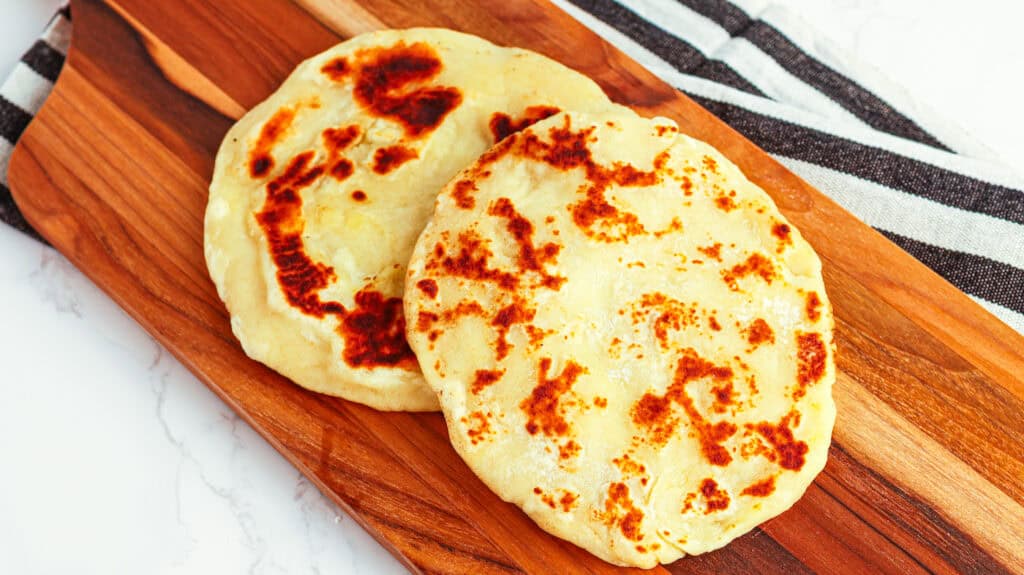
This Greek yogurt flatbread is a light, fluffy, satisfying high-protein bread that compliments any meal. Whether you use it as a wrap, tear it off in chunks with a dip, or eat alongside your meal, it leaves you satisfied instead of feeling heavy.
Meal-Prep Friendly
You can go from opening your fridge to eating in about 10 minutes. There’s no yeast, overnight dough drama, or fancy gadgets. Just a bowl, your hands and a hot pan.
If you’ve ever looked at a healthy recipe and thought, “Yeah, but who has the energy for that?” I’ve been there. This flatbread is my favorite reminder that eating well doesn’t have to be complicated or exhausting. Sometimes, it’s actually the easiest thing you’ll do all day. And, it involves ingredients you’re probably already stocked in your kitchen.
Is This Yogurt Flatbread GLP-1 Friendly?
If you’re on a GLP-1 journey, or just trying to eat in a way that doesn’t leave you tired and frustrated, I see you. Protein suddenly matters in a way it never did before; not just for the scale, but for keeping your muscles and your energy from disappearing. This flatbread actually brings protein to the party, and it tastes like something you’d pick on purpose, not just the best of a bad situation.
My Favorite Pairings
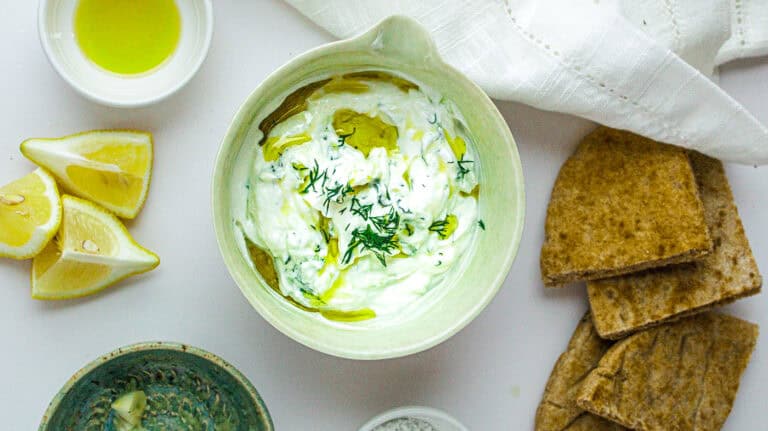
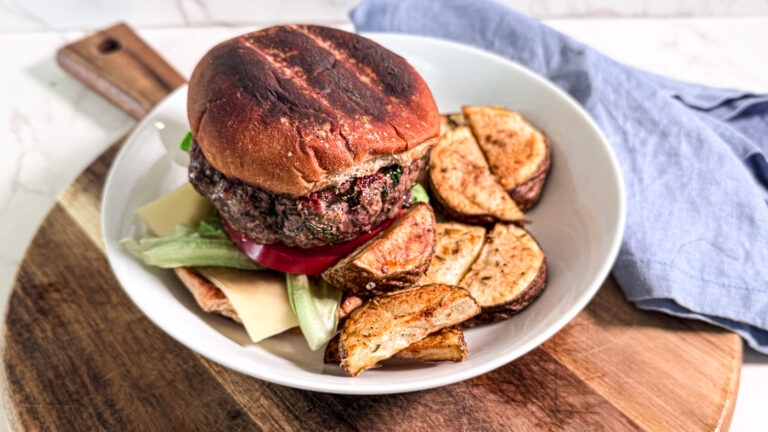
If you’re wondering what to eat with this flatbread, I love it with my Mediterranean Chicken Bowl or the Mediterranean Chicken Flatbread Bowl. Or just scoop up some Greek Yogurt tzatziki for a high-protein snack that actually fills you up. It’s also great alongside roasted vegetables, like eggplant, peppers, or zucchini, for a satisfying plant-based meal, or with lentil salad for extra fiber and protein. Try it with hummus or baba ganoush, or pile on smashed avocado and sliced tomatoes for a fresh, nutrient-packed lunch.
Why You’ll Love this Greek Yogurt Flatbread
- High protein: Each flatbread packs about 12 grams of protein, thanks to Greek yogurt. It’s comfort food that still leaves you feeling nourished.
- It’s quick, too. No yeast means you’re not stuck waiting for the dough to rise. Just mix, let it rest for a few minutes, roll it out, and cook. You can have warm flatbread on the table in about 10 minutes, which is exactly what I need on those weeknights when I’m already hungry, and patience is in short supply. Make it happen when you need dinner, like, now.
- It’s a great anchor, too. This flatbread can hold down a meal or just hang out on the side. I’ve used it as a wrap, a pizza base, to scoop up hummus, or just next to salad and chicken. The flavor plays nicely with just about anything.
- It’s easy to make, too. If you can stir and roll out dough, you’re good to go. No fancy equipment, no complicated steps; just something simple that actually works. Don’t overthink it. Just make it.
Ingredients Notes & Smart Swaps
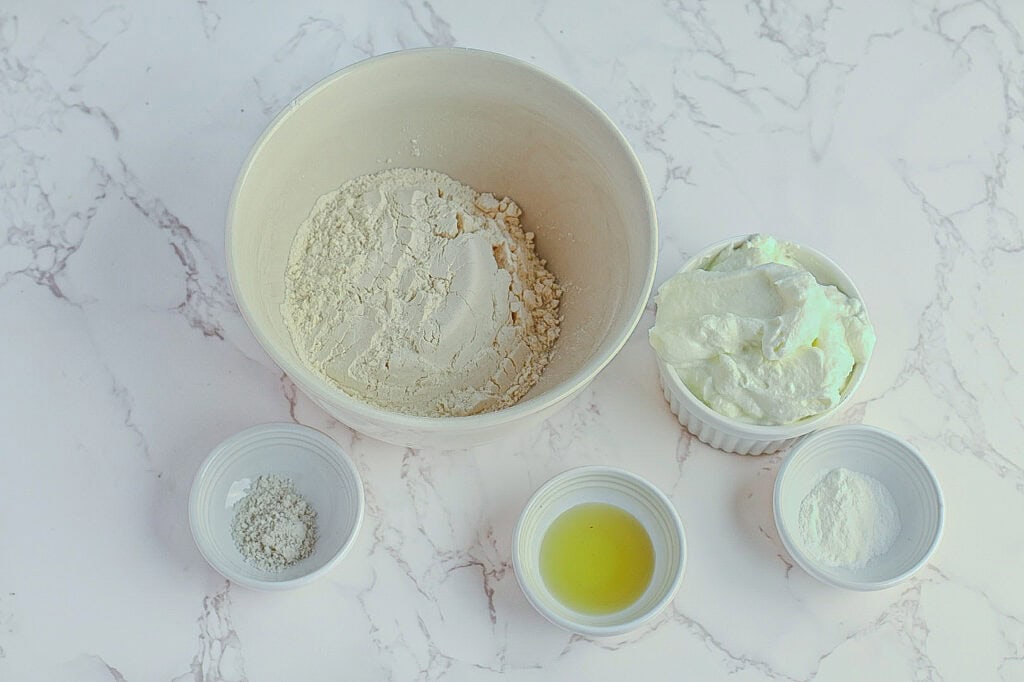
This Flatbread features simple Whole Foods and high-quality ingredients designed to bring something special to the table, whether it’s flavor, texture, or a nutritional boost. Below, I’ll break down what each part adds, how to pick the best ingredients at the grocery store, and offer some easy swaps to keep things accessible, Mediterranean-ish, and GLP-1-friendly.
What Goes In and Why It Works
- Greek Yogurt is where it all starts. I rely on it for the protein, but honestly, it’s the texture that keeps me coming back. It makes the dough soft and easy to handle and keeps everything moist without adding extra fat. Full-fat is worth it here. That little bit of richness and creaminess is what makes you forget you’re eating something that’s actually good for you.
- Whole Wheat Flour is my go-to for structure, but it’s also the quiet hero when it comes to fiber. I’ve learned to appreciate that it helps keep digestion on track, especially with GLP-1 in the picture.
- Baking Powder is the shortcut I wish I’d discovered sooner. No yeast, no waiting for dough to rise, just mix and go. It’s a tiny scoop that keeps the flatbread tender instead of turning it into something you could use as a doorstop.
- Sea Salt does more than just make things taste good. It helps the dough hold together, so you don’t wind up with a pile of crumbs. If you have flaky sea salt, now’s the time to use it. It makes everything feel a little more special.
- Olive Oil: Just a drizzle in the dough adds a hint of richness and keeps the flatbread from sticking to the pan. And honestly, nothing says Mediterranean like olive oil. It brings a depth of flavor that butter just can’t touch.
Substitutions for the High-Protein Flatbread Recipe
Whole Wheat Flour: If you need to make it gluten-free, swap the whole-wheat flour for a 1:1 gluten-free baking flour blend. You can also play with different whole-grain flours, such as spelt or oat flour, just adjusting the liquid as needed for dough consistency.
For higher protein and lower carbs, try almond flour or chickpea (gram) flour. Both work as alternatives, especially for GLP-1 users looking for more protein or to keep carbs lower, though you may need to tweak the liquid amount and expect a slightly different texture.
Greek Yogurt: For a dairy-free version, use a thick, unsweetened dairy-free yogurt like coconut or almond, look for one with a similar texture to Greek yogurt and as much protein as possible, if available. If eggs fit your diet, adding one to a dairy-free dough can help with binding and moisture.
How to Make the Greek Yogurt Flatbread
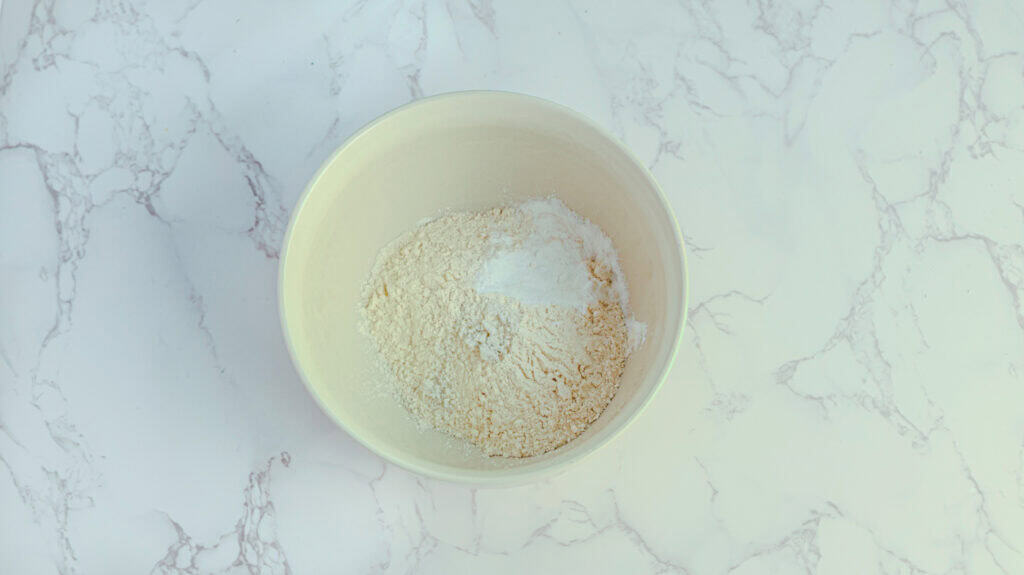
In a bowl, mix flour, baking powder, and salt. Add Greek yogurt and stir with a spoon until a shaggy dough forms.
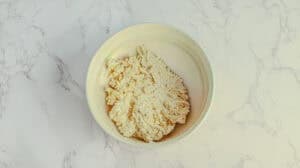
Knead lightly, dust your hands and counter with flour. Knead the dough for 30-60 seconds until smooth.
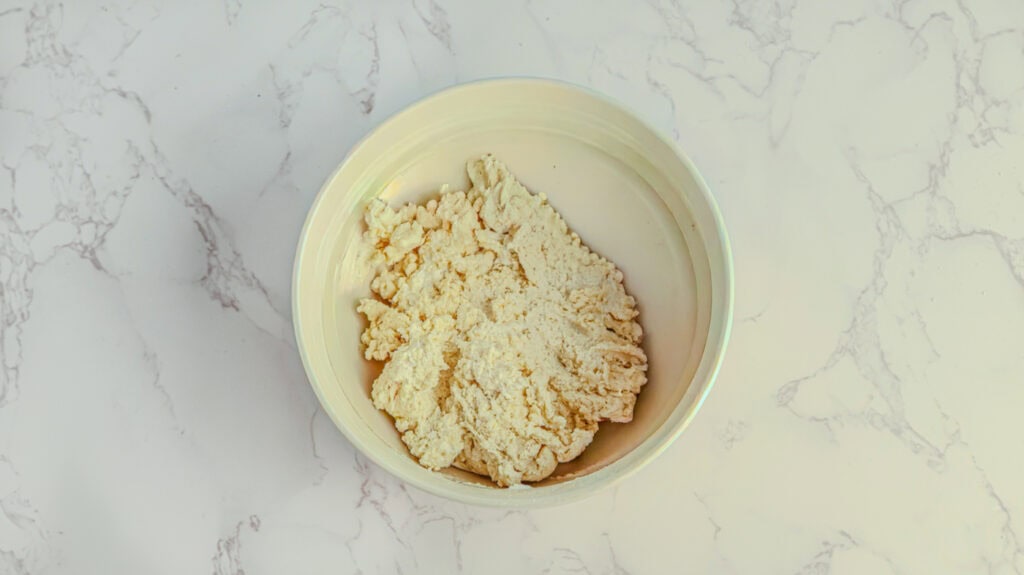
Adjust for your yogurt’s thickness: Greek yogurt varies by brand. If your dough is too sticky to handle, add flour one tablespoon at a time. If it crumbles, add a teaspoon of yogurt. The dough should feel soft and slightly tacky, similar to Play-Doh.
Do not skip the rest: After mixing the dough, let it sit for 5 minutes before rolling. This lets the flour fully hydrate, making the dough much easier to work with. It will not spring back as you roll it out.
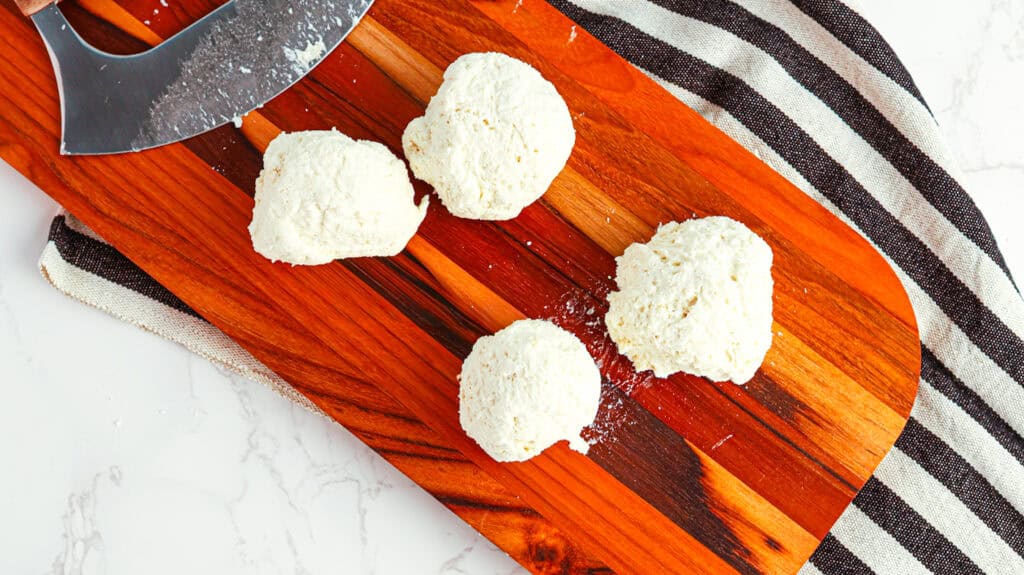
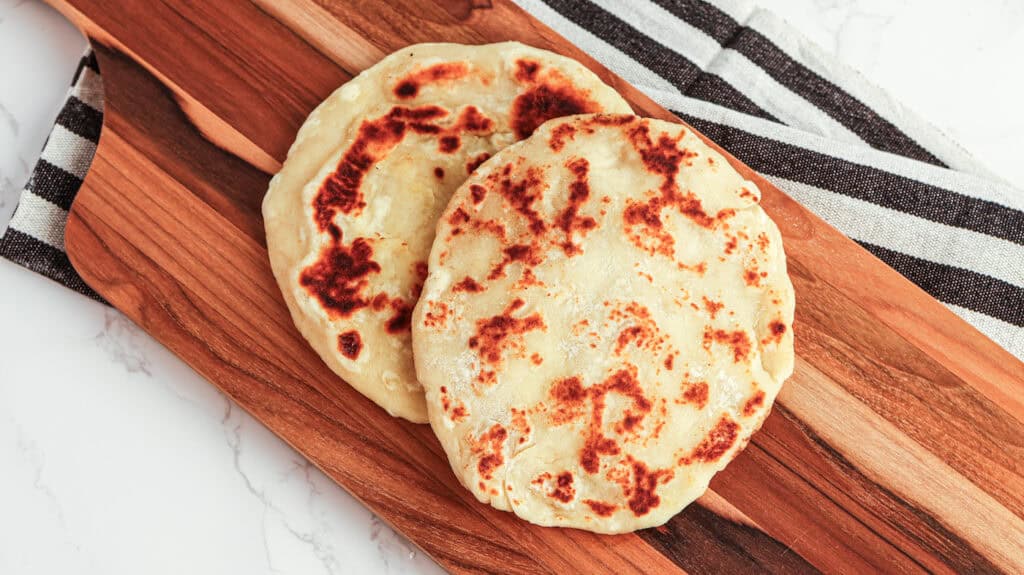
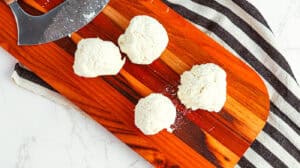
Cut into 3 pieces. (In the image shown, I cut the dough into four pieces to test the best way to flatten the dough. Either works; you’ll just have less protein.) Roll each into a ball, then flatten or roll into 6-7 inch rounds.
Flatten the dough thinner than you think: Aim for about 1/4 inch thickness. Thinner flatbread cooks more evenly, gets those beautiful golden spots, and has a better texture for wrapping or topping. Thick flatbread tends to stay doughy in the middle.
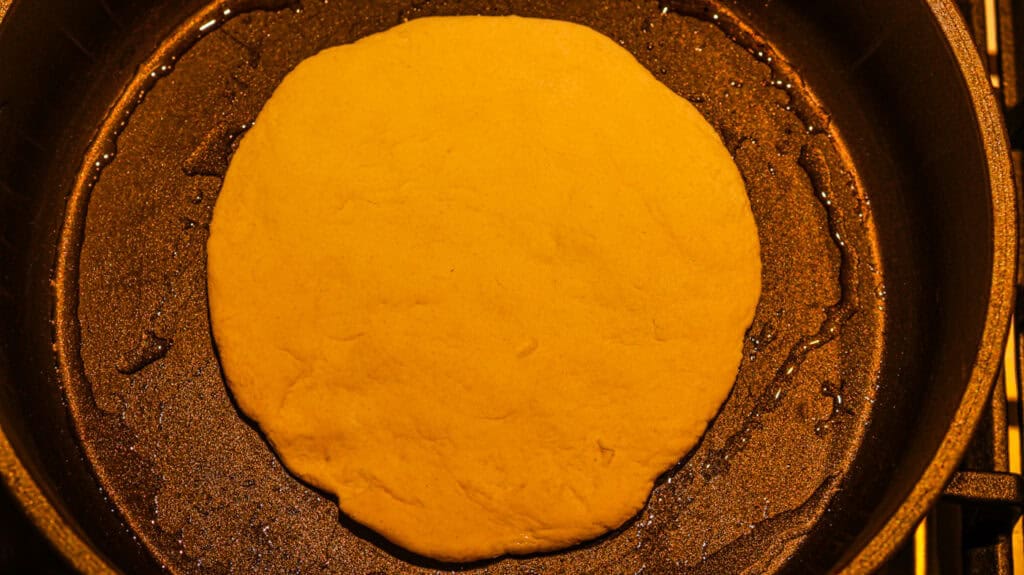
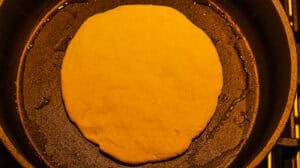
Dry pan over medium-high heat. No oil in the pan. A dry cast-iron or heavy nonstick skillet gets the flatbread’s surface golden and slightly charred in the right way. Cook 2-3 minutes per side; you will see bubbles form and the edges look set before you flip.
Stack cooked flatbreads in a clean towel to keep them soft and pliable.
Eat them warm: These flatbreads are best in the first 10 minutes off the pan. The texture shifts as they cool, becoming a little firmer. Warm is when that soft, slightly chewy quality is at its best.

Greek Yogurt Flatbread
Equipment
- 1 Medium mixing bowl
- 1 Frying pan
Ingredients
- 1 cup Greek yogurt 2 or 5%
- 1 cup whole-wheat flour
- 1 tbsp baking powder
- 1/2 tsp fine sea salt
- 1-2 tsp olive oil extra virgin
Instructions
- Mix 1 cup whole-wheat flour, 1 tbsp baking powder, and 1/2 tsp fine sea salt. Add 1 cup Greek yogurt and stir with a spoon until a shaggy dough forms.
- Knead lightly, dust your hands and counter with flour. Knead the dough for 30-60 seconds until smooth. If dough is too sticky add flour 1 tbsp at a time. Let sit for 5 minutes before rolling.
- Cut into 3 pieces. Roll each into a ball, then flatten or roll into 6-7 inch rounds, about 1/4 inch thick.
- Brush each flatbread (both sides) with remaining oil before cooking. Cook 2-3 minutes per side; you will see bubbles form and the edges look set before you flip.
- Stack cooked flatbreads in a clean towel to keep them soft and pliable.

Notes
- Refrigerate with parchment paper between each flatbread to prevent sticking. Store in an airtight container for up to 4 days.
- Wrap each flatbread in plastic wrap, then store in a freezer bag for up to 2 months. Thaw at room temperature for about 20 minutes.
- Reheat in a dry skillet over medium heat for about 60 seconds per side. Or, microwave in a damp towel for 30 seconds.
Nutrition
Frequently Asked Questions