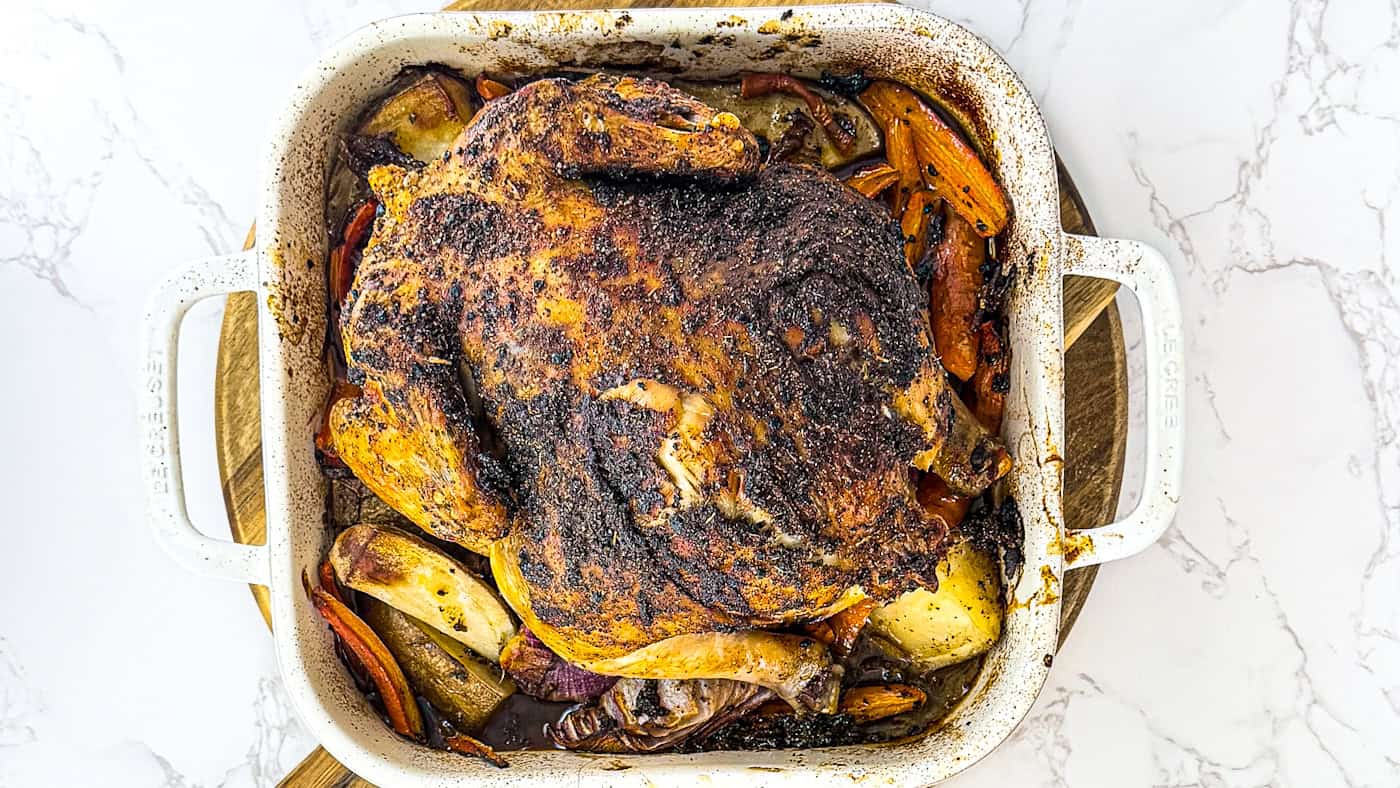
If you’ve never roasted a whole chicken before, trust me, you’re not alone. For years, I thought roasting a chicken was some kind of secret club for people who iron their napkins and always remember to take things out of the freezer. But here’s the truth: roasting a chicken is one of those sneaky little kitchen victories that makes you feel like you’ve got it together, even if you’re still wearing yesterday’s sweatpants. My Easy Sumac Roasted Whole Chicken is what I make when I’m standing in front of the fridge, wishing dinner would just appear. There’s something about turning a plain old chicken into a meal that feels like a Mediterranean hug on a plate.
Roasting a whole chicken sounds like something reserved for people with matching aprons and kitchens that never see a crumb, but it’s honestly so much simpler than it looks. You get a bit of everything: tender breasts, juicy thighs, and the promise of homemade bone broth if you’re feeling ambitious later. My favorite part? The way your house starts to smell like you’ve got your act together, even if you’re still in pajamas at four in the afternoon. One lazy afternoon in the kitchen, and suddenly you’ve got a week’s worth of good meals lined up. Not too shabby for a bird that started out looking a little lost in the fridge.
Why This Recipe Works
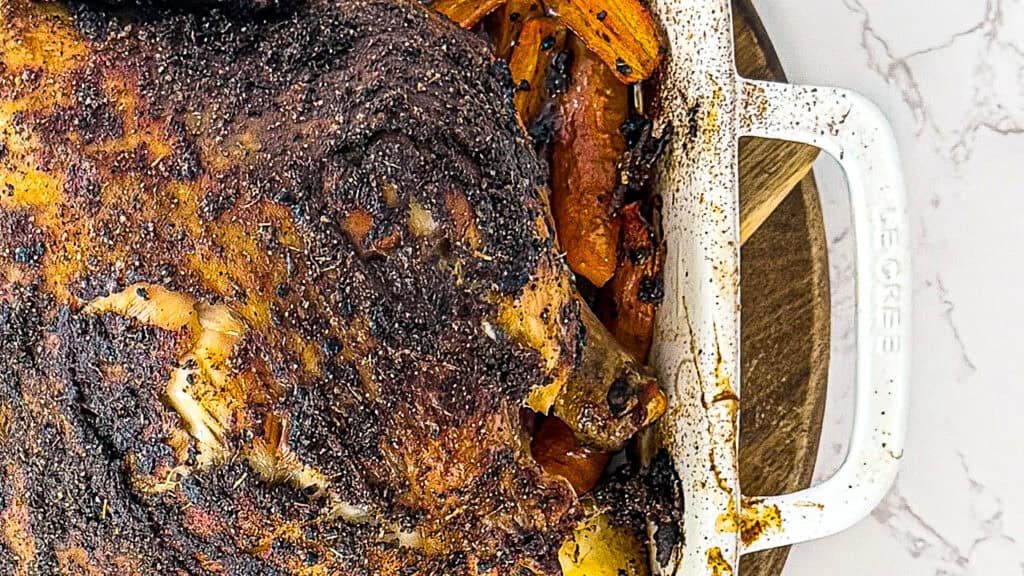
This Easy Sumac-Roasted Whole Chicken is my go-to for Sunday dinner, and honestly, it’s the kind of meal that keeps on giving all week. Picture this: a chicken with a tangy, citrusy crust and skin so crisp you can hear it crackle. I like to rub the sumac under the skin too, so every bite of chicken breast tastes bright and a little unexpected. The best part? All those vegetables roasting underneath soak up the juices and turn into something deeply savory and comforting. It’s the kind of meal that makes you feel like you’ve got it all together, even if you’re just winging it.
This is one of those recipes that looks impressive, but it mostly cooks itself while you do something else (like finally folding that laundry). It’s become my cornerstone for easy, high-protein, Mediterranean-ish meals all week, with almost zero extra effort.
Meal-Prep Friendly
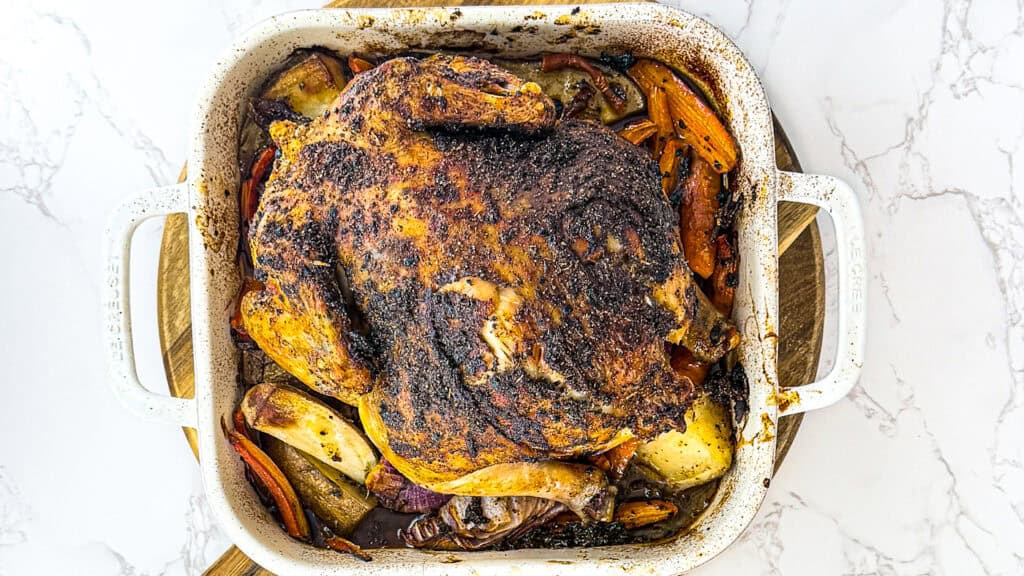
Roasting a whole chicken is one of those small kitchen victories that makes me feel like I’ve got my life together, even if the rest of my week is a mess. With a little bit of planning, that one bird turns into the backbone of several meals. I usually stand at the counter, portioning the meat into freezer bags, each breast in a bag, thighs in another, legs and wing meat in a third, trying not to snack too much as I go. Suddenly, weeknight dinners don’t feel so overwhelming, and for a few days, I get to pretend I’m the kind of person who always has a plan.
Zero Waste Cooking
After you’ve picked the meat clean (and maybe nibbled a little as you go), don’t even think about tossing those bones. In Mediterranean kitchens, nothing gets wasted, and a chicken carcass is basically an invitation to make broth. It’s simple, it saves money, and there’s something oddly satisfying about simmering your own homemade chicken broth. It’s the kind of thing that makes you feel like you’ve unlocked a secret level of kitchen confidence, even if you’re still in your pajamas.
My Favorite Pairing Suggestions
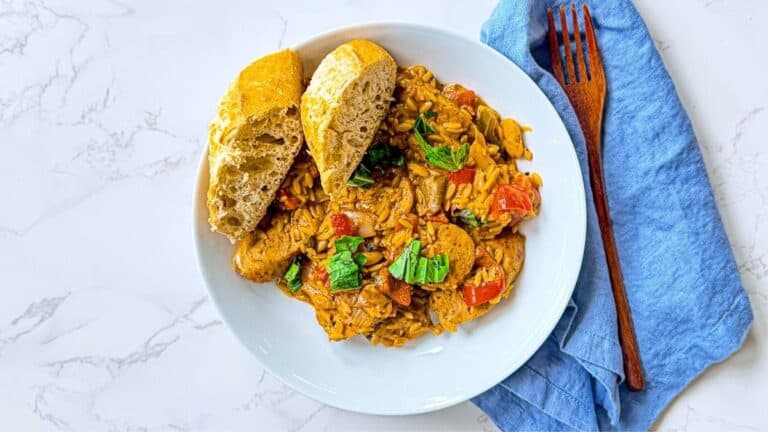
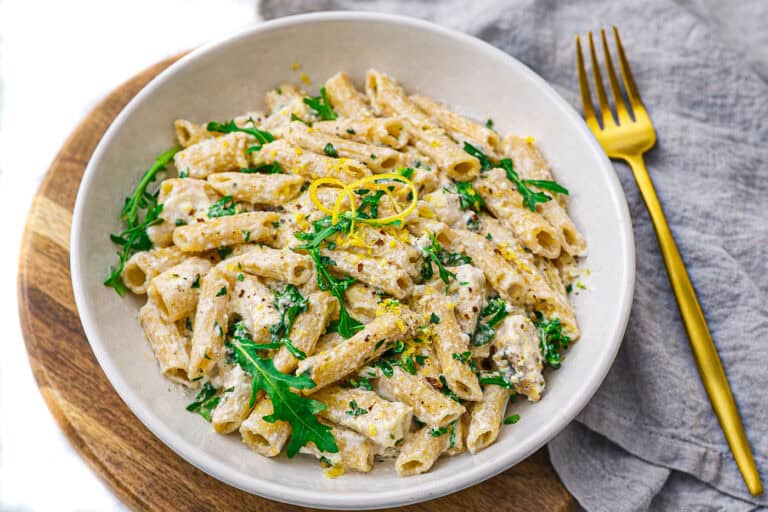
If you’re looking for ideas, I love turning leftover chicken into a Lemon Herb Chicken Bowl or piling it onto Sheet Pan Chicken Nachos. Or, if you’re in a hurry (or just hungry), wrap it up with some Greek Yogurt Flatbread and a generous scoop of Tzatziki for a quick, high-protein meal that feels a little fancy, even if you’re eating it over the sink.
Why You’ll Love this Sumac-Roasted Whole Chicken
- You only need about 15 minutes of actual effort before the oven takes over and does the rest.
- It’s packed with protein, so you’ve got an easy anchor for meals all week long.
- It’s basically built for meal prep, think bowls, salads, wraps, soups, or whatever you’re in the mood for.
- The chicken stays gentle and juicy, which is a lifesaver on those low-appetite GLP-1 days when nothing else sounds good.
- Built‑in meal prep: bowls, salads, wraps, soups, and more
- Every bite is packed with those anti-inflammatory Mediterranean ingredients that make you feel like you’re doing something good for yourself.
- It gives you that slow, comforting Sunday roast feeling, even if it’s just a regular Tuesday night and you’re still in your work clothes.
Ingredients Notes & Smart Swaps
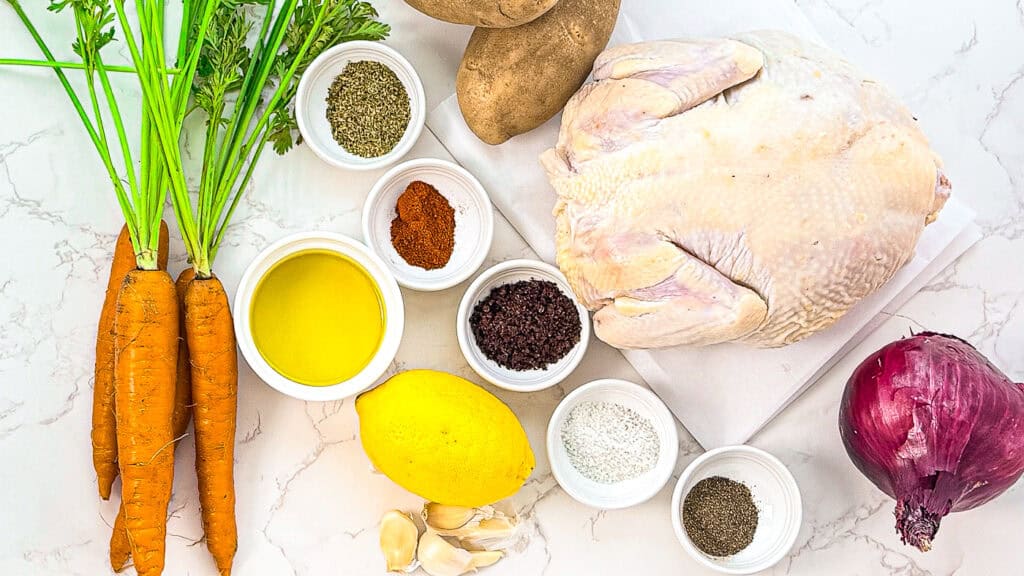
Every ingredient in this recipe is pulling its weight. So, let’s walk through what each ingredient actually does, and how these Mediterranean basics come together to make a sumac roast chicken that’s bright, juicy, and the kind of dinner you can count on when you’re tired and hungry and just want something to go right.
What Goes In and Why It Works
Sumac: This is my secret weapon when I want that hit of lemony brightness, but I don’t want to drown everything in juice. Somehow, sumac keeps the chicken skin crisp, which always feels like winning a tiny prize in the kitchen.
Extra Virgin Olive Oil: A generous drizzle wakes up the sumac and somehow sneaks all that brightness right under the skin, where it counts.
Garlic & Oregano: They’re classic Eastern Mediterranean aromatics, and somehow, they make everything taste like you actually planned it that way.
Lemon Zest: When a dish is feeling a little tired, lemon zest is my go-to for waking it up. It brings that citrusy spark without turning your spice rub into a sad little puddle.
Root Vegetables: These are the unsung heroes in my kitchen. By the time dinner’s ready, they’ve soaked up all those tangy drippings.
Substitutions for the Sumac Roasted Whole Chicken
Sumac: If you’re out, try mixing lemon zest with smoked paprika. It’s not a perfect match, but it brings that same bright, tangy kick and a hint of color. Good enough for a Tuesday night when you just want dinner to taste as you tried.
Oregano: If you spot some za’atar in your spice drawer, use it. The sesame seeds and herbs give things a little more personality, and honestly, it’s the kind of shortcut that makes you feel like you know what you’re doing, even if you’re just winging it.
Red Onion: Shallots work in a pinch, or just cut a yellow onion into big, unapologetic wedges. No one’s judging.
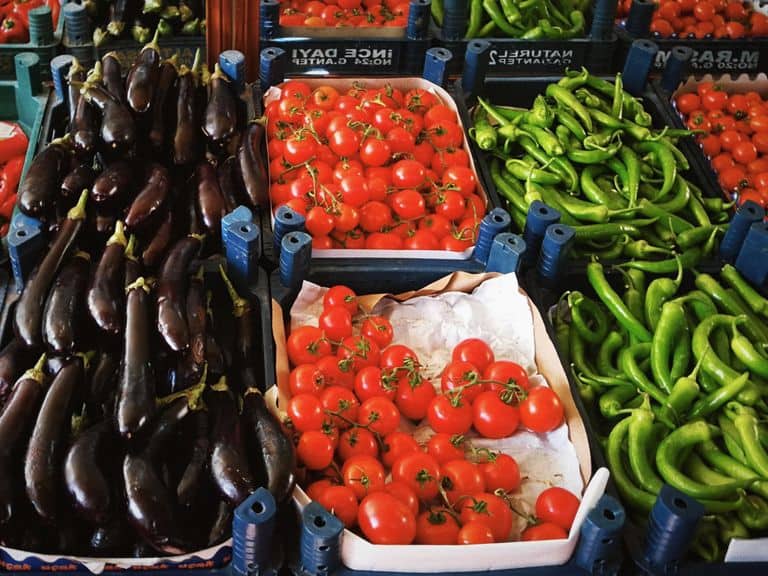
Carrots & Potatoes: Out of carrots or potatoes? Try roasting parsnips, fennel, or even cauliflower florets. They’re lighter, friendly for GLP-1 days, and honestly, sometimes it’s nice to shake things up.
Olive Oil: Swap in ghee if you have it. Suddenly, everything gets this rich, golden finish that makes dinner feel just a little more special, even if you’re eating in sweatpants.
How to Make Sumac Roasted Whole Chicken
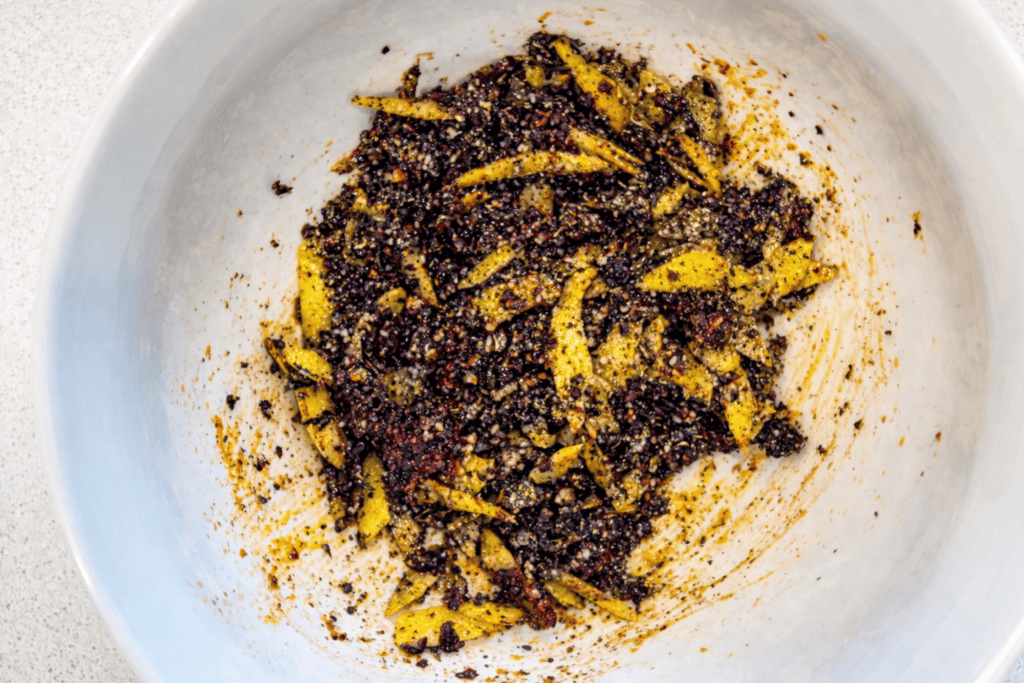
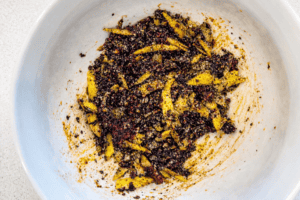
Pat the whole chicken dry very well, this is the key for crisp skin. Gently loosen the skin over the breasts and thighs with your fingers. Make the sumac rub by mixing olive oil, sumac, oregano, garlic, lemon zest, paprika, and black pepper.

Rub has the mixture under the skin and the rest over the outside. Place the lemon (halved) inside the cavity. Place the chicken on top of the vegetables.
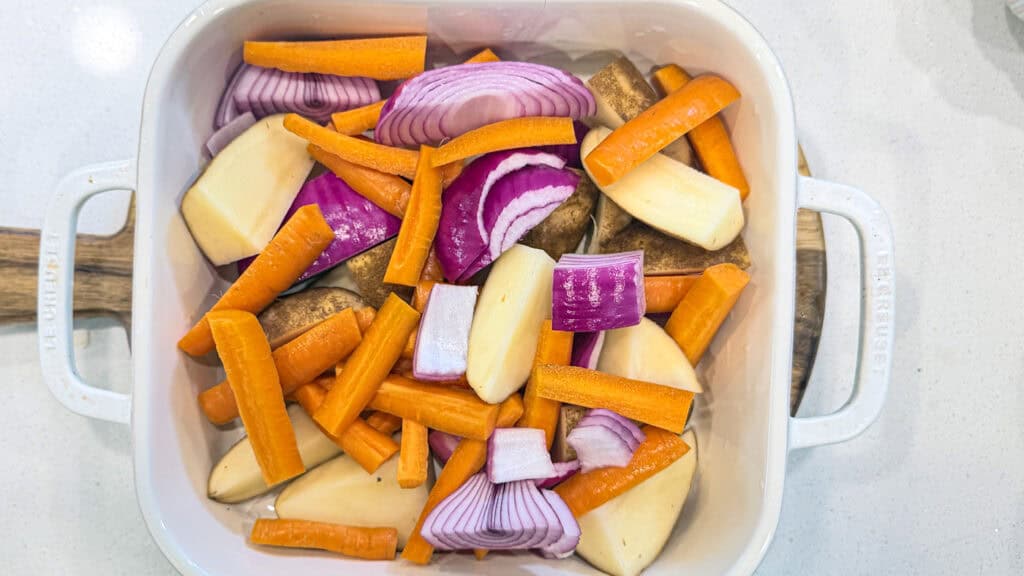
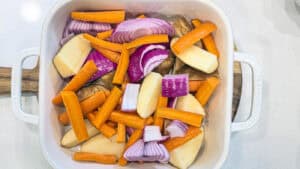
Scatter the red onion, carrots, and potatoes. Drizzle with a little olive oil and a pinch of sumac.
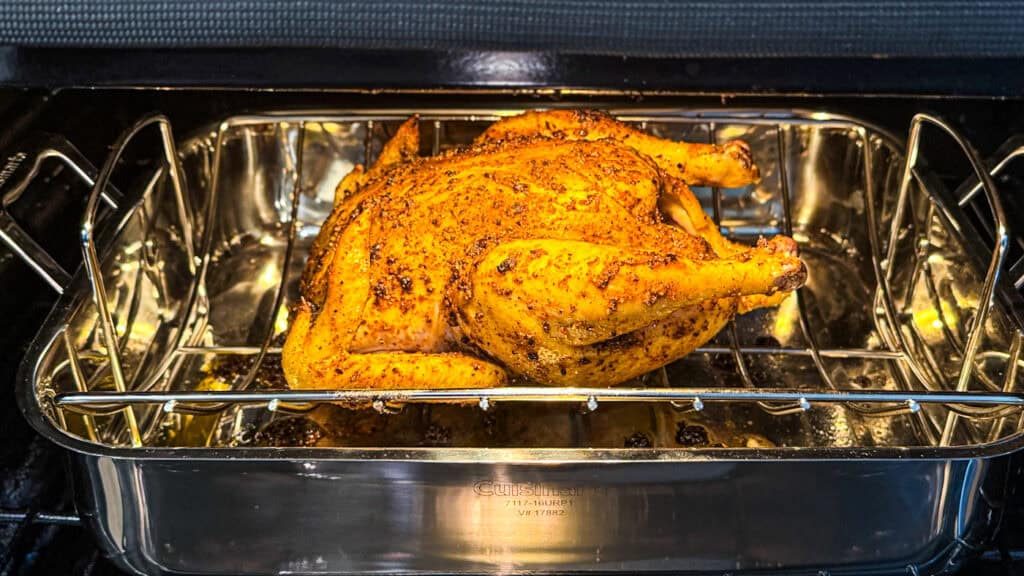
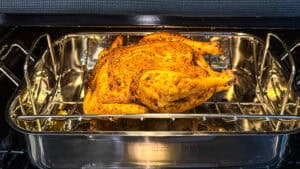
Roast at 425F for 20 minutes, then reduce the heat to 375F and continue roasting 55-70 minutes, until the thigh reaches 165F. You’ll know it’s done when the skin is deeply golden and crisp, and the house smells irresistibly savory. When you pierce the thickest part of the thigh with a knife or skewer, the juices should run clear, not pink or rosy. The legs will feel loose and wiggle easily in their sockets.
You can also gently press the drumstick or breast with the back of a spoon or your finger; the meat should feel firm and spring back lightly, not soft or rubbery. As you lift the bird with tongs or a spatula, check whether the juices at the bottom of the pan are golden and clear. Another good sign: the meat begins to slightly pull away from the tips of the leg bones, exposing a bit more bone than when you started roasting.
If you have a thermometer, the thickest part of the thigh should read 165°F, but even without it, these visual and tactile cues make it easy to check for doneness and give you confidence that your chicken is ready.
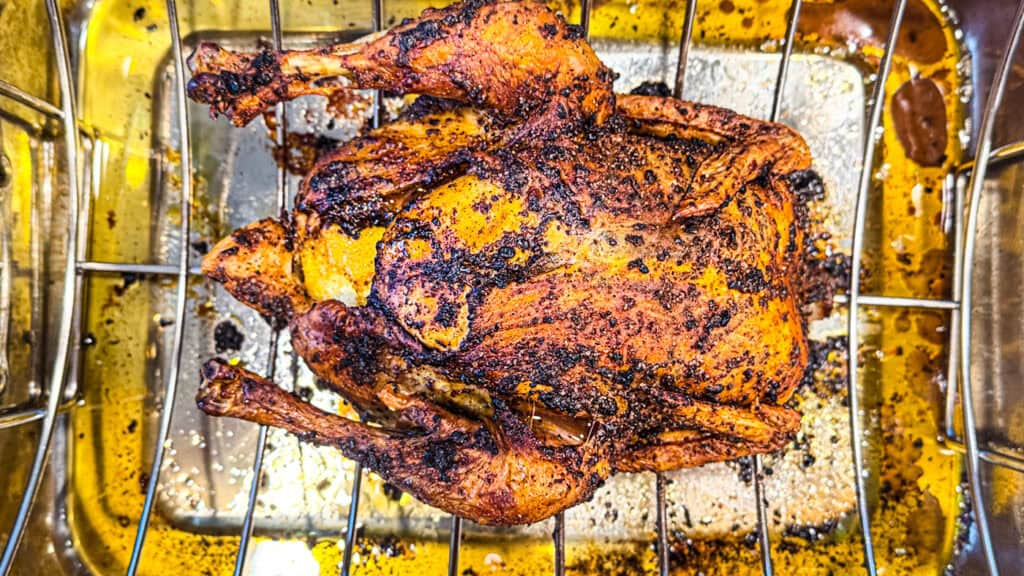
Let the chicken rest 10-15 minutes before carving. Let the sumac roast chicken rest. I know it’s tempting to dive in the second it comes out of the oven, I’ve definitely been there, but this is the secret to keeping all those good juices in the meat instead of running all over your cutting board.
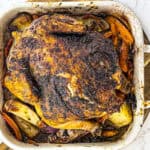
Sumac Rubbed Roasted Whole Chicken
Equipment
- 1 Mixing Bowl
- 1 casserole dish
Ingredients
- 5 pound whole chicken
- 2 tbsp ground sumac
- 1 tsp black pepper
- 1 tbsp paprika
- tbsp Greek oregano
- 6 cloves garlic
- 1 whole lemon, zested
- 1 lemon, halved
- 1/4 cup extra virgin olive oil
- 1 large red onion thickly sliced
- 4 carrots cut into large pieces
- 2 potatoes cut into chunks
Instructions
Prep the chicken
- Pat the 5 pound whole chicken dry very well, this is the key for crisp skin. Gently loosen the skin over the breasts and thighs with your fingers.
Make the sumac rub
- In a bowl, mix 1/4 cup extra virgin olive oil, 2 tbsp ground sumac, tbsp Greek oregano, 6 cloves garlic, 1 whole lemon, zested, 1 tbsp paprika, 1 tsp black pepper.
Build the roasting base
- Scatter 1 large red onion, 4 carrots, 2 potatoes. Drizzle with a little olive oil, and a pinch of sumac.
Season deeply
- Rub half the mixture under the skin and the rest all over the outside. Place the 1 lemon, halved inside the cavity. Place the chicken on top of the vegetables.

Roast
- Roast at 425F for 20 minutes, then reduce the heat to 375F and continue roasting 55-70 minutes, until the thigh reaches 165F.
Rest & serve
- Let the chicken rest 10-15 minutes. Spoon the sumac-lemon pan juices over the caved chicken.

Notes
- Refrigerate up to 4 days.
- Can be frozen up to 3 months.
- Reheat chicken in a cover skillet with broth or water. Or wam in oven at 300F wrapped in foil .
Nutrition
Frequently Asked Questions about the Sumac Roasted Whole Chicken
Frequently Asked Questions