If you’ve never roasted a whole chicken before, let me tell you, it’s one of those kitchen skills that quietly changes everything. There’s a special kind of comfort in knowing you can take a plain old bird and turn it into something that feels like a warm hug from the Mediterranean. Especially on those weeknights when you’re staring at the fridge, wishing dinner would just make itself. That’s where my Easy Sumac Roasted Whole Chicken comes in. But, if you’re not feeling like roasting a whole chicken this week, try my Lemon Herbed Chicken, or my Tender Pot Roast with Carrots and Onions if you’re looking for a beef meal prep option.
Roasting a whole chicken sounds like something only people with matching aprons and spotless kitchens do, but honestly, it’s so much easier than it looks. My favorite part? The way your house starts to smell like you’ve got your life together, even if you’re still in pajamas at 4 p.m. You get a little bit of everything: tender breasts, juicy thighs, and the promise of homemade bone broth for later. One afternoon in the kitchen, and suddenly you’ve set yourself up for a week of good meals. Not bad for a humble chicken.
Crisp skin, juicy meat, and sun‑bright sumac make this the simplest, most rewarding whole‑chicken recipe you’ll ever cook.
What’s in this Article
- What Makes Sumac Special
- Why You’ll Love this Sumac Roasted Whole Chicken
- Sumac Roasted Whole Chicken Ingredients
- Substitutions for the Sumac Roasted Whole Chicken
- How to Make Sumac Roasted Whole Chicken
- How to Carve a Whole Chicken (Realistically)
- Mediterranean Meal Prep: Sumac Roasted Whole Chicken
- How to Use the Bones and Skin; Zero Waste Cooking
- Storage & Reheating the Sumac Roasted Whole Chicken
- Frequently Asked Questions about the Sumac Roasted Whole Chicken

What Makes Sumac Special
Sumac is my not-so-secret weapon for roasted chicken, and honestly, it’s one of those little things that makes you wonder how you ever did without it. It brings a clean, citrusy brightness that wakes up the whole dish, but doesn’t make the chicken soggy. The skin gets crispy and tangy, the meat stays juicy, and suddenly this simple roast is the kind of meal you’ll think about long after the dishes are done. The deep red color gives the skin a golden, earthy glow, and the tanginess cuts through the richness in a way lemon juice just can’t. Try it once, and you might catch yourself reaching for sumac every time a chicken wanders into your kitchen.
If you’re stocking your pantry for easy, protein-packed meals, sumac definitely deserves a spot. If you haven’t cooked with it before, don’t stress, you can usually find it in the spice aisle at bigger grocery stores, Middle Eastern markets, or online if you’re like me and would rather avoid wandering the aisles. When you’re shopping, look for sumac that’s a deep burgundy or brick-red. If you get the chance, give it a sniff. It should smell zesty and fresh, not like something that’s been hiding in the back of your grandma’s spice cabinet since 1992.
If it’s tricky to track down, you can substitute with:
- Lemon juice or a splash of white wine vinegar can work in a pinch. Use about 1 tablespoon lemon juice or 2 teaspoons vinegar per tablespoon sumac as a guideline. They bring some of the same fresh, tangy flavor that sumac gives.
- For extra flexibility, za’atar is another close substitute, as it’s a blend of sumac, herbs, and sesame.
With any of these, you’ll still end up with chicken that tastes bright and inviting, so don’t let a missing ingredient stop you.
Why You’ll Love this Sumac Roasted Whole Chicken
- Hands‑off roasting with just 15 minutes of prep
- Naturally high in protein to anchor meals all week
- One pan, no special equipment, minimal cleanup
- Bright, lemony sumac adds big flavor without heaviness
- Gentle, juicy texture that works beautifully on low‑appetite GLP‑1 days
- Built‑in meal prep: bowls, salads, wraps, soups, and more
- Anti‑inflammatory Mediterranean ingredients in every bite
- Feels like a slow, comforting Sunday roast, even on a weeknight
Why This Works: The GLP‑1 Lens
- Roasted chicken is gentle, familiar, and easy to digest. On GLP‑1 days when your appetite is low or your stomach feels picky, lean proteins with a soft, juicy texture tend to go down easier. A well‑roasted whole chicken gives you satisfying protein without the heaviness of fried or overly fatty cuts.
- You get steady, high‑quality protein in every serving. A typical portion of roasted chicken breast lands right in that 25–30 gram sweet spot that supports muscle maintenance while you’re losing weight. And because the flavor is bright and simple, you don’t need a huge portion to feel nourished.
- Olive oil adds the right kind of richness. A small amount of extra‑virgin olive oil helps the sumac bloom and keeps the chicken moist, but it also brings those slow, steady Mediterranean fats that support satiety when you’re eating smaller meals.
- Sumac brings flavor without heaviness. Its lemony brightness wakes up your palate without adding acidity that can irritate a sensitive stomach. It makes the chicken feel lively and craveable, even on days when food feels “meh.”
- Every ingredient here supports you. This recipe leans on anti‑inflammatory Mediterranean staples: olive oil, garlic, lemon zest, and sumac. They bring polyphenols, antioxidants, and gentle flavor, nothing harsh, nothing greasy, nothing that makes eating feel like work.


Sumac Rubbed Roasted Whole Chicken
Ingredients
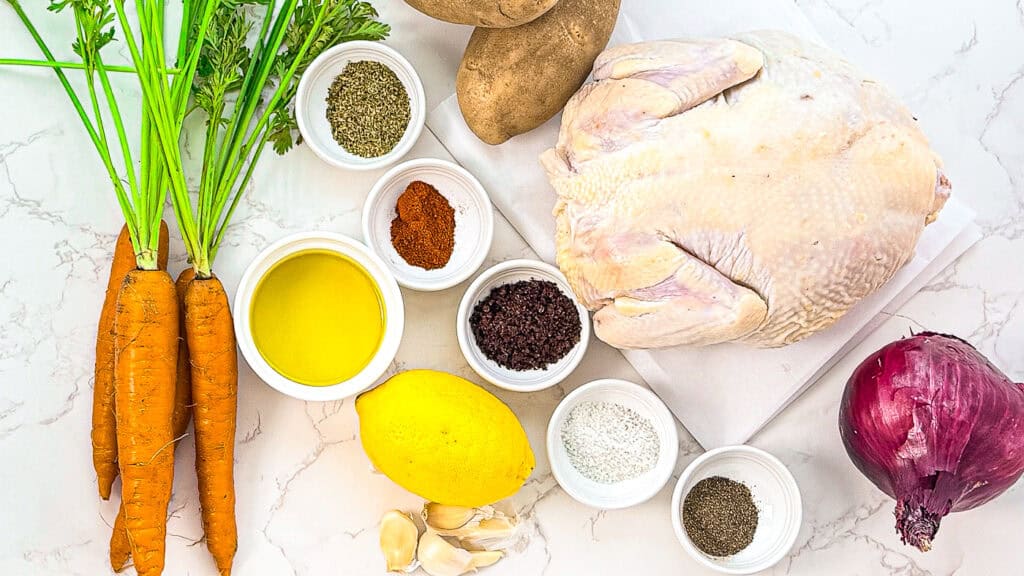
- 5 pound whole chicken
- 2 tbsp ground sumac
- 1 tsp black pepper
- 1 tbsp paprika
- tbsp Greek oregano
- 6 cloves garlic
- 1 whole lemon, zested
- 1 lemon, halved
- 1/4 cup extra virgin olive oil
- 1 large red onion thickly sliced
- 4 carrots cut into large pieces
- 2 potatoes cut into chunks
Instructions
Prep the chicken
- Pat the 5 pound whole chicken dry very well, this is the key for crisp skin. Gently loosen the skin over the breasts and thighs with your fingers.
Make the sumac rub
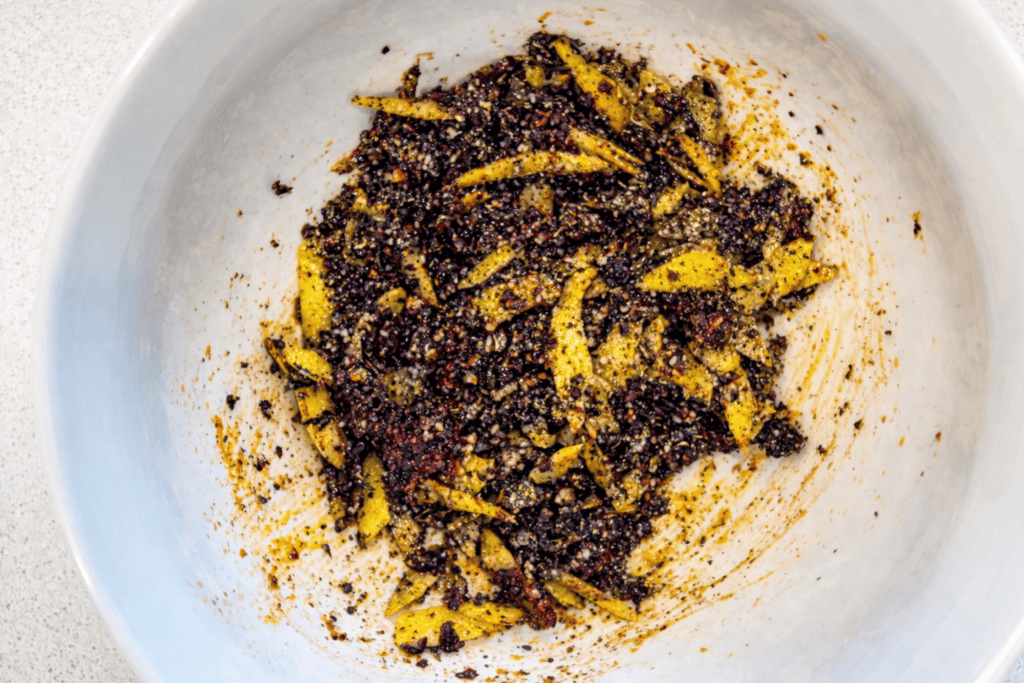
- In a bowl, mix 1/4 cup extra virgin olive oil, 2 tbsp ground sumac, tbsp Greek oregano, 6 cloves garlic, 1 whole lemon, zested, 1 tbsp paprika, 1 tsp black pepper.

Build the roasting base
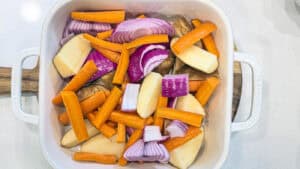
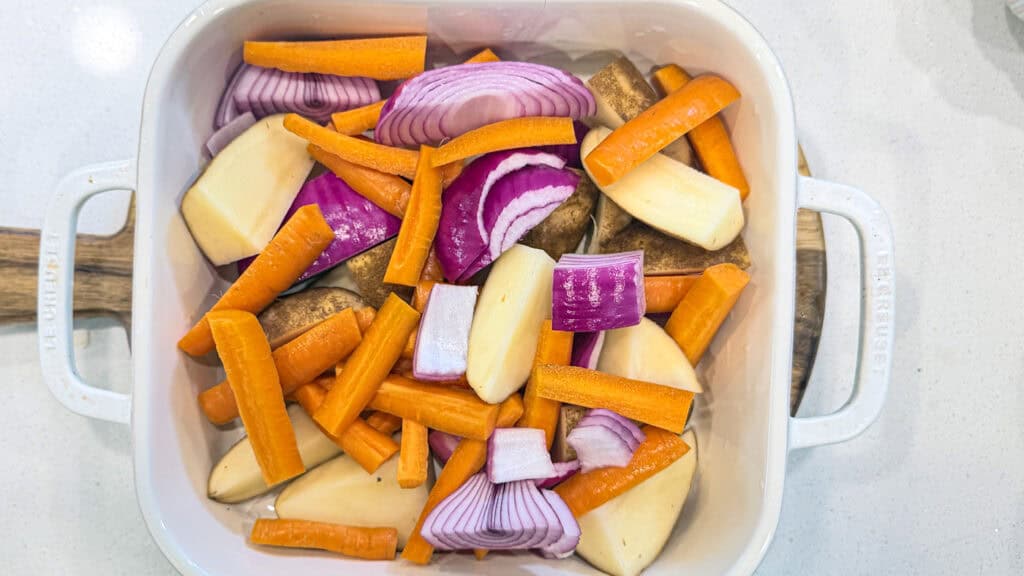
- Scatter 1 large red onion, 4 carrots, 2 potatoes. Drizzle with a little olive oil, and a pinch of sumac.

Season deeply
- Rub half the mixture under the skin and the rest all over the outside. Place the 1 lemon, halved inside the cavity. Place the chicken on top of the vegetables.
Roast
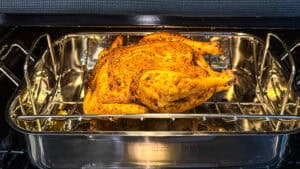
- Roast at 425F for 20 minutes, then reduce the heat to 375F and continue roasting 55-70 minutes, until the thigh reaches 165F.

Rest & serve
- Let the chicken rest 10-15 minutes. Spoon the sumac-lemon pan juices over the caved chicken.

Nutrition
Shopping List: Sumac Roasted Whole Chicken
Protein:
- 4-5 lb Whole Organic Chicken
Produce:
- Lemon
- Large Red Onion
- 4 Carrots
- 2 Potatoes
- Lemon
Pantry:
- Extra Virgin Olive Oil
- Ground Sumac
- Black Pepper
- Paprika
- Greek Oregano
- Garlic

Sumac Roasted Whole Chicken Ingredients
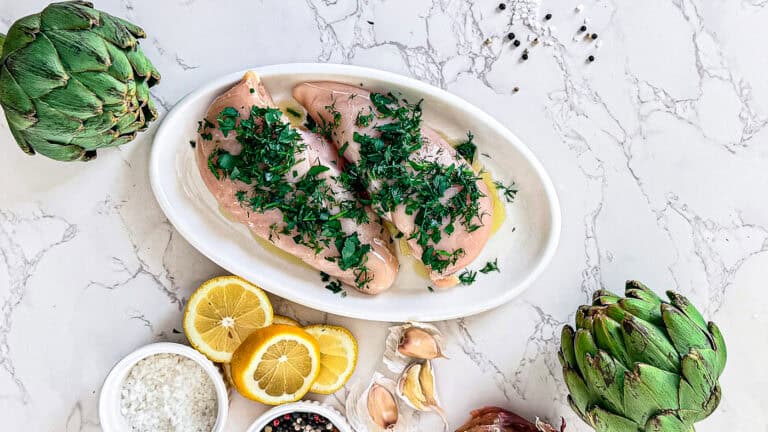
Every ingredient in this recipe has a job to do. They’re not just here to make things taste good, though that’s a nice bonus. Each one brings something to the table, literally. I used to wonder if it really mattered, but after a few too many bland chickens, I learned my lesson. Here, I’ll walk you through what each ingredient actually does, so you can see how these Mediterranean basics team up to make a sumac roast chicken that’s bright, juicy, and the kind of reliable you can count on after a long day.
Sumac
Sumac is one of those secret weapons I reach for when I want a pop of lemony brightness, but without making everything soggy. It somehow manages to keep the skin crisp, which always feels like a small kitchen victory.
Extra Virgin Olive Oil
A good drizzle of olive oil wakes up the sumac and somehow manages to sneak all that bright flavor right under the skin, where it actually matters. I like to think of it as the secret handshake between pantry staples.
Garlic + Oregano
Garlic and oregano are the kind of kitchen staples that make you feel like you know what you’re doing, even if you’re just tossing them into a pan and hoping for the best. They’re classic Eastern Mediterranean aromatics, and honestly, they have a way of making everything taste a little more like you meant it.
Lemon and Lemon Zest
Lemon zest is my secret for waking up a dish when it’s feeling a little flat. It brings that bright, citrusy spark without turning your spice rub into a puddle. Trust me, your taste buds will notice.
Root Vegetables
Root vegetables are the unsung heroes of my kitchen. When I roast a chicken, I scatter them underneath, letting them do double duty as a built-in roasting rack. They soak up all those tangy drippings, turning into something so good, I sometimes forget about the main event entirely.
Substitutions for the Sumac Roasted Whole Chicken
- Sumac: Mix equal parts lemon zest and smoked paprika. It’s not exactly the same, but you’ll still get that pop of brightness and a little color that will be close enough for a weeknight dinner.
- Oregano: Grab some za’atar if you have it. The sesame seeds and herbs bring a little extra depth, and honestly, it makes everything taste a bit more interesting.
- Red Onion: You can use shallots or even chunky wedges of yellow onion.
- Carrots & Potatoes: If you need to replace the carrots or potatoes, fry parsnips, fennel, or cauliflower florets instead. They make for a lighter, GLP-1 friendly base.
- Olive Oil: Use Ghee instead. It gives everything a richer, golden finish that feels a little bit fancy.

How to Make Sumac Roasted Whole Chicken
To roast a whole chicken, all you need is a sturdy roasting pan, a casserole dish, or even a rimmed baking sheet. Use what you have on hand that’s oven-proof and large enough to hold the chicken comfortably. You don’t need any special equipment or fancy racks.
- Pat the chicken dry. Really dry. I used to skip this step, thinking it couldn’t possibly matter that much, but trust me, moisture is the enemy of crispy skin. Learn from my soggy-skinned mistakes.
- Grab a bowl and pour in the olive oil, sumac, oregano, paprika, and a bit of zest. Give it a quick stir, nothing fancy, just enough to bring everything together. If you’re like me, you might pause to breathe in that bright, citrusy smell and feel a little proud that you’re already halfway to something delicious.

- Gently work half the mixture under the skin, yes, it feels a little odd, but trust me, it’s worth it. Spread the rest over the outside like you’re giving the chicken a spa day. Tuck the lemon halves inside the cavity, as if you’re sending it off with a little care package.

- Use carrots, onions, potatoes, or fennel as your roasting rack. They’ll lift the chicken up and soak up all those savory drippings, turning into the kind of caramelized, tangy vegetables you end up eating straight from the pan, fork in hand, before anyone else even knows dinner’s ready.
- If you have leftovers, don’t even think about tossing them. Those veggies are pure gold. Chop them up for salads or grain bowls, or stir them into soups for a little extra flavor. It’s the easiest way to give your meals a Mediterranean boost and keep food waste to a minimum.

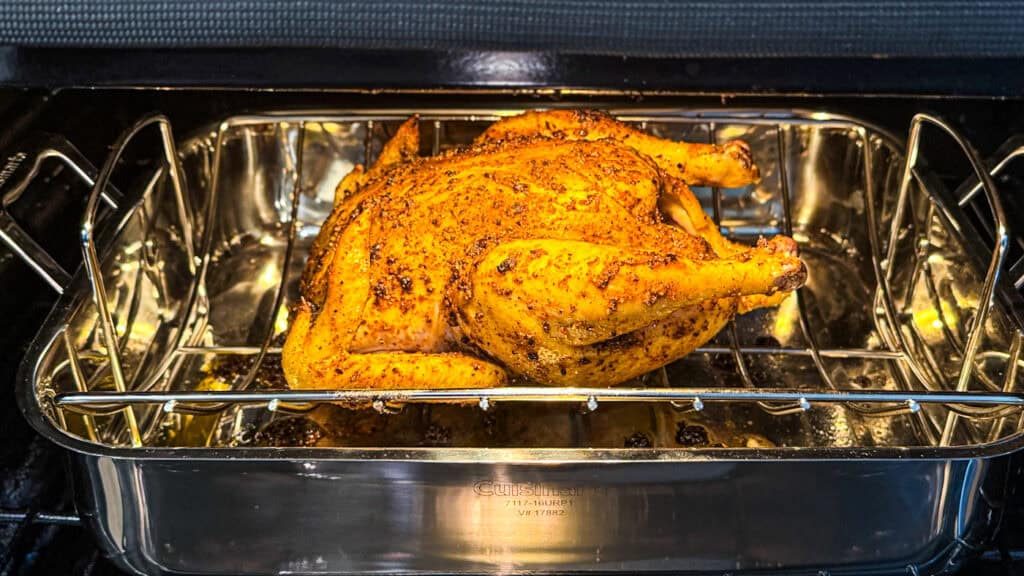
- Place the chicken on top of the vegetables. Roast at 425F for 20 minutes, then reduce heat to 375F and continue roasting 55-70 minutes.

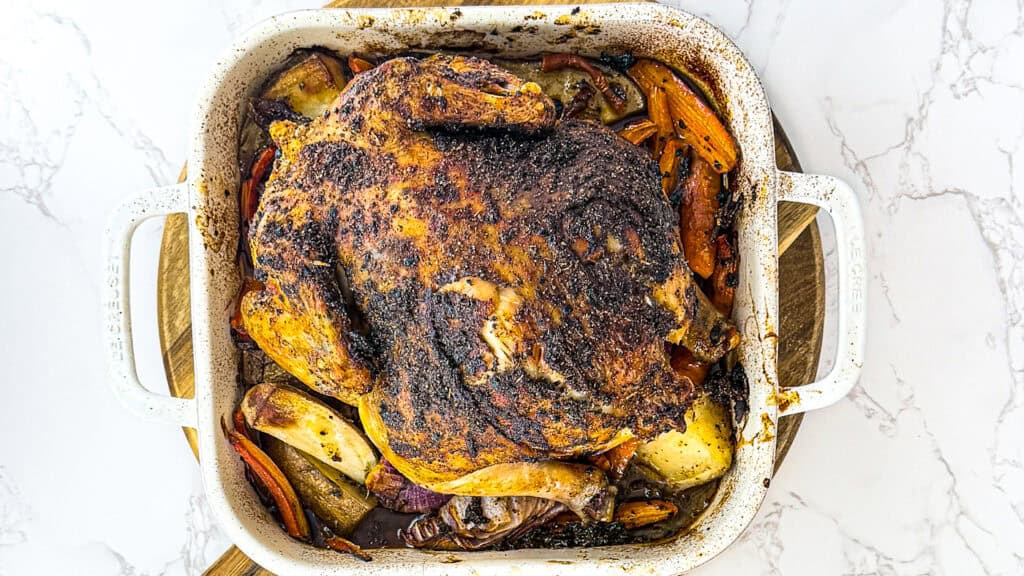
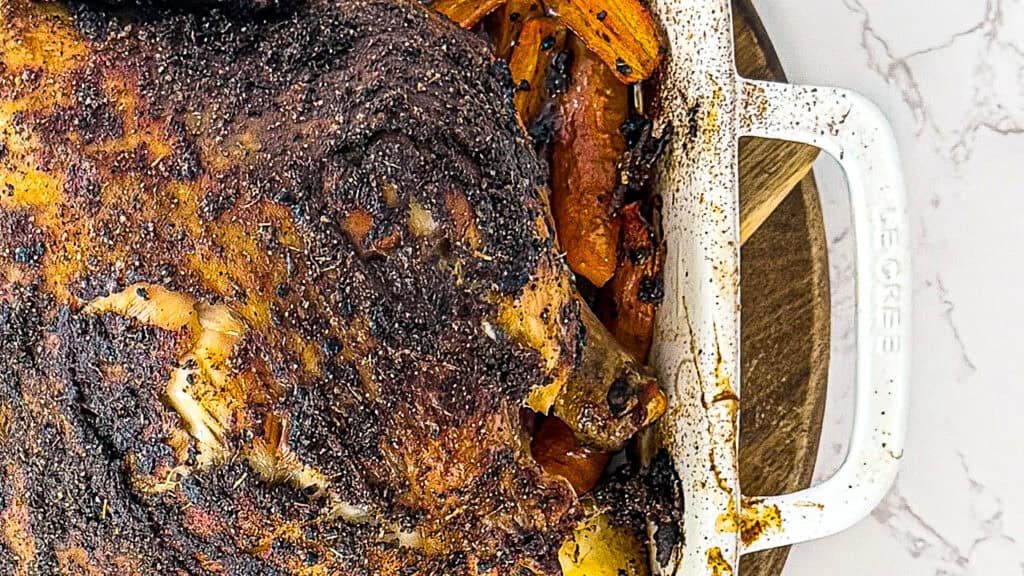
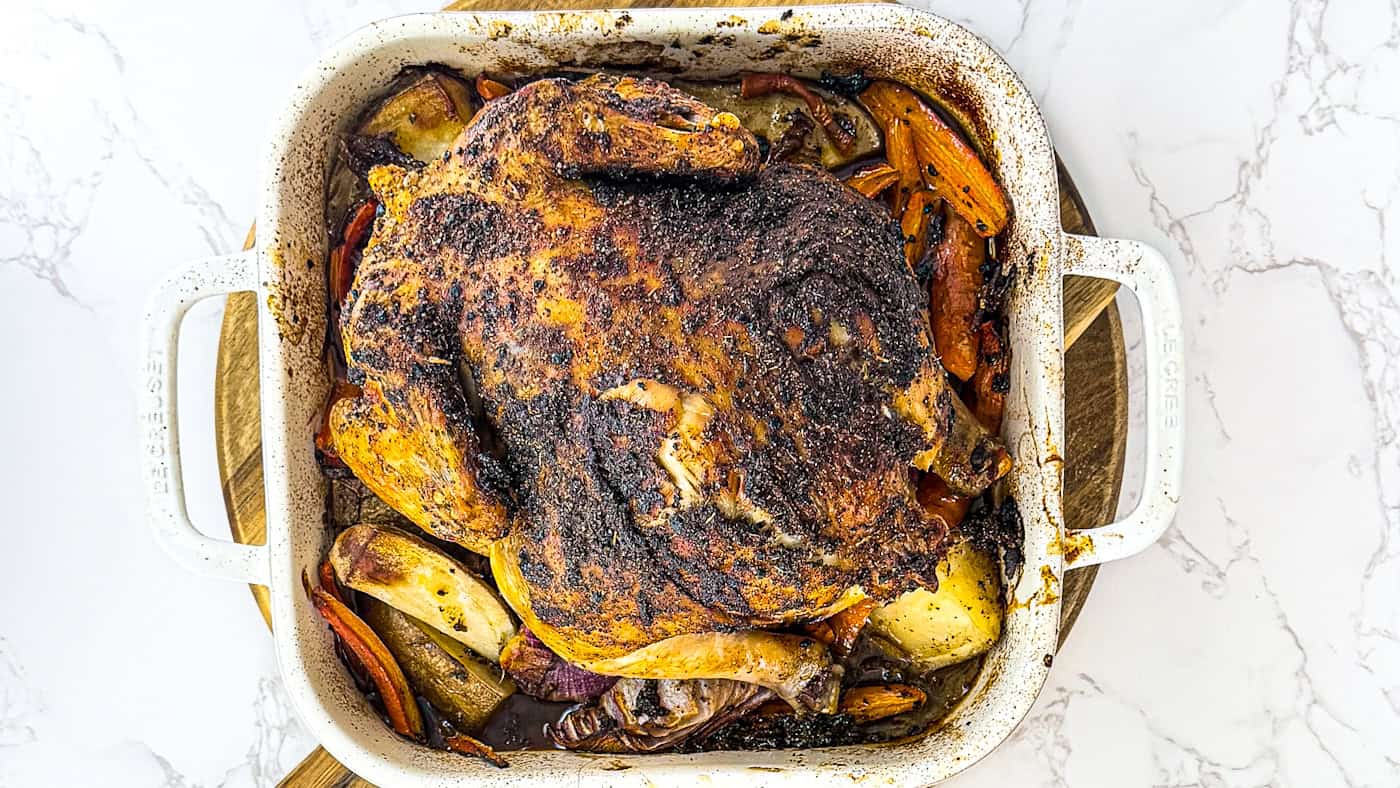
- You’ll know it’s done when the skin is deeply golden and crisp, and the house smells irresistibly savory. When you pierce the thickest part of the thigh with a knife or skewer, the juices should run clear, not pink or rosy. The legs will feel loose and wiggle easily in their sockets.
- You can also gently press the drumstick or breast with the back of a spoon or your finger; the meat should feel firm and spring back lightly, not soft or rubbery. As you lift the bird with tongs or a spatula, check whether the juices at the bottom of the pan are golden and clear. Another good sign: the meat begins to slightly pull away from the tips of the leg bones, exposing a bit more bone than when you started roasting.
- If you have a thermometer, the thickest part of the thigh should read 165°F, but even without it, these visual and tactile cues make it easy to check for doneness and give you confidence that your chicken is ready.
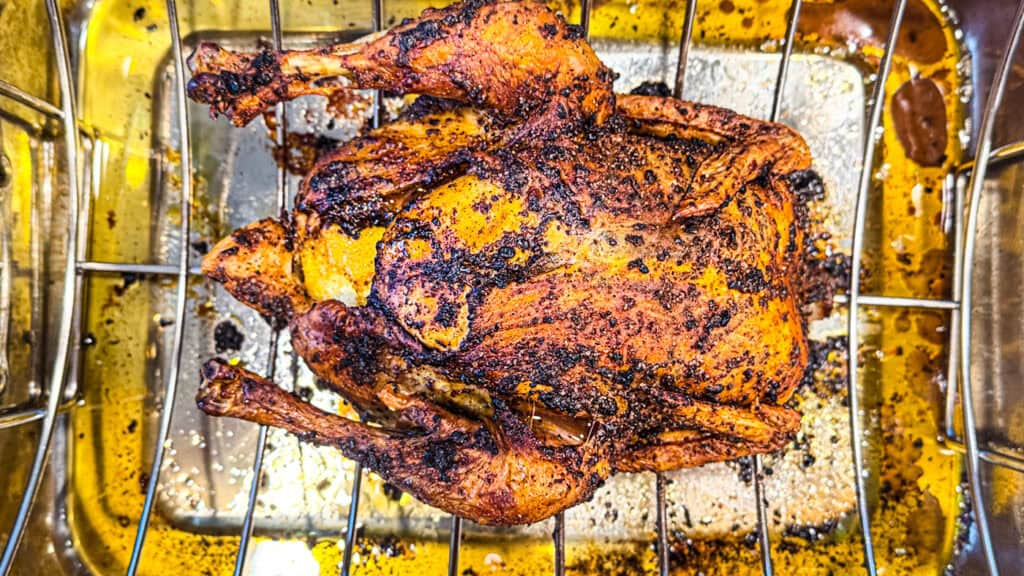
- Let the sumac roast chicken rest. I know it’s tempting to dive in the second it comes out of the oven, I’ve definitely been there, but this is the secret to keeping all those good juices in the meat instead of running all over your cutting board.
This is the heart of the whole process, the part where real-life kitchen mess meets actual results. Once your chicken is roasted, let’s talk about carving it up without stress, fancy knife skills, or pretending you’re on a cooking show.


How to Carve a Whole Chicken (Realistically)
Carving a chicken is never glamorous, and honestly, it doesn’t need to be. The goal is just to get the pieces off cleanly and keep the meat juicy. If things look a little messy along the way, you’re in good company. I’ve never seen a pro chef fuss over making this step look pretty, and I certainly don’t.
Here’s the simplest way to break it down:
- Remove the legs first: Pull each leg outward and slice through the joint. You don’t need anything fancy; a sharp chef’s knife or a sturdy kitchen knife works perfectly for this step. It will give easily when the chicken is fully cooked.
- Separate the thighs and drumsticks: Cut through the natural seam between them.
- Take off the wings: A quick slice through the joint is all it takes.

Remove the breasts : Run your knife along the breastbone, then angle it outward to release each breast in one clean piece.

Slice or shred as needed: I shred and separate each breast into freezer safe bag, both thighs into a bag, and the legs and wings into a final bag for four meals for two.

Mediterranean Meal Prep: Sumac Roasted Whole Chicken
One of my favorite things about roasting a whole chicken is just how far it stretches. With a little planning, that one bird becomes the backbone of several meals. After roasting, I portion the meat into a few freezer bags, one for each breast, another for the thighs, and a third for the legs and wing meat. Suddenly, weeknight dinners feel a lot less overwhelming, and you get to feel like the kind of person who has it all together, at least for a few days.
The suggestions below aren’t a strict plan, just ideas to make weekday meals feel a little easier and a lot more Mediterranean.
Lemon Herb Chicken Bowl
Mix cubed chicken breast with farro, parsley, cucumber, and cherry tomatoes, then drizzle with a lemony Greek yogurt sauce for a zesty lunch.

Chicken Orozo Soup
Shred the leg and wing meat, then add it to orzo, blended roasted vegetables, and bone broth for a delicious, savory soup ready in 30 minutes.
Shred the thigh meat and toss it with cucumbers, tomatoes, olives, and a good squeeze of lemon. The sumac chicken gives even the simplest salad a little extra depth and makes it feel special.

Crispy Chicken Thigh Flatbreads
Take shredded thigh meat, warm flatbread, roasted peppers, olives, and a swipe of whipped feta.

Sheet Pan Chicken Nachos
Shred the last chicken breast, toss it over baked tortilla chips, then toss on shredded cheese and warm. Top with your favorite fixings and enjoy.
A whole chicken isn’t just dinner, it’s a little gift to your future self. With a bit of prep, you’ve got the makings of a week’s worth of meals, and suddenly those weekday dinners don’t feel quite so daunting.

How to Use the Bones and Skin; Zero Waste Cooking
Once you’ve picked the meat clean, don’t even think about tossing those bones. In Mediterranean kitchens, nothing goes to waste, and a chicken carcass is just waiting to become broth. It’s simple, budget-friendly, and honestly, there’s something deeply satisfying about making your own. Plus, it makes you feel like you’ve unlocked a secret level of kitchen confidence.

Make a golden, mineral‑rich broth.
I like to toss the bones and skin into a pot with onion, garlic, fresh herbs, lemon, carrots, celery, and peppercorns. These simple add-ins lift the broth and give it that deeper, zesty flavor that tastes like something you’d get at a restaurant, only you made it at home, in your comfiest sweatpants.
For the best results, let everything bubble gently for 2 to 4 hours, depending on your schedule. Or, toss everything into a slow cooker or Instant Pot. A slow cooker makes broth on autopilot while you go about your day, and the Instant Pot delivers deeply flavorful broth in about an hour.
However you make it, the longer it simmers, the richer and more flavorful your broth will be.
Refrigerate to use during the week or freeze for future meals.
To store your broth, let it cool to room temperature, then strain it and pour it into a container. I keep mine in the refrigerator as I will make soup early on. If you won’t be using it soon, store it in freezer-safe containers, leaving a little space at the top so it has room to expand as it freezes. Label each container with the date. It’ll store in the fridge for 5 days, and up to 6 months in the freezer.
Use the broth to elevate simple dishes.
Cook your rice in it. Warm up beans in it. Pour a little into the sautéed greens. Good broth has a way of making even the plainest ingredients taste as you meant them to. With broth ready to go, you’ll have a healthy, flavorful base for quick soups, grains, or sauces, no extra effort required.
Zero-waste cooking isn’t just about saving scraps. It’s about squeezing every bit of nourishment out of what you have. Turning bones into broth is one of those small habits that quietly make your kitchen feel a little more resourceful, and a lot more satisfying.
Storage & Reheating the Sumac Roasted Whole Chicken
Refrigerator
Store carved chicken in an airtight container for up to 4 days.
Freezer
Freeze cooked chicken for up to 3 months. Freeze broth for up to 6 months.
Reheating
- Reheat gently in a covered skillet with a splash of broth or water to keep things moist.
- You can also warm the chicken in a low oven (around 300 degrees Fahrenheit), covered with foil, which helps preserve the texture and keeps everything from drying out.
- If you are using a microwave, place the chicken in a microwave-safe dish, add a splash of broth or water, and cover it loosely with a microwave-safe lid or damp paper towel. Reheat on low or medium power in short intervals, checking and stirring gently until heated through. This helps keep the meat tender and prevents it from drying out. Avoid microwaving on high, as it dries out faster than you’d think.
- For food safety, always reheat chicken and broth until piping hot throughout, leftovers should reach at least 165 degrees Fahrenheit before serving.
- If reheating from frozen, thaw safely in the refrigerator overnight or use a gentle defrost setting in the microwave.
A few simple steps, and suddenly you’ve got a week’s worth of good meals. That’s my kind of kitchen win. If this is your first time roasting a whole chicken, just remember, every cook started somewhere. Each try will make you a little more confident, and before you know it, you’ll have this down to a calm, cozy routine. Trust yourself, enjoy the process, and know that a truly great roast is just a little practice away.
Frequently Asked Questions about the Sumac Roasted Whole Chicken
It was likely too wet. Pat it dry thoroughly before seasoning.
The oven may not have been hot enough, or the chicken may have steamed instead of roasted. Make sure it’s elevated on vegetables or a rack.
The thigh should reach 165F, and the juices should run clear.
Yes, za’atar includes sumac, herbs, and sesame seeds. It creates a slightly different flavor, but sill works beautifully.
Yes. Add or subtract 10-15 minutes of cook time per pound.
Absolutely. Season the chicken up to 24 hours in advance and refrigerate uncovered for even crisper skin.

If you make this recipe, I’d love to hear how it turned out on your end. Leave a comment below and let me know.
medical disclaimer
I share this post to provide helpful information and educational resources based on my own experiences and research. However, it’s important to remember that everyone’s health needs are unique, and this content is not a substitute for professional medical advice. If you’re considering any changes to your diet, supplements, or overall health routine, I strongly recommend consulting with your doctor or a qualified health professional first. They can offer personalized guidance based on your individual health history and needs.