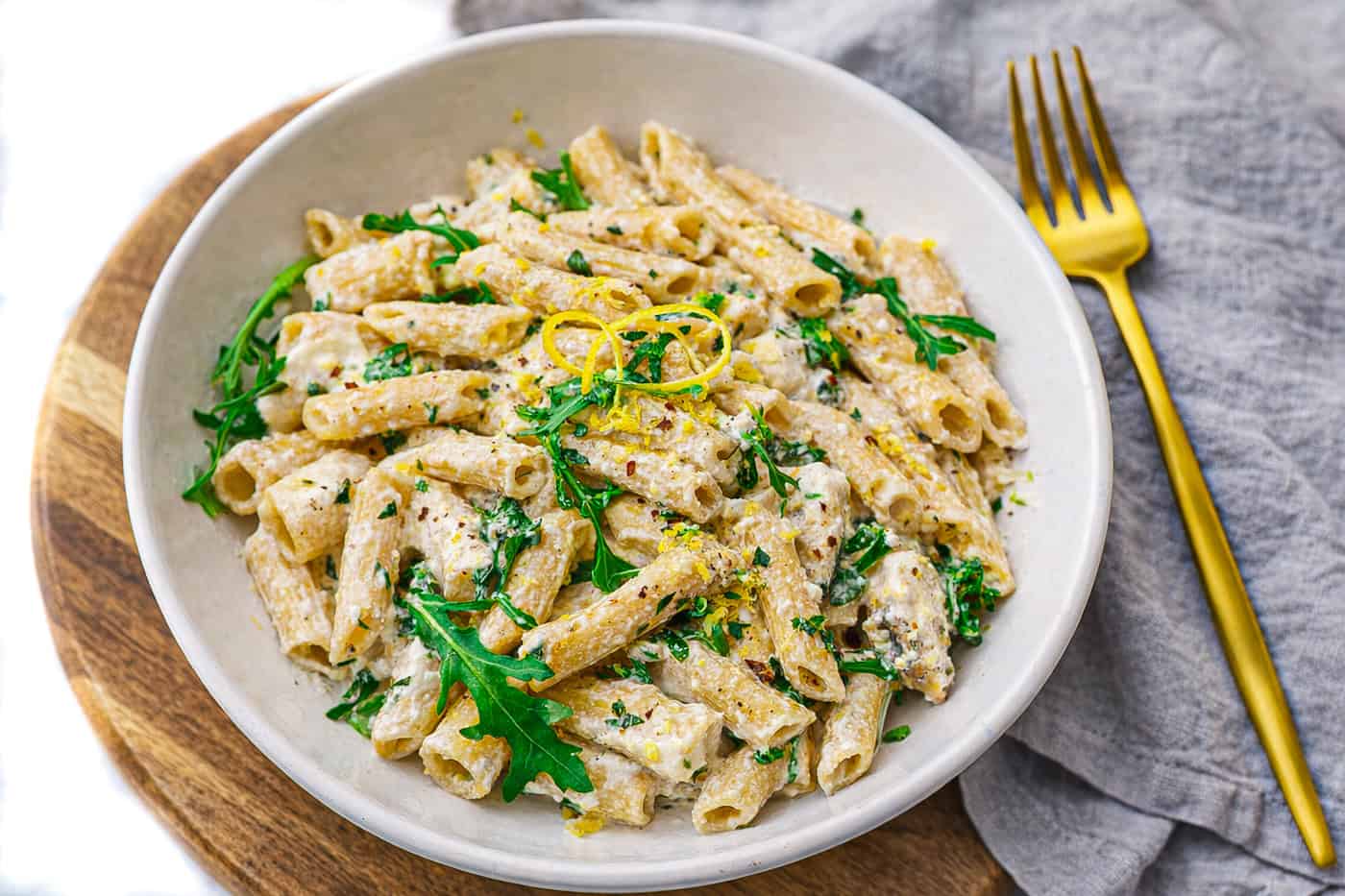
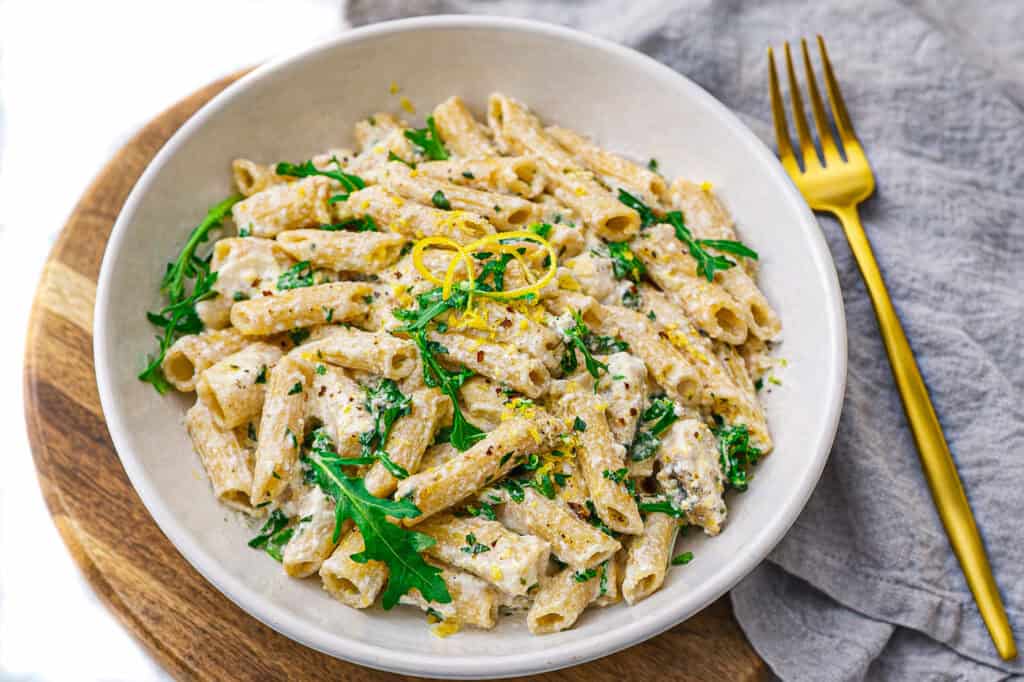
My Lemon Ricotta Protein Pasta is one of those meals that feels like it should require more effort than it actually does. You get all the creamy, sunshiny flavors of the Mediterranean, but without breaking a sweat. The ricotta melts into a silky sauce, the lemon zest and arugula keep things bright, and suddenly you’ve got comfort food that somehow feels like a little vacation. But, if you’re not feeling like pasta tonight, or if you want something meal prep friendly, try my Tender Pot Roast with Carrots and Onions.
Protein pasta is my secret weapon here; it’s sturdy, filling, and still manages to taste like real pasta (which, let’s be honest, is not always a given). The sauce is just ricotta, olive oil, lemon, and a little red pepper. It’s the kind of thing you could eat in your pajamas and still feel like you should be pouring yourself a glass of wine. Wholesome doesn’t have to be complicated.
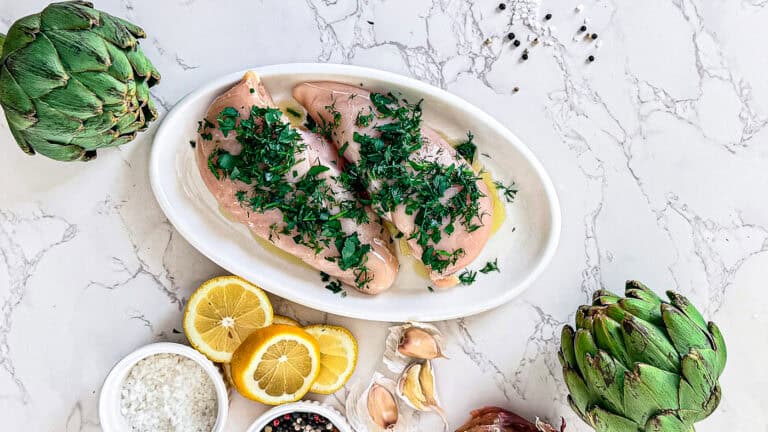
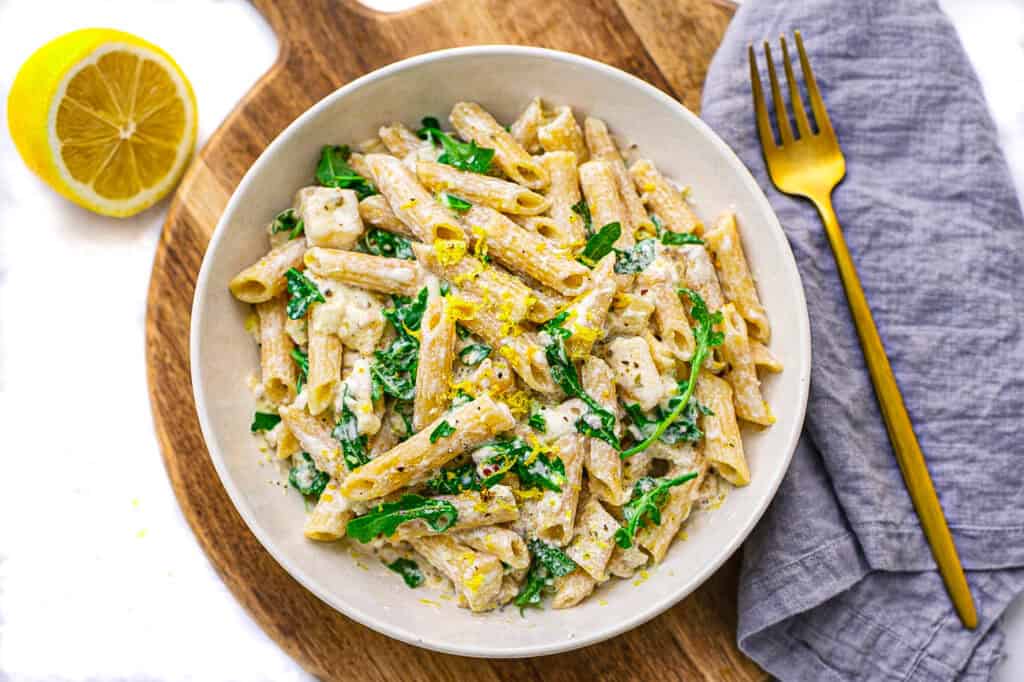
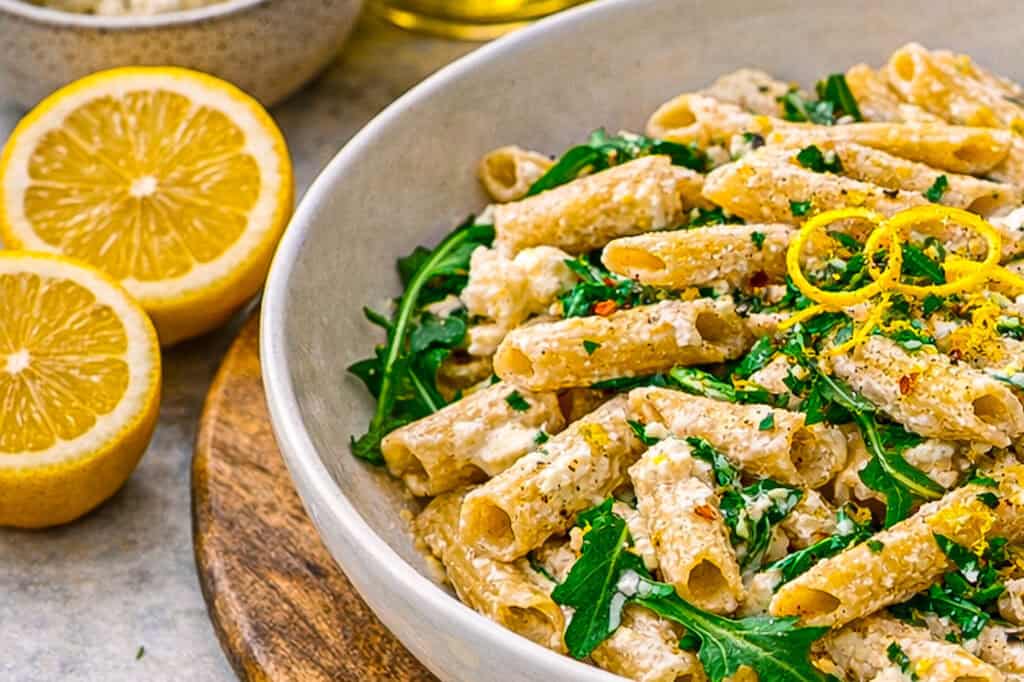
I like to serve this straight from the pan, with a shower of lemon zest and a handful of torn basil. The warm pasta and cool citrus do this little dance that somehow makes dinner feel both grounding and a tiny bit fancy. It’s the kind of meal that leaves you feeling calm, nourished, and just a little bit spoiled. And, if you’re looking for more easy, use my Juicy Lemon Herb Chicken if you want a lemony chicken breast in the pasta, or my Sumac Rubbed Chicken, if you want a more savory tone to this dish.
Why You’ll Love this Lemon Ricotta Pasta
- Ready in 15 minutes with almost zero hands‑on cooking
- Over 30 grams of protein thanks to protein pasta + whole‑milk ricotta
- Creamy, bright, and comforting without feeling heavy
- Gentle on low‑appetite GLP‑1 days, soft textures, easy flavors, quick digestion
- Made with simple Mediterranean staples you already keep on hand
- Silky sauce comes together in one bowl, no roux, no fuss
- Feels like a restaurant dish but stays weeknight‑friendly
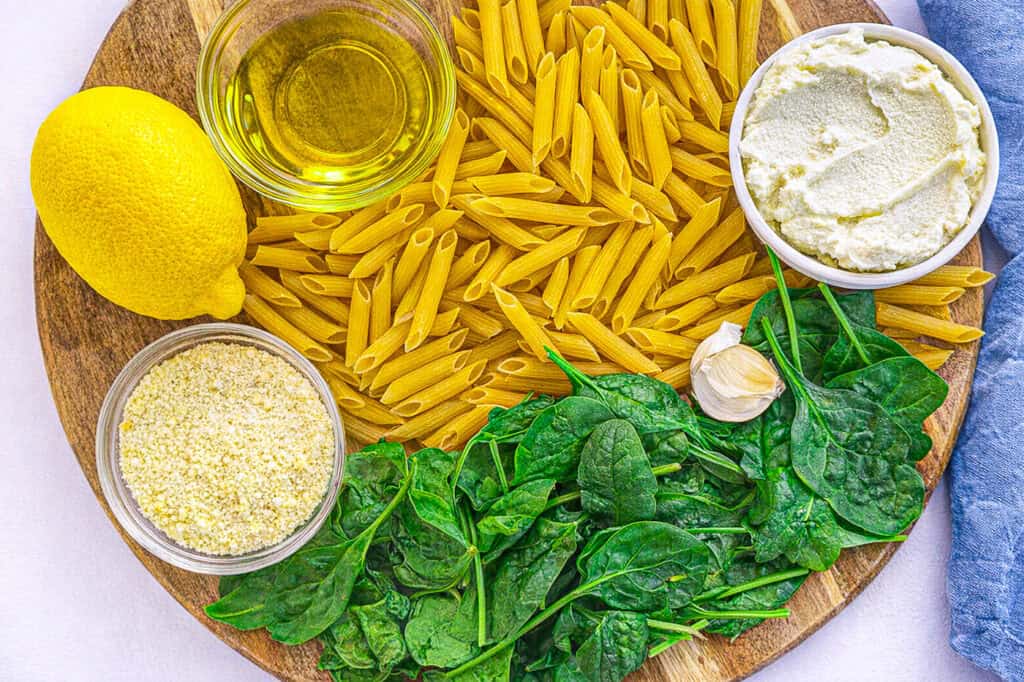
Lemon Ricotta Protein Pasta Ingredients
- Chicken Breast: Provides lean, hearty protein that complements ricotta and lemon, making the dish more satisfying.
- Whole Milk Ricotta: Serves as the creamy base, melting into a light yet rich sauce.
- Parmesan Cheese: Adds umami and sharpens ricotta while enhancing lemon’s brightness.
- Protein Pasta: Gives structure and fiber, holding the sauce while boosting nutrition.
- Sea Salt: Enhances every ingredient’s natural flavor, especially the ricotta and lemon.
- Pepper: Adds gentle heat and earthiness, grounding the brightness.
- Red Pepper Flakes: The finishing spark. They punctuate the creaminess with warmth and color, giving the dish that photogenic, flavor‑forward edge.
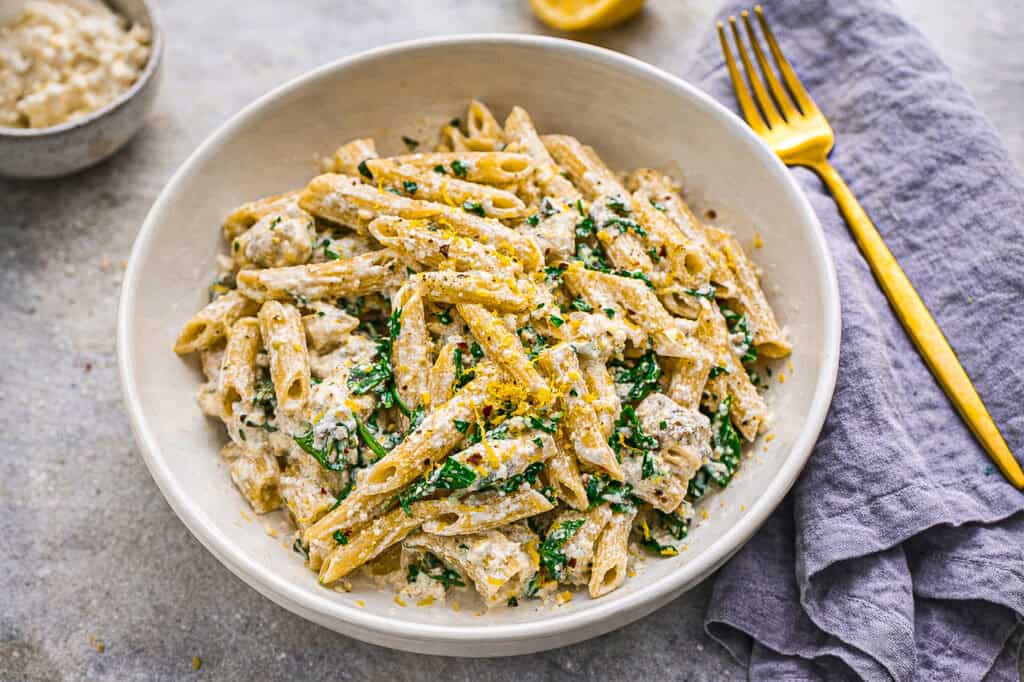
Substitutions for the Lemon Ricotta Protein Pasta
If you’re standing in your kitchen, staring at the pantry and realizing you’re missing something (been there), here are my favorite Mediterranean-ish swaps that keep the protein up and the flavors bright:
- Protein Pasta: If you’re out of chickpea or lentil pasta, use whole wheat pasta for fiber or fiber-enriched white pasta. If you want to skip grains entirely, zucchini noodles or spaghetti squash work, though you’ll lose the primary protein source.
- Whole-Milk Ricotta: Swap it for low-fat cottage cheese (blend it first for a similar silky texture) or Greek yogurt. If using yogurt, add it while the mixture is off the heat to prevent curdling.
- Grated Parmesan: Use Pecorino Romano for a saltier kick or nutritional yeast for a dairy-free umami flavor.
- Extra-Virgin Olive Oil: A small pat of grass-fed butter or avocado oil works in a pinch, though you’ll miss that signature peppery Mediterranean finish.
- Fresh Basil or Arugula: Use fresh parsley or baby spinach. If you only have dried herbs, use 1 teaspoon of dried basil or oregano whisked into the ricotta.
- Fresh Lemon: If you don’t have a fresh lemon, use 1 tablespoon of apple cider vinegar or white wine vinegar. It provides the necessary acidity to cut through the richness of the cheese.
- Garlic Clove: Replace 1 clove with 1/2 teaspoon of garlic powder, or sauté 1 teaspoon of shallots in the oil first.
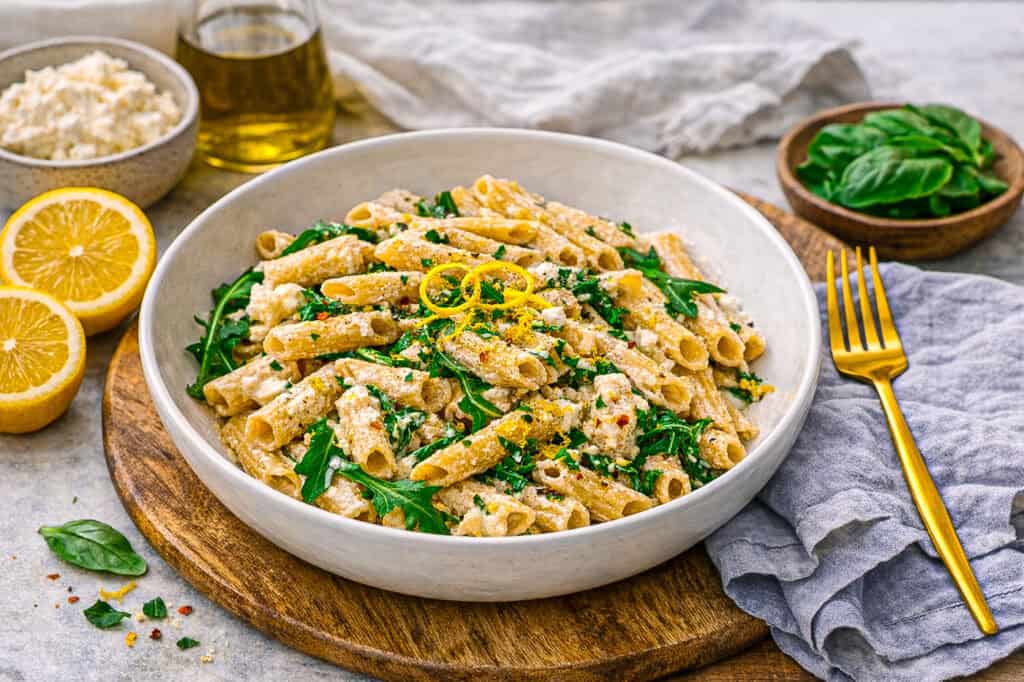
How to Choose the Best Ingredients
- Chicken Breast: Look for meat that is consistently healthy pink, firm, and plump. Check for ‘white striping’ and avoid it. If available, choose ‘air-chilled,’ as it tastes better.
- Lemons: Pick ones that are heavy, have thin, smooth skin with a fine grain, and are a bright and vibrant yellow
- Garlic: The bulbs should be firm and tight with no sprouts.
- Extra Virgin Olive Oil: Choose oil in a dark glass bottle or a tin.
- Whole Milk Ricotta: Choose whole milk only, It’s light and creamy with a slightly grainy texture and delicate flavor. Look for brands with 2–3 ingredients max: milk, vinegar, salt. Skip anything with gums or stabilizers; they dull the flavor.
- Parmesan Cheese: Buy a wedge, not pre‑grated. Look for Parmigiano‑Reggiano stamped on the rind. It should smell nutty and sharp, not sour.
- Basil: leaves should be vibrant, not bruised or blackened.
- Arugula: look for crisp, dry leaves; avoid bags with moisture or yellowing. Smell them, they should be fragrant, not grassy.
- Protein Pasta: Choose shapes with ridges (penne, rigatoni), they hold creamy sauces better. Look for brands with cleaner ingredient lists (chickpea, lentil, or enhanced wheat). Avoid anything that smells strongly beany when dry.
- Sea Salt: Fine sea salt dissolves quickly and seasons evenly. Look for unrefined salts with natural minerals for better flavor.
- Black Pepper: Whole peppercorns are best; grind fresh for brightness. Look for Malabar or Tellicherry for a rounder, warmer flavor.
- Red Pepper Flakes: Choose deep-red flakes, not pale or dusty. Fresher flakes smell fruity and spicy, not flat.
How to Make the Lemon Ricotta Protein Pasta
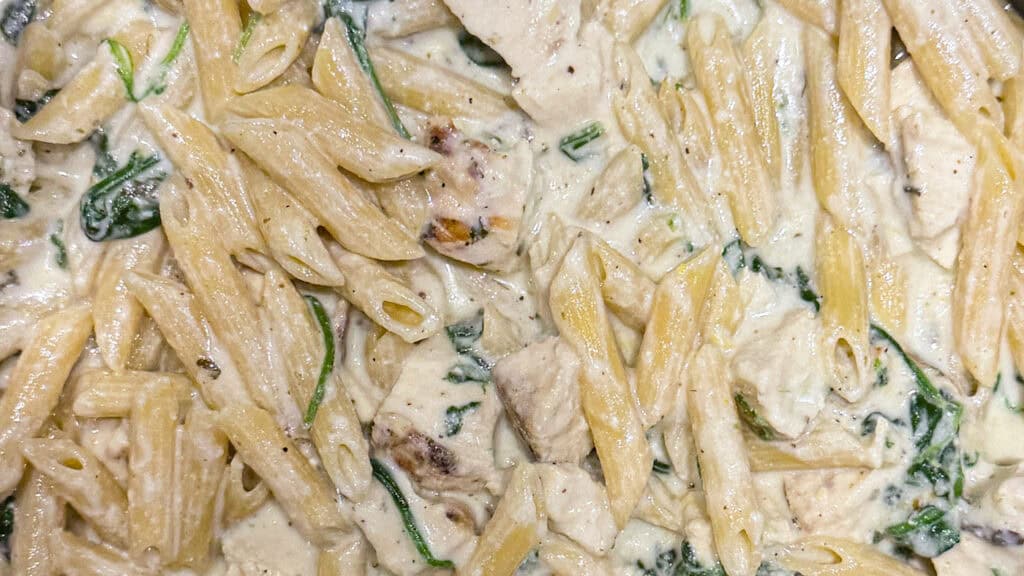
- Bring a pot of salted water to a boil. Cook protein pasta until just al dente. Reserve 1/4 cup of pasta water before draining.
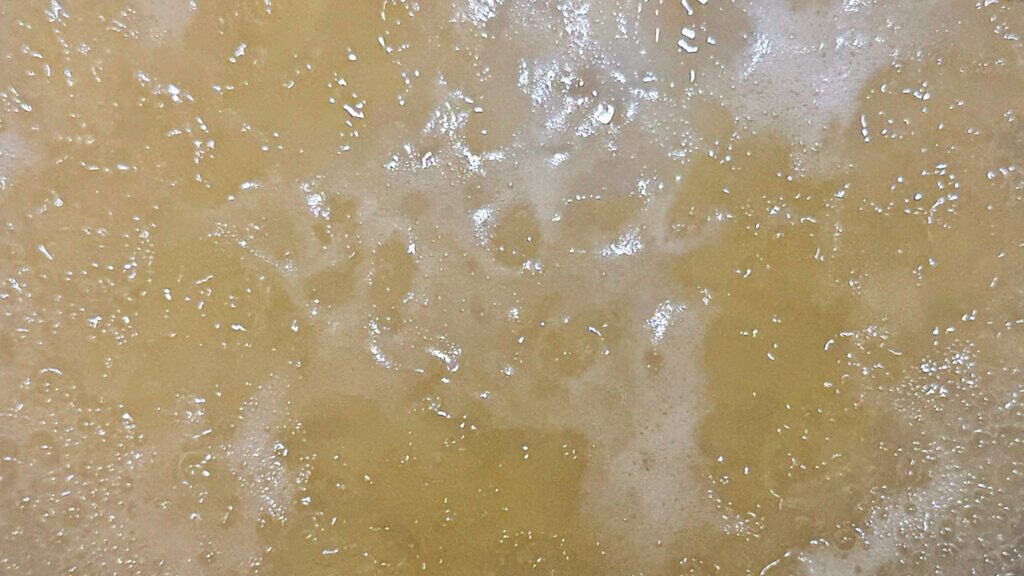
- In a bowl, whisk ricotta, lemon zest, lemon juice, olive oil, Parmesan, garlic, salt, and pepper until creamy.
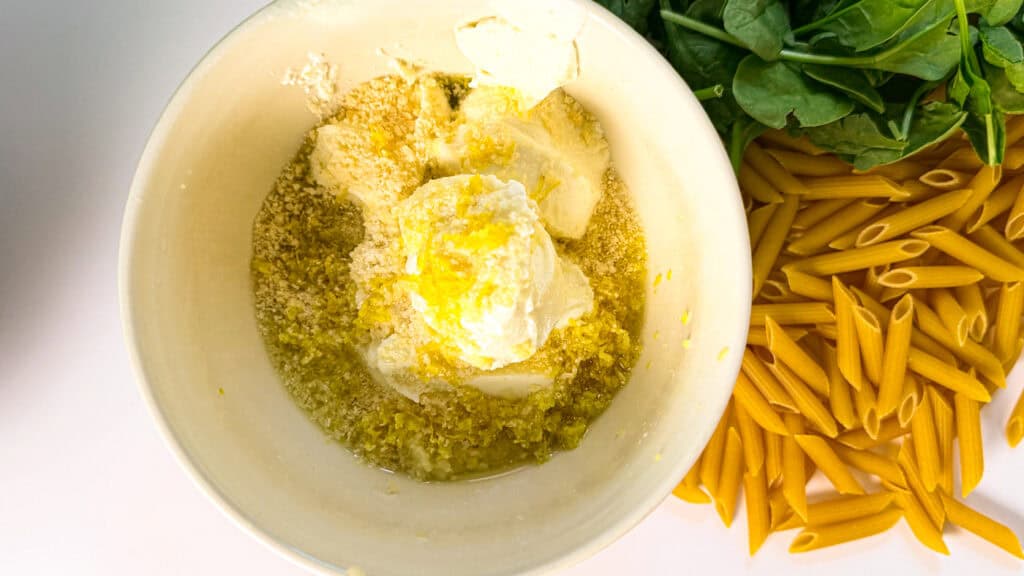
- Add a splash of warm pasta water to the ricotta mixture and whisk until silky and spoonable. Toss hot pasta with the sauce until glossy. Add more pasta water as needed to achieve a creamy coating. Top with basil or arugula, extra lemon zest, black pepper, and red pepper flakes.
Expert Tips for the Best Lemon Ricotta Protein Pasta
Here are the expert‑level, quietly powerful tips that make this Lemon Ricotta Protein Pasta turn out silky, bright, and restaurant‑level every time. These are the things seasoned cooks do instinctively — the micro‑moves that elevate a simple dish into something polished and memorable.
- Treat the ricotta like a sauce base, not a topping: Whisk the ricotta with a splash of hot pasta water before adding it to the pan. This prevents graininess and gives you that glossy, spoon‑coating texture. Whole‑milk ricotta melts more smoothly than part‑skim; it’s worth it.
- Use lemon in two different ways: Zest for aroma, juice for brightness. Add zest early so the oils bloom into the sauce; add juice at the end so it stays fresh and vibrant. Taste as you go, protein pasta absorbs acidity differently than wheat pasta.
- Don’t overcook the protein pasta: Protein pasta goes from perfect to mushy in a matter of seconds. Pull it 1–2 minutes early. It continues cooking in the sauce, which helps the ricotta cling to the ridges.
- Build flavor in layers: Sauté garlic gently, don’t brown it. Browning makes the sauce taste bitter against the lemon. Add parmesan gradually so it melts into the ricotta instead of clumping.
- Use pasta water like a seasoning tool: Add it a tablespoon at a time until the sauce loosens and turns glossy. Protein pasta water is starchier, which actually helps emulsify the sauce beautifully.
- Add greens at the very end: Basil bruises and turns dark if heated too long. Arugula wilts instantly, fold it in right before serving so it stays bright and lively.
- Season at the end, not the beginning: Ricotta and Parmesan both contain salt, and protein pasta varies by brand. Taste the finished sauce after everything is combined, then adjust salt, pepper, and lemon.
- Finish with heat + freshness: A pinch of red pepper flakes wakes up the creaminess. A squeeze of lemon or a dash of zest right before serving makes the whole dish taste cleaner.
Storing and Reheating the Lemon Ricotta Protein Pasta
Refrigerate: Store leftovers in an airtight container for up to 3 days. The sauce will thicken as it chills, totally normal for ricotta‑based pastas.
Reheat Gently: Warm in a skillet over low heat with a splash of water, broth, or a squeeze of lemon to loosen the sauce. Stir until creamy again. Avoid high heat so the ricotta stays silky instead of grainy.
Microwave Option: Heat in 30‑second bursts, stirring between each, adding a spoonful of water or broth as needed to bring back the creaminess.
Freezing: Not recommended, ricotta sauces tend to separate once thawed.
Low‑Appetite Tip: Reheat just a small portion and brighten it with fresh lemon zest or a handful of arugula. The gentle flavors and soft texture make it easy to enjoy even on slower‑hunger days.
Lemon Ricotta Protein Pasta
Equipment
- Stove
Ingredients
- 6 ounces penne pasta protein
- 1 cup ricotta whole milk
- 1 lemon zest + juice
- 2 cloves garlic
- 1 tbsp olive oil extra virgin
- 1/2 tsp sea salt
- 1/4 tsp black pepper
- 1/4 tsp red pepper flakes
- 1 cup cooked chicken breast cubed
- 1 cup arugula or basil
Instructions
- Bring a pot of salted water to a boil and cook the 6 ounces penne pasta until just al dente. Reserve 1 cup of pasta water before draining.
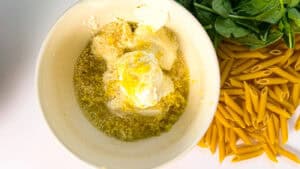
- In a bowl, whisk 1 cup ricotta, 1 lemon, 1 tbsp olive oil, 1/2 tsp sea salt, 1/4 tsp black pepper, 2 cloves garlic, minced. Add a splash of hot pasta water to loosen into a creamy sauce.
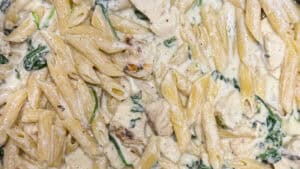
- Add the warm pasta to the sauce and toss gently, adding more pasta water as needed until glossy and smooth. Fold in 1 cup arugula (or basil), 1 cup cooked chicken breast. The greens should wilt slightly but stay vibrant.
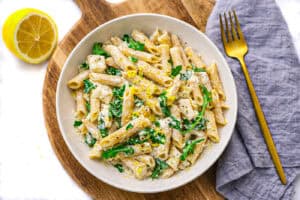
- Top with extra lemon zest, 1/4 tsp red pepper flakes, and a crack of black pepper and serve warm.
Notes
- Stop cooking the protein pasta 1 – 2 minutes early, it continues cooking in the sauce.
- Add zest early so the oils bloom into the sauce, add juice at the end so it stays fresh and vibrant.
- Reheat in a skillet on low heat with a splash of water.
Nutrition
Frequently Asked Questions
Whole milk ricotta melts into a smoother, silkier sauce. Part-skim works, but it won’t be as creamy and may need extra pasta water to loosen.
Yes, but gluten-free and legume-based pastas cook faster and can turn mushy. Pull them early and finish in the sauce to avoid overcooking.
Absolutely. You can skip the chicken or swap in shrimp, white beans, or roasted vegetables. The sauce stays the same.
Whisk ricotta with hot pasta water before adding it to the pan. This tempers the cheese, creating a smooth, glossy sauce.
Fresh lemon juice is best, bottled can taste flat and dull the sauce. Fresh zest is essential for aroma.
Arugula adds a peppery bite, basil adds sweetness and fragrance. Spinach works too, but it is milder.
It’s best fresh. Ricotta-based sauces thicken as they sit. If reheating, add a splash of water or broth to loosen the sauce.
Store in an airtight container for up to 3 days. Reheat gently, adding liquid to restore creaminess.
You can use dairy-free ricotta and parmesan alternatives, but the flavor will be different. Add extra lemon and herbs to brighten.
The red pepper flakes add warmth, not heat. Adjust to taste, or leave them out entirely.
If you make this recipe, I’d love to hear how it turned out on your end. Leave a comment below and let me know.
medical disclaimer
Everything I share at The Lemon Hearth comes from my own experience and research, not from a medical degree. I’m a real person on a GLP-1 journey, not a healthcare provider. What worked for me may not be right for you, and your doctor is always the right first call before changing your diet, supplements, or health routine. I’m here to share the food and the journey. Your doctor is there for the rest.