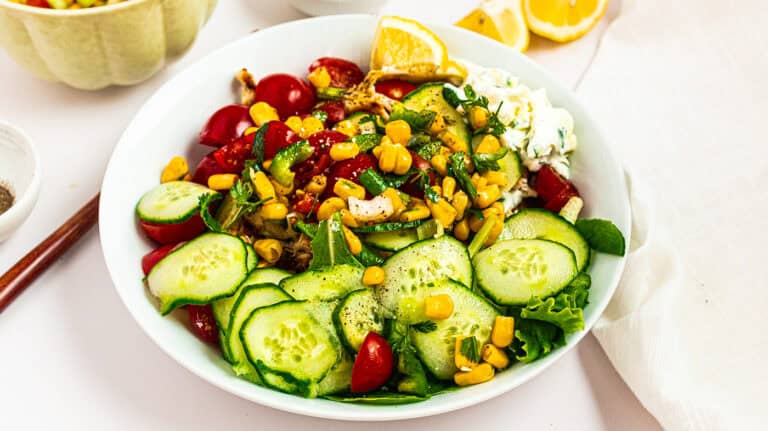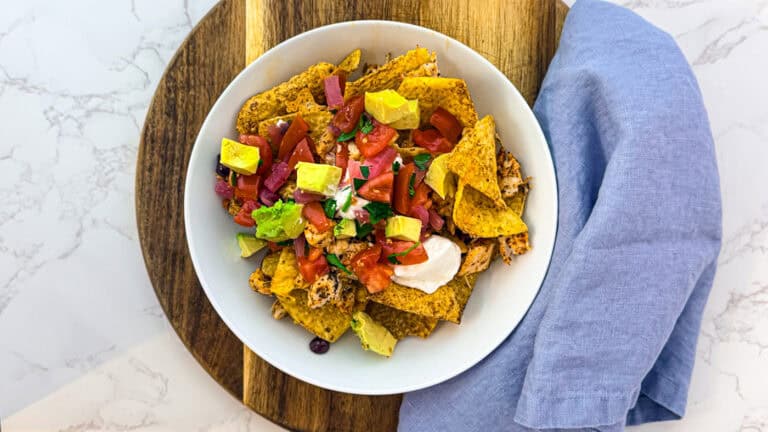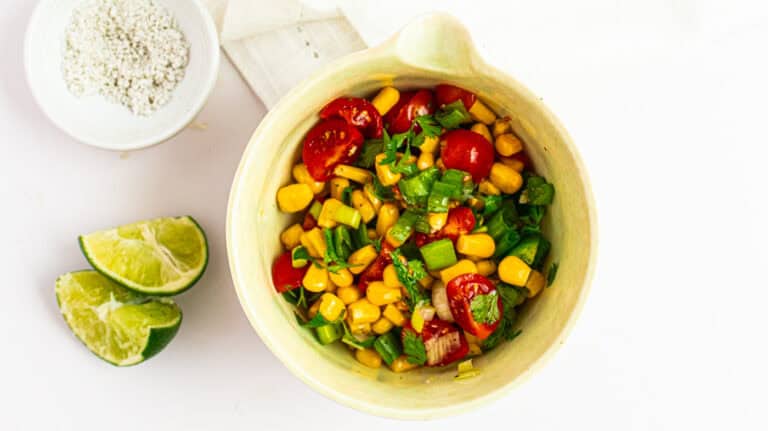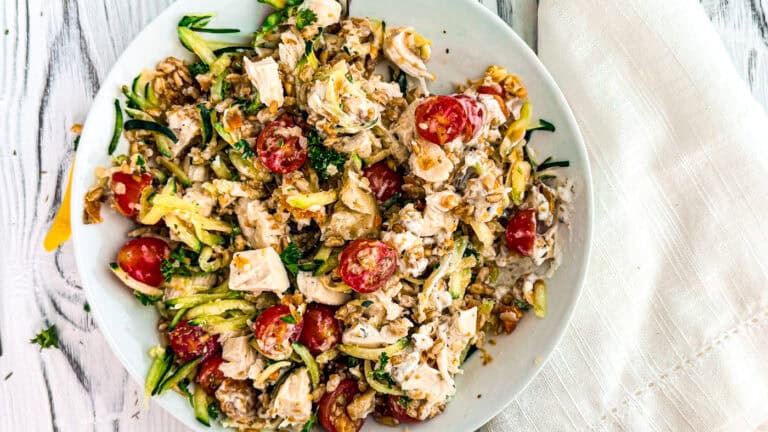
A few weeks into my GLP-1 journey, I landed in that strange in-between place. My appetite had finally taken a back seat, something I’d secretly hoped for, but I was also dragging myself through the day, tired in a way that didn’t make sense. It took me longer than I care to admit to realize the problem: sure, I was eating less, but I wasn’t giving my body what it actually needed. That’s when I knew I needed a better plan for fueling myself, which is exactly why I put together this Mediterranean Protein Guide for GLP-1 users.
Welcome to part three of my Mediterranean Refresh for GLP-1 Users Guide. If you haven’t already, check out part one: GLP-1 Pantry Essentials: A Mediterranean Kitchen Guide, and part two: The Mediterranean Diet for GLP-1 Nausea: How I Eat to Feel Better.
If you’re feeling overwhelmed by all the mixed messages about GLP-1 medications, you’re in the right place. I wrote this Mediterranean Protein Guide for GLP-1 Users to show you how I paired a Mediterranean way of eating with Zepbound and lost 54 pounds.
The best part? I actually started to feel stronger and more like myself. Over the next few weeks, we’ll break down the framework, the muscle-saving tricks, and the small habits that make this journey feel doable for the long haul.
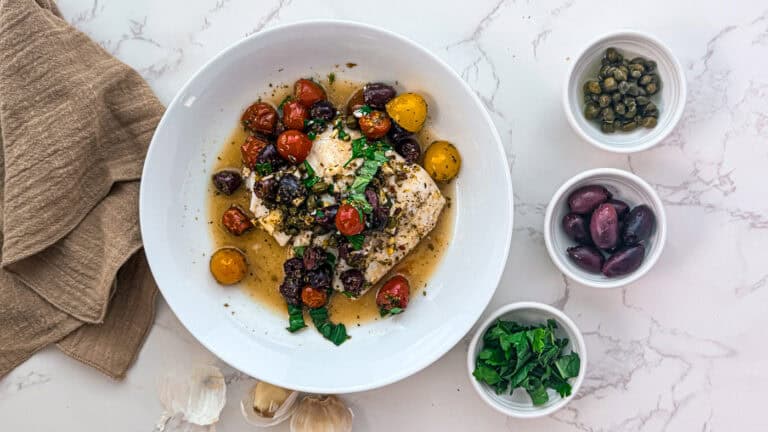
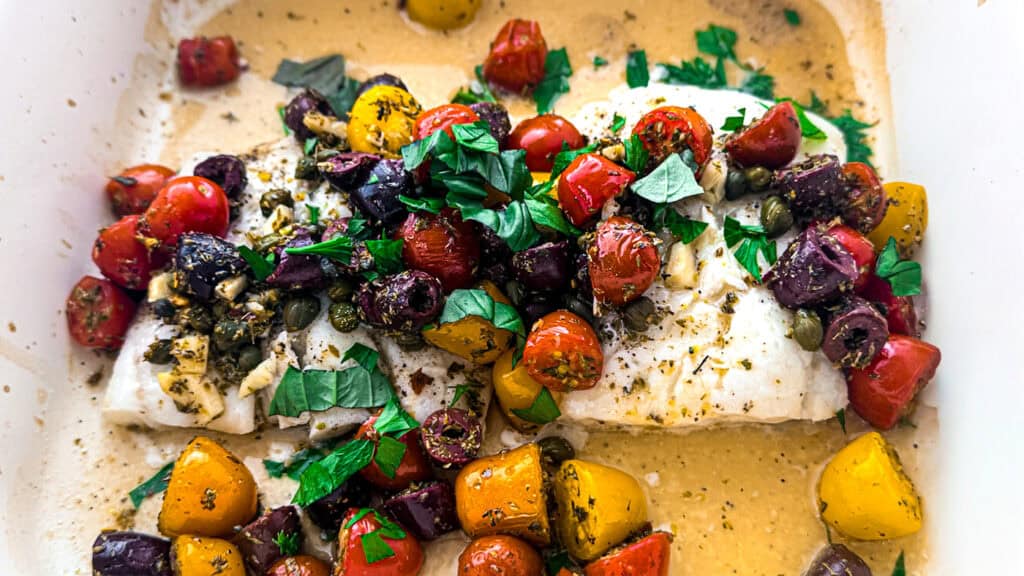
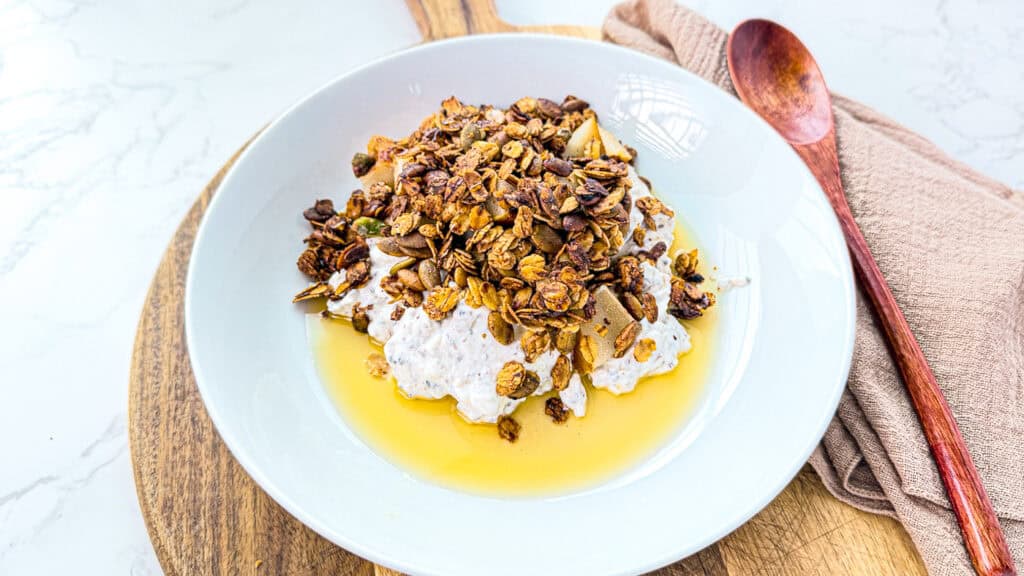
In this Mediterranean Protein Guide for GLP-1 Users, I’ll even show you what some of my favorite Mediterranean protein meals actually look like in real life, think lemon-herb grilled white fish with roasted veggies, or a Greek yogurt bowl stacked with nuts, berries, and a drizzle of honey. You’ll get practical, easy-to-make ideas you can try right away. I’m really glad you’re here with me.
Table of contents
Why Mediterranean Protein Matters on a GLP-1
What I didn’t realize at first is that when a GLP-1 finally turns down the volume on your appetite, it also makes it harder to notice what your body actually needs, especially protein. That’s why the next step is figuring out what protein really does for you, so you don’t end up running on fumes as I did.
Protein isn’t just a trendy word slapped on a yogurt label. If you don’t get enough, your body starts looking for energy in all the wrong places, like your muscles instead of your fat stores. That can mess with how you feel every day, slow your metabolism, and even make it harder to bounce back if you ever take a break from the medication.
The Mediterranean Diet Connection
What finally made things click for me was leaning into the Mediterranean way of eating. It’s all about lean proteins, gentle-on-the-stomach meals, and plenty of fiber, exactly what my body needed to hang onto muscle while using GLP-1s. Once I started reaching for Greek yogurt, white fish, eggs, beans, and a pile of veggies, I realized Mediterranean eating just fit. No complicated rules. Just food that actually made me feel good.
Why Your Muscles are the First Thing at Risk
GLP-1 medications slow down how quickly your stomach empties, quiet hunger signals in your brain, and help your body manage blood sugar more efficiently. Most people end up eating between 16 and 39 percent fewer calories than before, often without much conscious effort.
Eating fewer calories is what makes the weight come off, but it also sets up a problem your body can’t solve on its own. When you’re eating a lot less, your body still needs fuel, and ifyou’re not getting enough protein, it starts raiding your muscles for amino acids. Not exactly the kind of progress we’re hoping for.
Lean Mass, Muscle, and Bone
With GLP-1s, this muscle loss can happen even faster than with a regular low-calorie diet. Some research on semaglutide found that about 40% of the weight lost was actually lean mass—including muscle and bone. That’s a big deal. It’s why I put together this Mediterranean Protein Guide for GLP-1 Users: to help you pick proteins that keep your muscles, digestion, and energy steady while the scale moves.
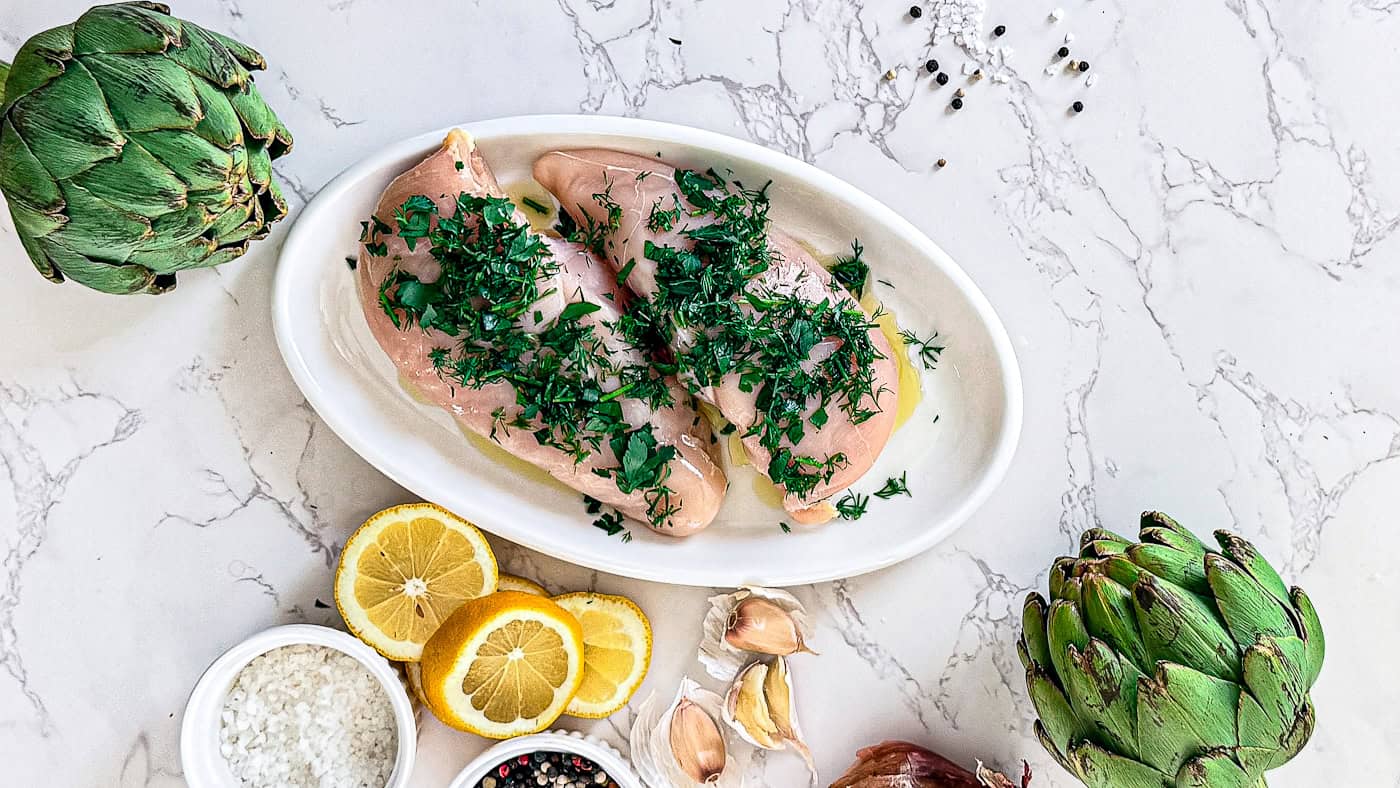
One of the reasons the Mediterranean diet works so well with GLP-1s is that it naturally leans into proteins your body can actually use, like fish, yogurt, eggs, beans, and lean chicken, without the heavy feeling that can make nausea or slow digestion even worse.
Your muscles affect your resting metabolism. They burn calories while you sit still, help keep your blood sugar steady, and keep you strong and capable. Lose too much muscle too quickly, and your metabolism slows down. That’s how you end up at the dreaded plateau a few months in, or facing weight regain when you stop the medication.
Fatigue
Looking back, all that tiredness in the early weeks finally made sense. My body was running on empty. The hair thinning, the weird changes in my skin, that feeling of being drained, those were all signs I wasn’t getting enough protein, while the weight was coming off fast. When your body runs low on amino acids, it quietly starts rationing. Hair, skin, and energy are usually the first things to get put on the back burner.
Once I started getting more protein, everything shifted. The weakness faded, my energy came back, and for the first time, I felt like losing weight was actually making me feel better.
How Much Mediterranean Protein You Actually Need
You might hear that 0.8 grams of protein per kilogram of body weight is enough, but if you’re losing weight on a GLP-1, that’s probably not going to cut it. Most obesity medicine specialists suggest aiming for 1.2 to 1.6 grams per kilogram, and if you’re doing any kind of strength training, you might need a bit more.
My doctor helped me figure out a number that actually worked for me. If you have any dietary restrictions or a health condition, such as kidney issues, be sure to talk to your doctor before making any big changes to your protein intake. Everyone’s needs can be a little different, and it’s always best to get guidance that’s personal to you.
Finding Your GLP-1 Protein Starting Point
Take your weight in pounds, divide by 2.2 to get kilograms, then multiply by 1.2 and 1.6. That gives you your daily protein range. Your doctor or dietitian can help you fine-tune what’s right for your body. Let’s say you weigh 160 pounds, which is about 73 kilograms. Your protein range would be 88 to 117 grams a day. (Your doctor or dietitian can help you fine-tune this, especially if you have a lot of weight to lose.)
Sometimes they’ll suggest using an adjusted weight instead of your current one, which honestly makes the goal feel way more doable. Adjusted weight is basically a middle ground between your current and target weight, so your protein goal supports your muscles without feeling impossible. It’s a little math, but it takes the pressure off. There are formulas for this, but the main thing is that your protein needs can be tailored to you and actually feel achievable.
How Much Protein to Eat Per Meal
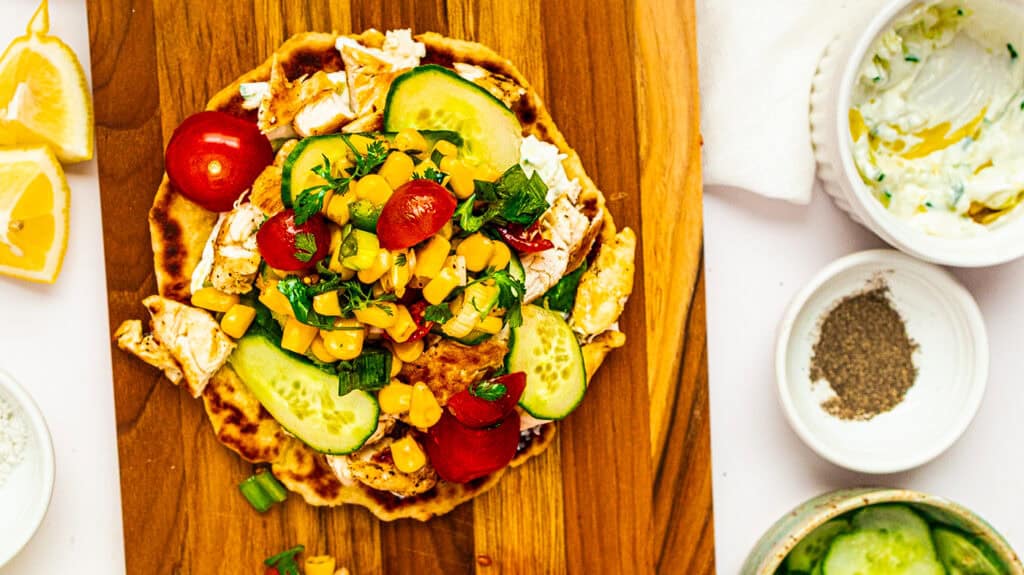
For me, I try to pick Mediterranean-style proteins that naturally fall within that 20- to 30-gram sweet spot. A cup of Greek yogurt with some nuts. A piece of grilled white fish with lemon and herbs. A couple of eggs with cottage cheese or smoked salmon on the side. You can mix it up with lentil soup, grilled chicken souvlaki, or a chickpea salad with olive oil and herbs. There’s plenty of variety, whether you want something warming and hearty or fresh and light.
If you don’t eat meat or fish, beans, lentils, and Greek yogurt can easily become the star of your plate. Trust me, you won’t feel like you’re missing out.
What to Eat and Why it Works
Because GLP-1s slow down digestion, the kind of protein you choose matters just as much as the amount. The Mediterranean diet naturally leans toward proteins that are easier on your stomach, like fish, yogurt, eggs, and beans, which is a big reason it works so well for people on GLP-1s.
GLP-1 Protein: What to Eat When
Protein: Eat your protein before anything else on your plate. GLP-1s make you feel full fast so it’s easy to miss your daily protein goals. This one little shift has helped me hit my protein target even on days when my appetite disappears before I’ve finished chewing. It’s a small change, but it works.
Frequent Meals: Try thinking in terms of smaller, more frequent meals. Big meals can feel impossible when your appetite is low. Four or five smaller, protein-focused meals give your body a steady supply of what it needs to keep your muscles happy. This is another reason I switched to the Mediterranean diet: mezze-style eating. Mezze is just a bunch of small, shareable dishes, appetizers, or a whole meal, perfect when you’re not up for a giant meal.
The Rough Days: On those rough days, especially after your weekly shot, when nausea and low appetite hit, liquid protein is your best friend. Mediterranean smoothies, bone broth, and yogurt are usually easier to get down and move through your stomach faster than solids when nothing sounds good.
One of my go-to recipes for those tough mornings is a Mediterranean-inspired smoothie: just blend one cup of plain Greek yogurt, half a frozen banana, a handful of baby spinach, a few ice cubes, and a squeeze of lemon. If you want, toss in a small spoonful of honey or a pinch of cinnamon for flavor.
On days when even that feels like too much, a simple homemade chicken-lemon broth is a lifesaver. I’ve sipped it in pajamas, standing at the stove, just trying to get through the morning.
Before Bed: Try to stop eating a couple of hours before bed. With slower digestion, food that hangs out in your stomach overnight has extra time to cause trouble. Trust me, the side effects aren’t fun. I aim to finish my last real meal two or three hours before I turn in.

One More Thing Before You Go
I’m right here on this road with you. From my own experience, I can tell you: the weeks I actually make protein a priority, I feel it, not just on the scale, but in how I move through my days.
My hope is that this Mediterranean Protein Guide for GLP-1 Users gives you a framework that feels supportive, doable, and genuinely nourishing as you protect your muscles on this journey.
Frequently Asked Questions
Here’s the truth: unless you get a body composition scan like a DEXA, you can’t know for sure if you’re losing muscle or just fat. But your body will usually drop some hints. If you’re suddenly feeling wiped out by things that used to be easy, or you notice that carrying groceries feels like a full-on workout, that’s your body’s way of waving a little flag. Those are the moments I pay attention to, because they can mean you’re losing more than just fat.
If this is something you’re worried about (and I’ve definitely been there), it’s worth asking your doctor about tracking your body composition over time instead of just watching the scale. I’ve learned the hard way that the number on the scale can look like progress, even when the muscle-to-fat ratio is quietly heading in the wrong direction.
You can absolutely make plant-based protein work on a GLP-1, but I’ll be honest, it takes a little more planning. The tricky part is that most plant proteins are missing one or two of the building blocks your muscles need to repair themselves. I’ve found that mixing things up,like pairing tofu with quinoa or lentils with rice, helps cover your bases and gives your body what it needs.
The other consideration, specifically for GLP-1, is digestibility. Whole beans and lentils, while nutritious, are high in fiber and complex carbohydrates that can cause significant bloating and gas when your digestion is already slowed. Tofu and tempeh tend to be much better tolerated and are good starting points for plant-based protein on these medications. Build up slowly and pay attention to how your body responds.
Protein and resistance training are like a tag team, you really want both. Protein gives your body the building blocks to keep and repair muscle, but resistance training is what tells your body, ‘Hey, we actually need this muscle, don’t let it go!’ Without that nudge, it’s tough to hang onto all your muscle during weight loss, even if you’re hitting your protein goals.
But let’s be real, not everyone is up for a gym routine, especially when you’re just starting a new medication and everything feels a bit off. If you can manage anything with light resistance, even a few bodyweight moves at home or some time with resistance bands, it truly helps. Start small. Two or three quick sessions a week can go a long way toward keeping the muscle you’re working so hard to protect.
Sulfur burps are one of those side effects that nobody warns you about, but once you’ve had them, you don’t forget. Protein can definitely play a part. Since GLP-1 meds slow down your digestion, food hangs out in your stomach way longer than usual. Proteins like red meat, eggs, and dairy, especially the ones with lots of sulfur, can start to ferment during that extra-long pit stop. That’s where the rotten egg smell comes from. Not exactly the souvenir you want from dinner.
Here’s what’s helped me: I skip big protein-heavy meals late at night. On GLP-1, anything that sits in your stomach while you sleep has extra time to stir up that sulfur storm. I also try to stay upright for at least half an hour after eating, it really does make a difference. And when things get rough, I stick to the easier proteins from the list above, like white fish and Greek yogurt, and give red meat and eggs a little break.
Protein helps, but it’s movement that really tells your body, ‘Hey, we need this muscle!’ Without some kind of resistance or weight-bearing activity, your body just doesn’t get the memo. The good news is, you don’t need a gym membership or a fancy routine. A daily walk and a couple of short sessions with resistance bands, bodyweight moves, or small weights each week is honestly enough to make a real difference.
medical disclaimer
Everything I share at The Lemon Hearth comes from my own experience and research, not from a medical degree. I’m a real person on a GLP-1 journey, not a healthcare provider. What worked for me may not be right for you, and your doctor is always the right first call before changing your diet, supplements, or health routine. I’m here to share the food and the journey. Your doctor is there for the rest.