It started a few days after my first injection. Suddenly, I was full all the time, like, ‘why did I even open the fridge?’ full. Nausea would sneak up on me and settle in for days, and my body had opinions about every single thing I tried to eat. Just when I thought I was getting the hang of it, I bumped up my dose and the whole rollercoaster started again. That’s when I realized I needed a new approach, and the Mediterranean diet became my lifeline for managing the Ozempic Gut.
If any of that sounds familiar, you’re definitely not alone. About one in four people on GLP-1 therapy end up in this awkward digestive limbo. What I wish someone had told me sooner: it’s actually manageable. And for most of us, it really does get easier as our bodies settle into their new rhythm.
What actually helps isn’t a magic supplement or a long list of rules. It’s a gentler, more forgiving way of eating, the kind that’s been happening in Mediterranean kitchens for generations. In this guide, I’ll walk you through what’s really going on in your body, and how a few Mediterranean habits helped me feel more like myself, one meal at a time.
Welcome to part four of my Mediterranean Refresh for GLP-1 Users Guide. If you haven’t already, check out part one: GLP-1 Pantry Essentials: A Mediterranean Kitchen Guide, part two: The Mediterranean Diet for GLP-1 Nausea: How I Eat to Feel Better, and part three: Mediterranean Protein Guide for GLP-1 Users.
Fourteen months in, I’ll be honest: those first few days after each shot are still the toughest part of my week. But now, they’re manageable in a way they just weren’t at the start. The difference? It wasn’t about willpower or discipline. It was about learning to eat for the body I have now, not the one I used to have.
What is Happening in Your Digestive System
Understanding what gastric emptying is and how it slows down can make it much easier to manage the Ozempic Gut with patience and a little strategy. Gastric emptying is the process by which your stomach moves food into your intestines, little by little, after you eat. On GLP-1 medications, this process happens more slowly than before. That slower pace is not a bug; it’s actually the point. When food stays in your stomach longer, you feel fuller for longer, your appetite quiets down, and weight loss becomes steadier. But it also means your digestive system is now on a whole new schedule, and getting used to it can take some adjustment.
Before medication, your stomach would bounce back from a meal in just a few hours. Now, that window stretches out. If you eat lunch before your breakfast has even finished its journey, you might end up feeling like you’re carrying around a brick. Cue the usual suspects: nausea, bloating, that stubborn fullness, and digestion that just drags. None of this means anything is wrong. Your body is just learning a new rhythm. What helped me most was eating in a way that matched that rhythm rather than fighting it every step of the way.
Managing the Ozempic Gut: Before I get into the full framework, I want to share what actually works for me, because sometimes real-life experience matters more than any list of tips.
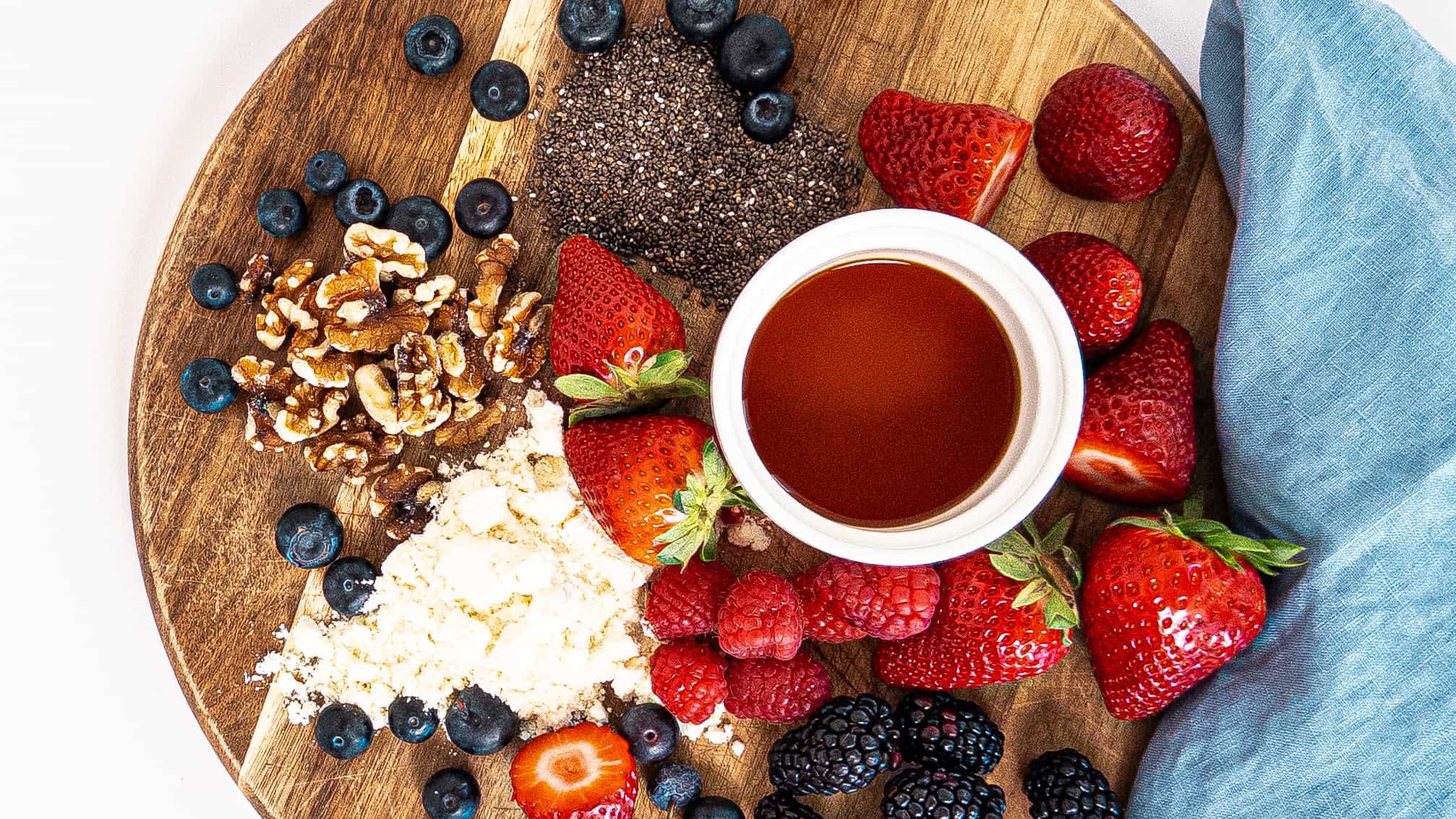
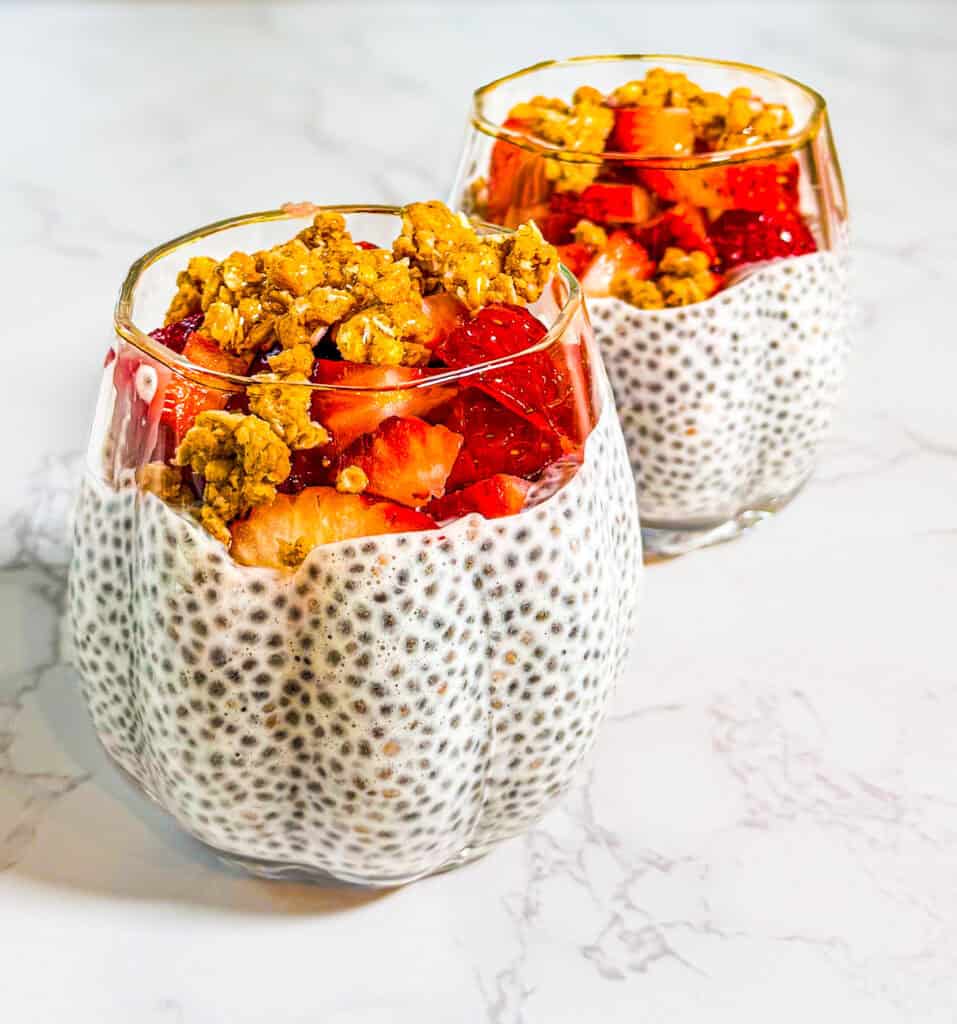
On the three to four days after my shot, when nausea is at its worst, I let go of the idea of eating meals entirely. Instead, I make something calorie-dense, high in healthy fats, and easy to eat in small amounts throughout the morning. My go-to is a chia pudding; I eat a few spoonfuls every two hours and sip water consistently throughout the day, usually around three liters.
If chia pudding is not appealing or you need some variety, there are a few other gentle snack ideas that work well on tough days: Greek yogurt with a drizzle of honey, a small handful of walnuts or almonds, mashed avocado on a simple rice cake, a soft-boiled egg, or peeled apple slices with a little almond butter. Plain cottage cheese, crackers with hummus, or a banana with toasted sesame seeds can also be soothing and easy to handle. Mix and match these as needed to find what feels best for you.
That one shift changed everything for me. For me, it meant small portions, calorie-dense foods, and plenty of healthy fats.
Mediterranean Diet Staples: When your digestion slows down, suddenly what you eat matters so much more. The good news? The Mediterranean diet is already full of foods that are gentle on your system. Simple, whole, and nourishing, without weighing you down. In those early weeks or after a dose bump, these are the foods that usually go down the easiest for me.
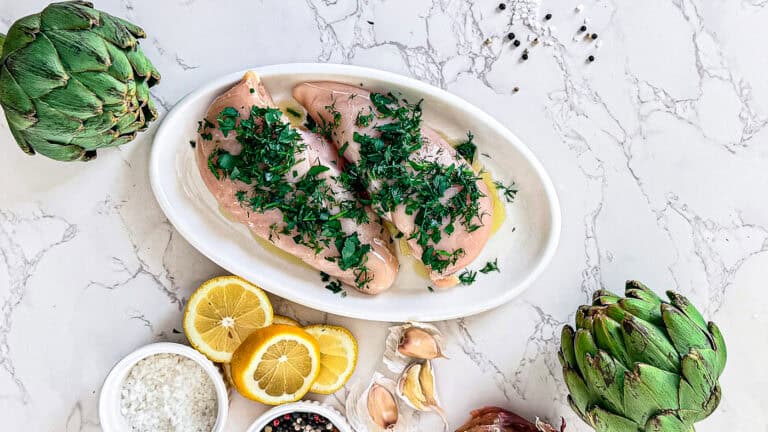
Heavier meats can hang around in your stomach longer than you’d like, especially when things are moving slowly. Lighter proteins are much kinder to your system: poached or baked chicken breast, white fish, eggs, and Greek yogurt.
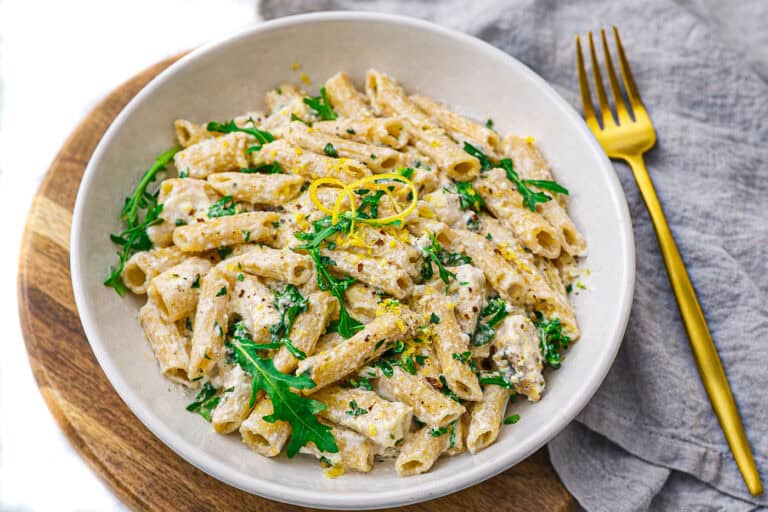
And plain carbs can be surprisingly comforting, no stress, just something gentle for your digestion. Think: plain brown or white rice, oats with barely anything on top, simple crackers, or barley.
Fiber to Manage the Ozempic Gut
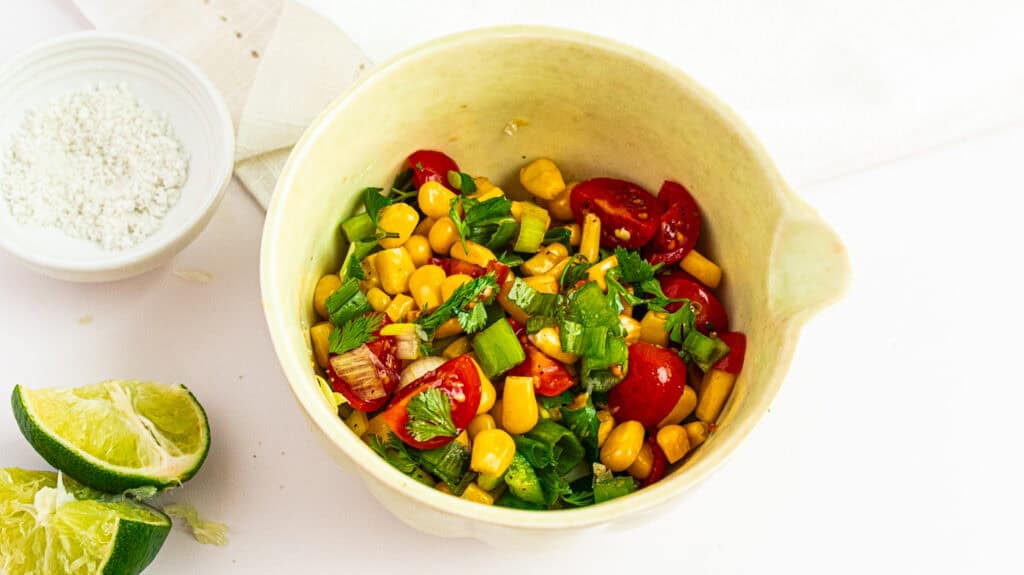
Fiber is your gut’s best friend, just not all at once. On GLP-1, adding too much too quickly can leave you feeling gassy, bloated, and just plain uncomfortable. The trick isn’t to avoid fiber. It’s about building it up slowly and giving your gut a chance to catch up.
I add chia seeds, hemp seeds, and flaxseed to my Greek yogurt every single day now. But I definitely didn’t start with all three at once. I eased them in over a few weeks, letting my gut get used to each one before adding the next.
Start with Soluble Fiber: It’s one of the most reliable ways I’ve found to manage the Ozempic Gut while keeping your gut happy. For me, soluble fiber was the gentlest place to start. It dissolves in water and forms a soft gel that moves through your system without any drama. Honestly, it’s the easiest place to begin.
Try plain oatmeal, barley, peeled apples, peaches, and soft-cooked carrots.
Chickpeas and Legumes Without the Bloat: I learned the hard way that I needed to go slow with legumes. Chickpeas and lentils are Mediterranean staples and great for fiber and plant protein, but if they leave you bloated, try starting with just two or three tablespoons instead of a full serving.
Choose hulled or red lentils over whole green varieties, and thoroughly rinse rice and canned chickpeas, then pair them with digestive herbs like mint, parsley, or cumin.
Bottom line: give your gut some time. Add fiber a little at a time, just a few grams every few days. Rushing it is just asking for trouble.
Hydrating to Manage the Ozempic Gut
GLP-1 medications can make your thirst signals go quiet. Even a little dehydration can worsen constipation and discomfort. You don’t need to chug a huge glass of water at every meal; in fact, that can just make you feel even fuller or more nauseated. What helped me was sipping water throughout the day, instead of gulping it all at once.
I drink about three liters of water a day. That works for me because I live in South Texas, where it’s basically summer most of the year. It sounds like a lot, but when I spread it out, it just feels normal. Your needs might be very different; hydration depends on your climate, how active you are, and individual factors like body size or medical conditions.
The best advice is to pay attention to your body’s signals, aim for consistent hydration, and talk to your healthcare provider if you’re unsure how much you should be drinking.
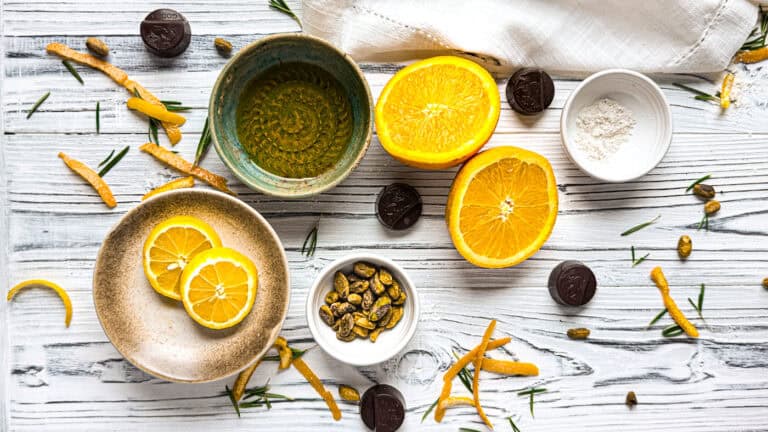
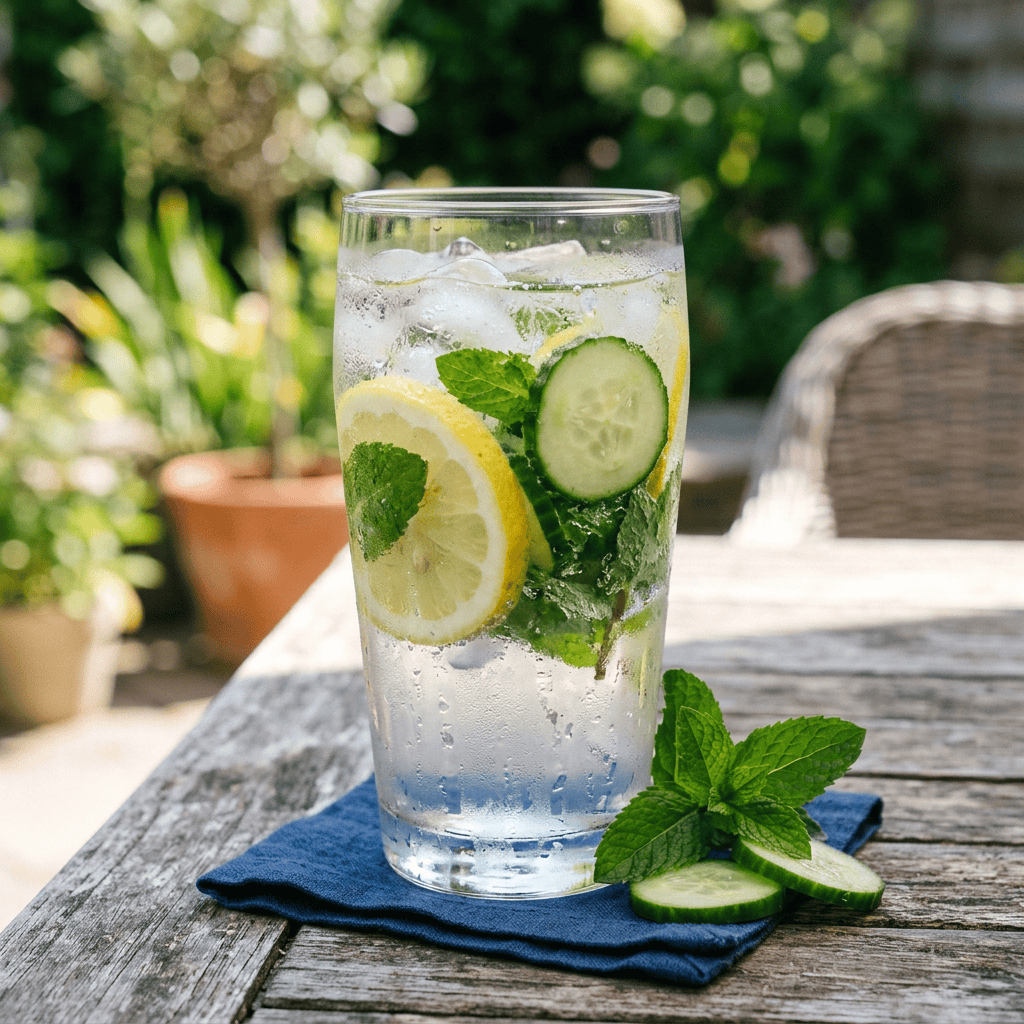
If plain water sounds unappealing on those queasy days, Mediterranean-inspired infusions can actually make hydration something to look forward to. Try lemon slices with mint, cucumber, and basil; orange peel with fresh ginger; or just warm water with a slice of lemon.
They’re gentle, they work, and they turn hydration into a small daily ritual you might actually enjoy.
Eat Habits that Help Manage Ozempic Gut
Mediterranean food culture has always understood something that modern eating habits tend to forget: meals are meant to be experienced, not rushed. Turns out, that old-school philosophy is actually a lifesaver when you’re on a GLP-1.
The 20-to-30 Minute Rule: Eating slowly gives your brain a chance to catch up with your stomach before you hit the wall. On a GLP-1, those signals are even more sensitive. If you eat too fast, you might not realize you’re full until it’s way too late, and then you’re stuck feeling uncomfortable. Aim for 20 to 30 minutes per meal. Put your fork down between bites. Try to eat at a table, not hunched over your laptop (I’ve been there, too).
Smaller, More Frequent Meals for GLP-1 Ease: Many people (myself included) feel better on GLP-1 when they swap big meals for four or five smaller ones. It keeps meals from stacking up and causing trouble. You don’t have to get fancy with mini-meals; a small bowl of yogurt with fruit, a handful of walnuts, an apple, or a few crackers with hummus is simple, satisfying, and easy.
The Satiety Stop Sign: One of the most helpful things I learned was to stop eating as soon as I felt full. That last bite you used to take without thinking? Now it can stick with you for hours. Learning to spot your new fullness cues and actually listening to them is one of the best ways to keep yourself comfortable.
On GLP-1s, fullness often feels different than before. It may show up as a gentle pressure in your upper stomach, a sudden drop in appetite, slight queasiness, or just a sense that you “aren’t interested” in another bite. Sometimes, the feeling comes on quickly, long before your plate is empty. If your body gives you even a hint that you’re getting full, like losing interest in food, feeling subtly uncomfortable, or even a little burpy, that’s your cue to pause or stop eating. With time, tuning in to these signals helps you avoid that lingering, heavy feeling and makes meals much more comfortable.
Natural Foods That Support Comfort on GLP
Before you reach for medication, take a peek in the Mediterranean pantry. Ginger and peppermint are both classic remedies that can help you manage the Ozempic Gut with gentle, everyday support.
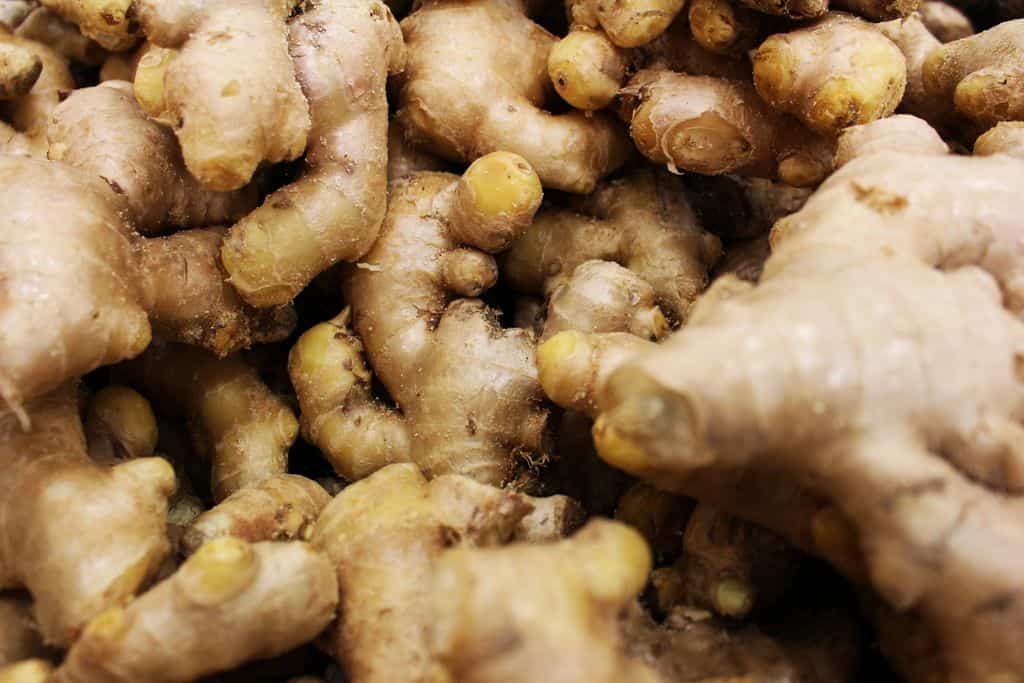
Ginger for Nausea and Slow Digestion: Ginger has been part of Mediterranean food traditions for centuries. I find it soothing on rough days, and I know plenty of others on GLP-1s who say the same. Try ginger tea, ginger chews or lozenges, fresh ginger grated into warm water with lemon, or a simple lemon ginger broth.
Peppermint for Bloating and Cramping: I reach for peppermint when I feel bloated or uncomfortable, and I know many people on GLP-1s who do the same. Try peppermint tea after meals, fresh mint leaves in your water, or even mint salads. These remedies are gentle enough to use every day and fit right in with Mediterranean eating.
Foods to Avoid to Help You Manage the Ozempic Gut
You don’t need a laundry list of rules. But there are a few foods that almost always make GLP-1 digestive symptoms worse, especially in those first weeks after a dose increase.ncrease.
Ultra-Processed Foods: Highly processed foods can ramp up inflammation, mess with your fullness signals, and make slow digestion even more uncomfortable. They’re also designed to override your fullness cues. Skipping them helps with both comfort and your long-term goals.
Greasy or Fried Foods: Fat slows things down even more. When you mix greasy foods with a GLP-1, you can end up with a round of discomfort or nausea, even from foods you used to handle just fine. Artificial Sweeteners: Sweeteners such as sorbitol and xylitol are known to cause bloating and gas. Check the labels on low-calorie snacks and protein bars; they sneak in everywhere.
Better Days Are Coming
If you’re in the thick of it right now, here’s what I want you to remember.
Your body isn’t broken. It’s adapting. And the habits you’re building right now, eating gently, hydrating steadily, slowing down at the table, aren’t just coping strategies. They’re the foundation of a whole new relationship. Setbacks are a normal part of this process, and you might have days that feel tougher than others, but even small wins are worth celebrating. Every comfortable meal or easier morning is proof that progress really is possible. The Mediterranean way was never about restriction. It’s always been about rhythm, pleasure, and care.
Frequently Asked Questions
It’s the digestive changes some people experience on GLP-1s. It includes early fullness, nausea, bloating, and slower digestion. All are connected to the medication’s effect on gastric emptying, the rate at which food moves through your stomach.
Slowing gastric emptying is one of the intended effects of the therapy. It helps reduce appetite and supports weight loss. The discomfort comes when meals are eaten too closely together, and the system gets backed up.
Poached chicken, white fish, eggs, plain oats, or brown rice. Chilled Greek Yogurt and room-temperature salads.
Slowly. Add just a few grams every few days and give your gut microbiome time to adjust. Start with soluble fiber sources like oats, barley, and soft-cooked vegetables before moving to higher-fiber legumes. If lentils or chickpeas cause issues, start with smaller portions and hulled varieties.
GLP-1 medications can reduce your thirst signals, making it easy to under-hydrate without realizing it. Dehydration directly worsens constipation and digestive discomfort. Sipping water consistently throughout the day, rather than in large amounts at once, is the most effective approach.
For most people, yes. Shifting to four or five smaller meals rather than two or three larger ones prevents the stacking effect that causes discomfort. Slowing down while eating also gives your body time to register fullness before you overshoot it.
Ginger and peppermint are both well-supported by research and are natural fits within Mediterranean eating. Ginger tea, ginger chews, peppermint tea, and fresh mint in water are all gentle, effective, and easy to incorporate into daily routines.
The three categories that consistently worsen symptoms are ultra-processed foods, greasy or fried foods, and products with artificial sweeteners. Reducing these during the first weeks and after dose increases makes a noticeable difference for most people.