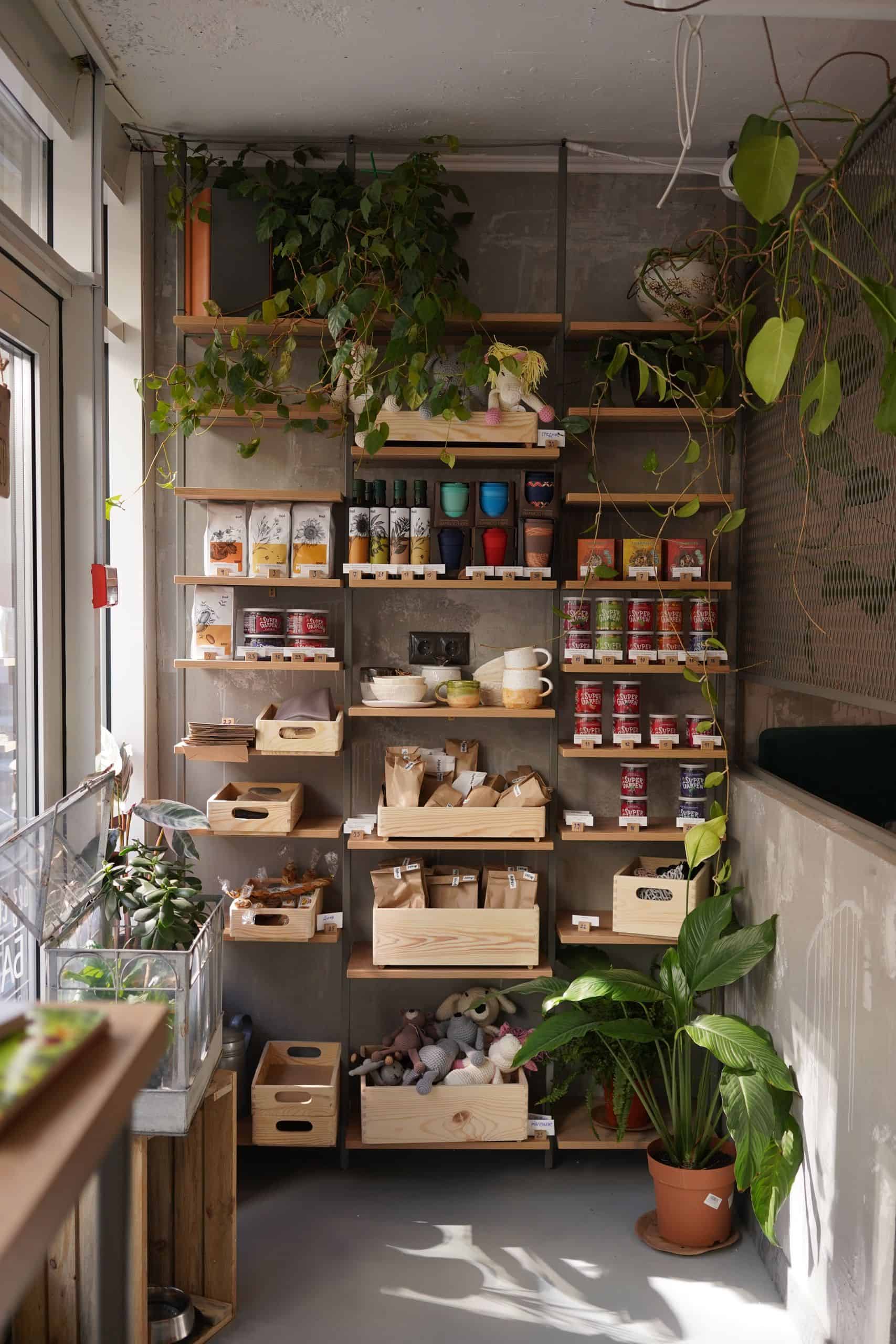
One Saturday, I pulled everything out of my pantry, fridge, and freezer; every last can and mystery container. Then I restocked with Mediterranean staples that actually made life easier. If you’re on a GLP-1 medication, you already know your relationship with food gets a little weird. A Mediterranean pantry is my secret weapon for fast, no-fuss protein, no culinary heroics required. Having the right GLP-1 pantry essentials on hand is honestly the difference between feeling nourished and feeling totally lost.
And I was overwhelmed. You took your shot. Two days later, you feel worn out and a bit queasy. You are in your kitchen, staring at the refrigerator as if it needs to explain itself. Nothing sounds good. Nothing is easy. And somehow, ordering a burger and fries feels like the path of least resistance, even though that is the last thing you actually want.
That was me, more times than I care to admit, in those early months on GLP-1.
What changed everything wasn’t a fancy meal plan or a shiny new recipe. It was that one Saturday afternoon, while I was reorganizing my pantry, fridge, and freezer. After that, I only order out when I actually want to, not just because I’m too tired to figure out dinner.
Welcome to part one of my Mediterranean Refresh for GLP-1 Users Guide. When you’re finished with this, check out part two: The Mediterranean Diet for GLP-1 Nausea: How I Eat to Feel Better.
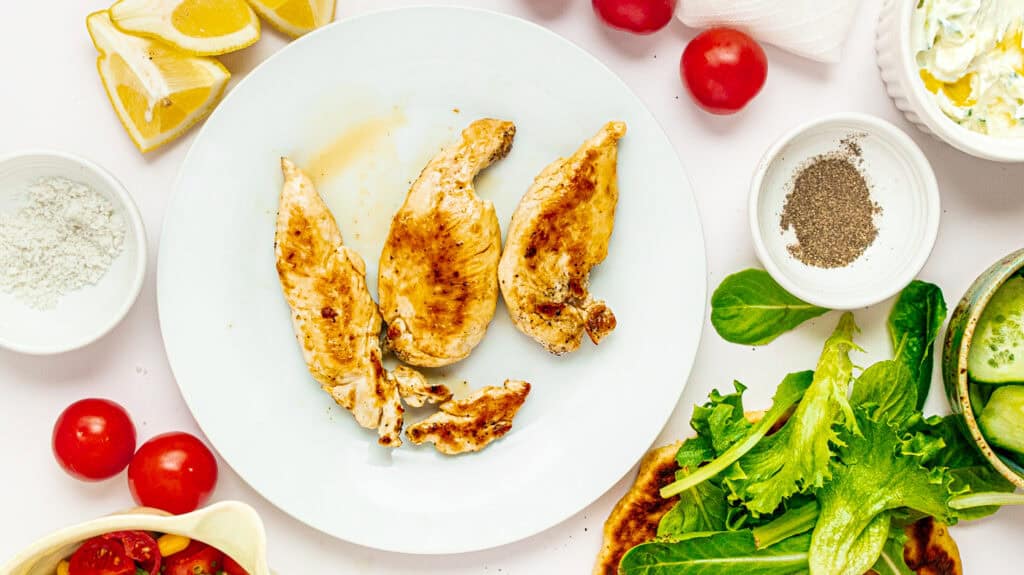
Table of Contents
What Your Kitchen Actually Needs to Do for You
GLP-1 medications can make your appetite a bit of a wild card. Some days, you’ll feel like your old self. Other days, especially right after your shot, eating feels like a negotiation with yourself, one slow bite at a time. Your kitchen has to meet you where you actually are, not where you wish you were.
That means stocking it for the days when you’re running on fumes, not just for the meals you used to make when you had more energy. The goal is simple: get as much nutrition as you can in the smallest, easiest package possible. Here’s how I built mine, one shelf, one small win at a time.
Why Protein-Rich GLP-1 Pantry Essentials Matter
This is the part nobody really tells you before you start, and it’s worth knowing up front.
GLP-1 medications work by reducing your appetite, slowing the rate of stomach emptying, and helping your body regulate blood sugar more effectively. For weight loss, that reduced appetite is the point. But here is the catch: when you eat significantly less, you are not just eating fewer calories. You are also getting less protein.
Your body needs protein to keep your muscles. If you’re not getting enough, your body starts borrowing energy from your muscles instead. That’s muscle loss, and I hear about it all the time from people starting GLP-1s. The good news? It’s actually one of the easiest things to prevent.
If you’d like more of a deep-dive into protein, check out my Mediterranean Protein Guide for GLP-1 Users.
GLP-1 Research
Research suggests that people on GLP-1 medications who do not prioritize protein alongside calorie reduction can lose significant lean muscle mass as well as body fat. One analysis found that muscle loss can account for 25-39% of total weight loss in people who are not actively managing their protein intake.
But those numbers get a lot better when you start eating with intention.
The best part? You don’t have to eat a mountain of food to hit your protein goals. It’s all about protein density, packing as much protein as you can into a small, gentle serving. That’s exactly what a Mediterranean-style pantry does best. Some experts suggest aiming for 0.7 to 1 gram of protein per pound of your goal body weight each day. Your number might look different, especially if you’re working with a doctor or dietitian. But honestly, just moving toward more protein and less volume makes a real difference.
The pantry essentials below are organized with that goal in mind.
Building Your High-Protein Pantry
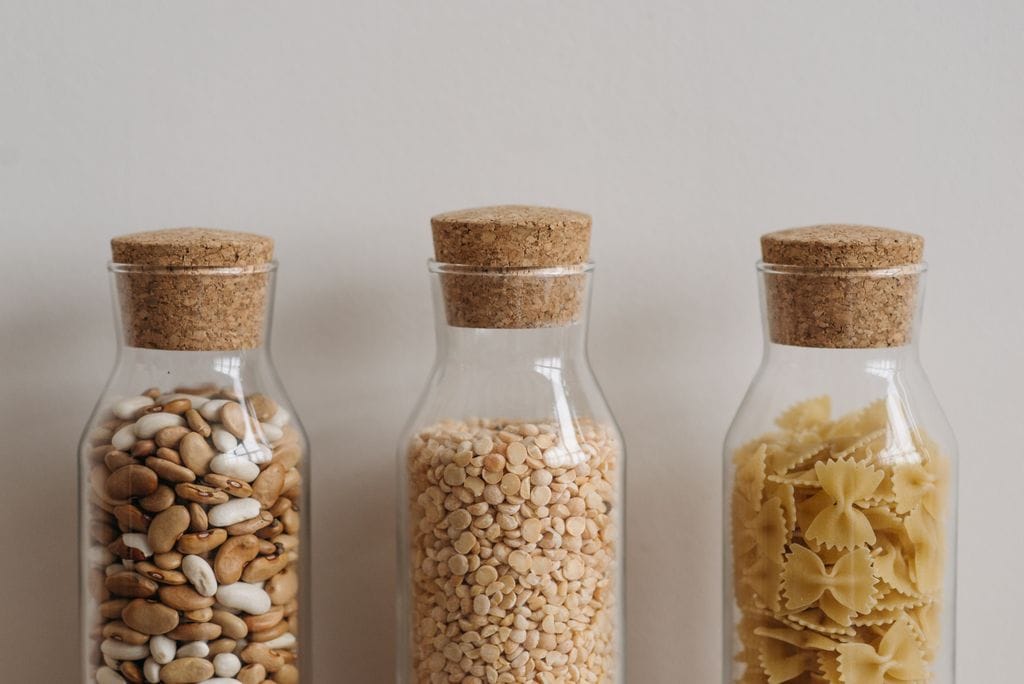
A Mediterranean pantry focused on GLP-1 Pantry Essentials is basically a shortcut to fast, no-fuss protein. No extra effort required. Staples like lentils and quinoa earn their spot because they bring protein and versatility with almost no prep. These plant-based options make it easy for vegetarians and vegans to hit their protein goals, and most of these staples work for anyone looking for more plant-forward meals.
Shelf-Stable GLP-1 Kitchen Staples
Legumes and pulses: Canned chickpeas, lentils, and cannellini beans are shelf-stable, versatile, and surprisingly filling in small amounts. Rinse and toss into almost anything. A half-cup of cooked lentils delivers around 9 grams of protein.
Whole grains that work harder: Quinoa and farro deliver more protein per serving than white rice and are gentler on blood sugar. Cook a batch at the start of the week, and they’ll be ready to go whenever you need them. Quinoa offers about 8 grams of protein per cooked cup.
Canned seafood: Wild-caught tuna and sardines are some of the most underrated pantry items you can own. High-quality protein, omega-3 fatty acids, and zero prep time. A single can of tuna can deliver 20 to 25 grams of protein.
Nuts and seeds: Almonds, walnuts, and chia seeds are your best friends on low-hunger days. A handful stirred into yogurt or eaten on its own delivers healthy fats and keeps you satisfied without adding volume.
How to Choose GLP-1 Friendly Packaged Foods
When you’re eating less overall, every bite counts more than it used to. That means getting a little savvier about what’s actually in your food. You don’t need a nutrition degree for this. You just need to know which three numbers to check.
Protein per serving: This is your first filter. For things like canned fish, Greek yogurt, and beans, aim for at least 10 grams of protein per serving. If it’s less, it’s not the end of the world, but maybe don’t make it your main event on low-hunger days.
Sodium: Canned goods are super convenient, but they can be sodium bombs. Look for low-sodium or no-salt-added products, especially for beans and fish. And if you forget, just give your beans a rinse; easy fix.
Added sugars: This one sneaks in where you least expect it, flavored yogurts, packaged grains, and even canned tomatoes. On a GLP-1, you’re trying to keep your blood sugar steady, and added sugars don’t help. Check the ingredients and go for plain, unflavored versions when you can. You can always add your own flavor with olive oil, lemon, herbs, or spices.
One last thing: serving sizes are sneaky. A yogurt that looks like a single serving might actually be two. A can of sardines might claim it’s three. Always check the serving size first, then do the quick math for protein and sodium.
GLP-1 Pantry Essentials for the Fridge
This is where things really start to feel easier. On days when your appetite is missing in action, you need foods that are easy to grab, easy to eat, and gentle on your stomach, no extra thinking required.
Plain Greek yogurt: It works as a high-protein breakfast base, like for my Whipped Protein Yogurt Bowl, a savory dip, a sauce, or a quick snack. Full-fat or 2% will keep you fuller longer in a smaller serving. A single cup delivers around 17 to 20 grams of protein.
Eggs: Hard-boil a batch every Sunday. They ask nothing of you and deliver everything you need for a quick, complete protein snack. Two eggs give you 12 grams of protein in about 150 calories.
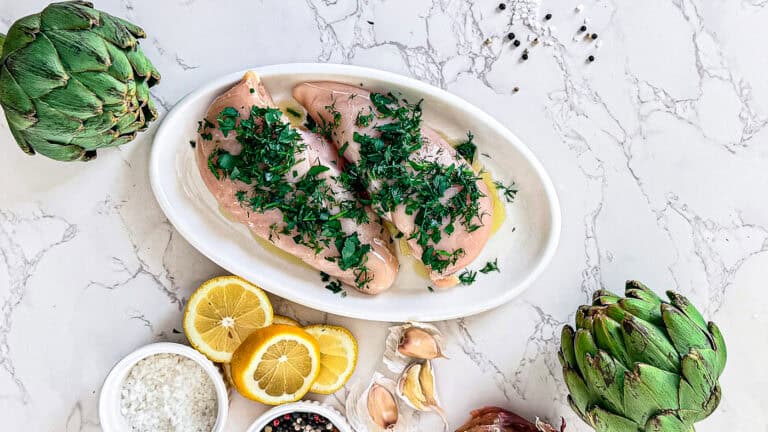
Pre-cooked lean proteins: Rotisserie chicken, pre-sliced turkey breast, or my lemon herb chicken are the shortcuts that make a real meal possible when you’re running on empty. Pull some chicken apart over farro, toss on a handful of greens, drizzle with olive oil, and call it dinner. No medals for effort required.
Fermented foods: Kimchi or sauerkraut in small amounts can support gut health during treatment. Your microbiome responds to GLP-1 medications, too. A spoonful alongside a meal is enough.
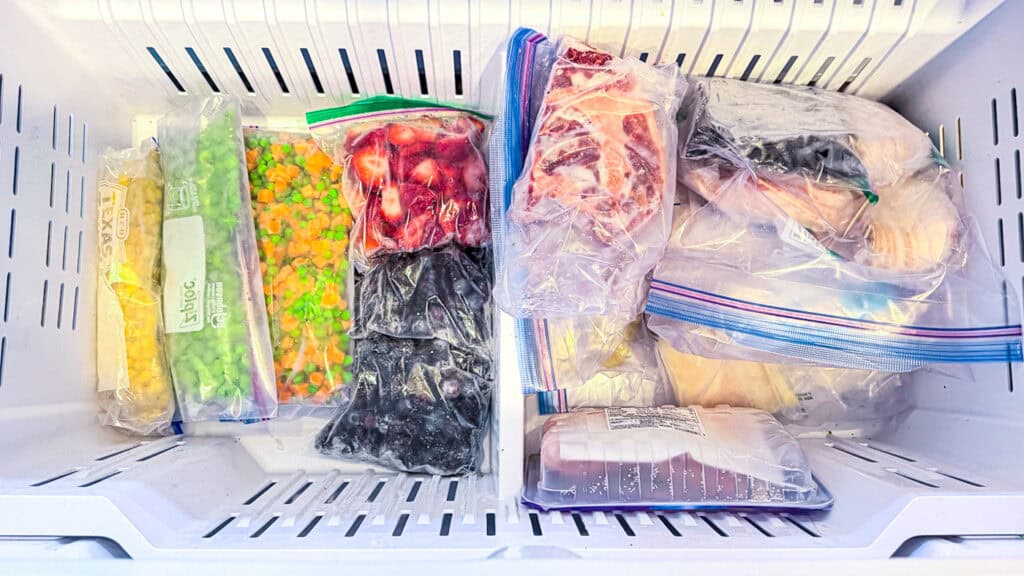
GLP-1 Pantry Essentials for the Freezer
Some days, you’ll open the fridge, and absolutely nothing will appeal. That’s when the freezer comes to the rescue. Frozen edamame and berries are my secret weapons for those rough days.
Frozen berries: Perfect for a fiber-rich smoothie that takes 3 minutes to make and delivers real nutrition without much work on your stomach.
Shelled edamame: Steam a cup in minutes. High protein, easy to eat in small amounts, and satisfying enough to count as a snack or a light side. One cup delivers about 17 grams of protein.
Mediterranean veggie blends: Frozen spinach, artichokes, and roasted peppers are always ready for action. Toss them into an omelet, a grain bowl, or a quick sauté. No chopping, no waste, no excuses.
What to Eat When You’re Not Hungry
This is the question I get asked most often, and it deserves a real answer.
In my first weeks on a GLP-1, those first couple of days after my shot were rough. I wasn’t hungry, I was tired, and a little queasy. The idea of eating a full plate of food felt impossible. What helped most was letting go of the idea that I needed to eat a real meal on those days.
Instead, I leaned on gentle eating strategies: sipping on a cup of mild broth, nibbling very small bites, or even starting with a couple of saltine crackers just to get something down. Tiny portions, taken slowly, reassured me and eased the queasiness until my appetite returned.
Instead of forcing myself to eat a proper lunch or dinner, I started building what I call ‘calorie-dense small bites.’ These were little things I could nibble on throughout the day, no big plates, no pressure.
Meal Ideas Using Your GLP-1 Pantry Essentials
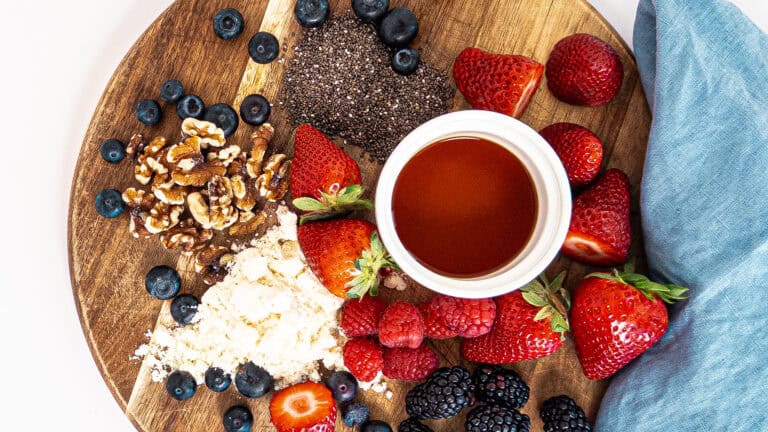
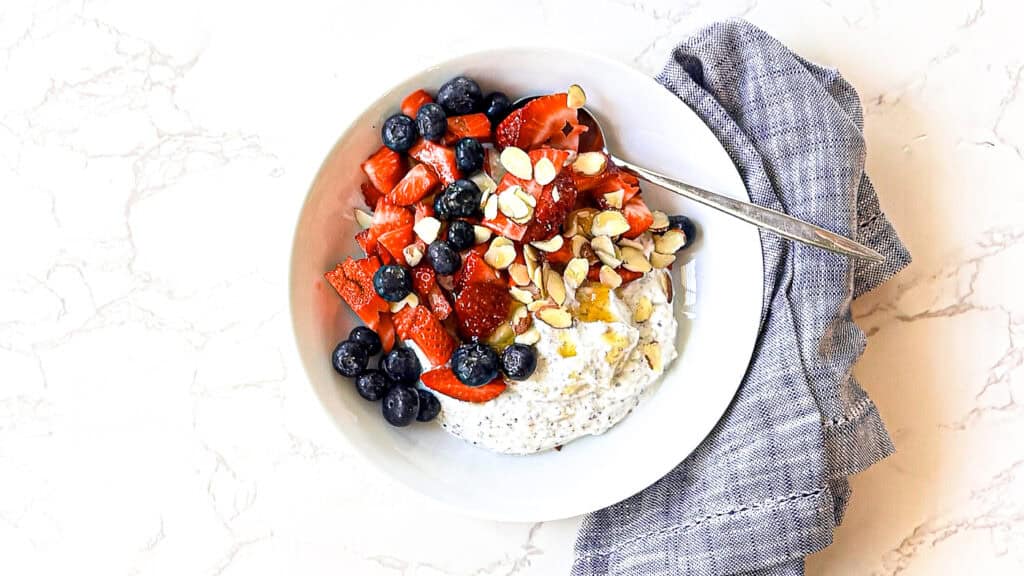
Morning: A small bowl of full-fat Greek yogurt with a tablespoon of chia seeds and a handful of thawed overnight frozen berries. No cooking. Takes about two minutes. This delivers roughly 20 grams of protein, along with enough healthy fat and fiber to carry you for a few hours.
Mid-morning: One hard-boiled egg with a few almonds. That’s it. If even that feels like too much, just go for the egg. The point isn’t a full snack, it’s just keeping your protein moving without overwhelming your stomach.
Afternoon: A small bowl of farro with some pulled rotisserie chicken, a spoonful of kimchi, and a drizzle of olive oil. If the farro’s already cooked, this takes maybe four minutes. You’ll get 25-30 grams of protein, depending on how generous you are with the chicken.
Evening: Steamed edamame with a little sea salt. Or a small piece of canned wild salmon over some greens with lemon and olive oil. Light, simple, and easy on your stomach.
You’ll notice this isn’t a meal plan. No exact portions, no calorie counts, no rigid schedule. That’s on purpose. On low-hunger days, what works is gentle and flexible. Eat when you can. Prioritize protein. Keep it small. Give yourself a break.
Common Pantry Mistakes on a GLP-1
Let me be honest: when I first started my GLP-1 journey, I filled my kitchen with things I thought were healthy. Some of them were. A lot of them, though, just didn’t work with my medication, and I learned that the hard way.
Protein bars as a primary protein source: Most protein bars are basically candy bars in disguise, with protein isolate, sugar alcohols, and a bunch of stuff to make them taste like dessert. They’re convenient, sure, but a lot of people on GLP-1s find that the sweeteners and sugar alcohols just make them feel worse, especially right after a shot. Whole food proteins like Greek yogurt, eggs, and canned fish are much gentler and actually give your body what it needs.
Low-fat diet foods: Fat isn’t the enemy here. In fact, healthy fats from olive oil, nuts, avocado, and full-fat dairy help keep you satisfied when your appetite is already low. Low-fat yogurts and cheeses usually just replace fat with sugar. Full-fat, in small amounts, actually works better for this way of eating.
High-volume, low-density foods: Raw salads, big bowls of veggies, and endless soup might feel virtuous, but they don’t give you much protein or staying power for the space they take up. When your appetite window is tiny, filling it with low-density food leaves you short on what you actually need. Veggies are still great, just pair them with a protein anchor every time.
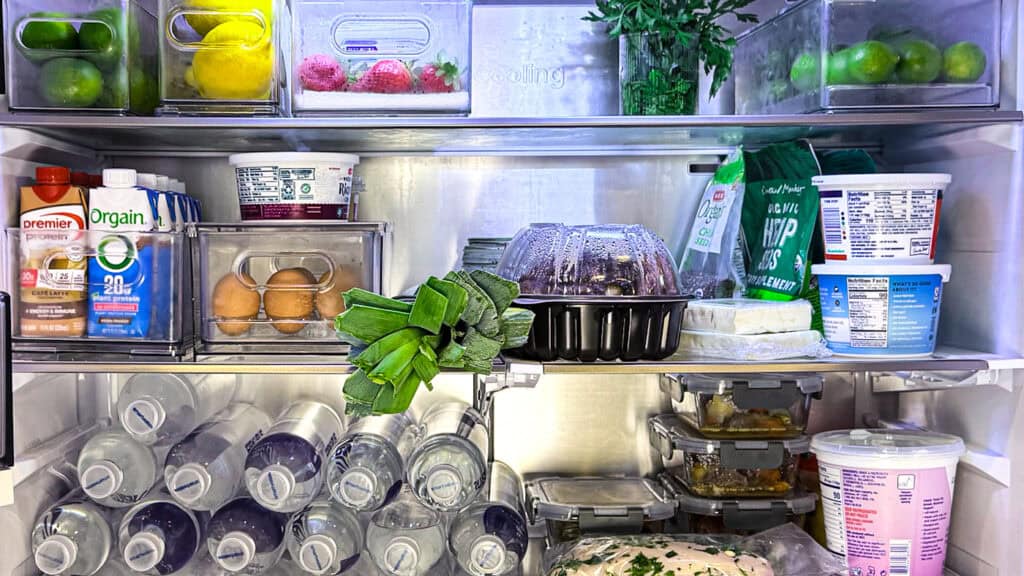
Organization is half the work. You can have every single thing on this list and still end up staring at your fridge, overwhelmed, if it’s not organized in a way that works for you. Try grouping proteins together in one spot and keeping quick snacks like nuts and hard-boiled eggs visible on the front shelf or in a clear container. Even just moving your go-to foods to eye level makes it easier to grab what you need when energy is low.
Put your hard-boiled eggs right at eye level. Keep your nuts and seeds in a clear jar on the counter. Move your Greek yogurt to the front shelf. Make the healthy, easy choice the one you see first. When your staples are visible and easy to grab, building a small, nourishing meal becomes almost automatic. That’s the kind of healthy eating that actually sticks.
Frequently Asked Questions
A GLP‑1 pantry is a curated set of high‑protein, Mediterranean‑style staples that make eating easier on low‑hunger days.
GLP-1 medications reduce appetite, which often means you naturally eat less protein. Prioritizing protein helps maintain lean muscle and supports steady energy.
Top staples include canned tuna, chickpeas, lentils, quinoa, farro, nuts, seeds, Greek yogurt, eggs, rotisserie chicken, and frozen edamame.
Check three numbers: protein, sodium, and added sugars. Aim for at least 10g protein per serving, choose low‑sodium options, and avoid added sugars that can spike blood sugar